
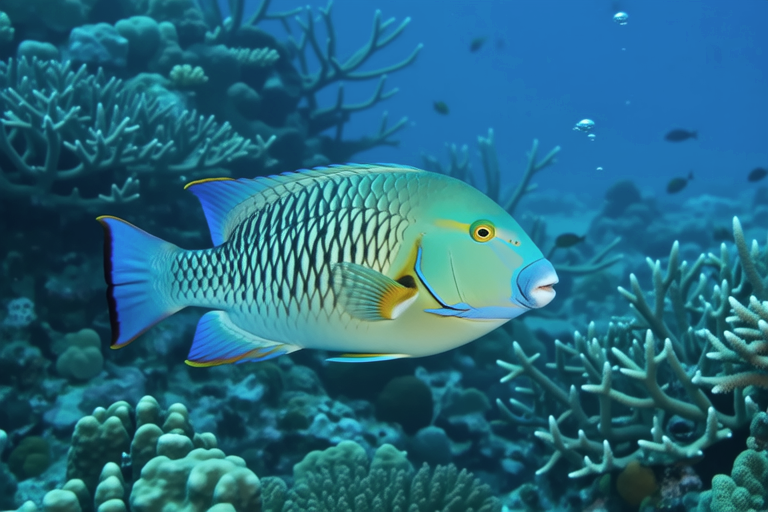
From Sea to Table: The Surprising Facts About Parrot Fish You Need to Know
The ocean is a vast and intricate ecosystem, teeming with life that plays crucial roles in maintaining its balance. Among the diverse array of marine creatures, parrot fish stand out not only for their vibrant colors and unique behaviors but also for their significant ecological and culinary contributions. These fish, known for their striking hues and parrot-like beaks, are vital to coral reef health and are increasingly popular in gourmet kitchens. This article delves into the fascinating world of parrot fish, exploring their ecological importance, dietary habits, fishing methods, and their place on our dining tables.
The Ecological Role of Parrot Fish
Parrot fish are integral to coral reef ecosystems, acting as nature’s gardeners. Their diet primarily consists of algae, which they scrape off coral surfaces using their strong beaks. By consuming algae, these fish prevent it from overgrowing and smothering corals, thus ensuring the health and vitality of the reef. Additionally, their digestive processes help recycle nutrients within the ecosystem, contributing to the growth of new coral polyps. Their waste products enrich the seabed, supporting the growth of seagrass beds and other marine plants that serve as nurseries for many species.
Dietary Habits: A Feast for the Reef
The diet of parrot fish is both simple and complex. While their primary food source is algae, they also consume small invertebrates, detritus, and even coral polyps. Their feeding behavior involves biting off pieces of coral, ingesting the algae, and excreting fine sand. This process is so efficient that it is estimated that one parrot fish can produce up to 90 kilograms of sand annually. This sand is crucial for maintaining beaches and islands, contributing to coastal protection against erosion. The variety in their diet ensures they play multiple roles in maintaining the reef’s biodiversity.
Fishing Methods: Sourcing the Sea’s Delicacy
Parrot fish are caught using various traditional and modern fishing techniques. Traditional methods include handlining, spearing, and the use of nets. In some regions, fishermen employ traps made from natural materials, which are effective in capturing parrot fish without causing excessive bycatch. Modern techniques such as trawling and longlining have raised concerns about sustainability due to their potential to deplete fish populations and damage the reef environment. Sustainable fishing practices focus on selective methods that minimize environmental impact while ensuring a steady supply of fish for consumption.
Nutritional Value and Taste Profile
When it comes to nutrition, parrot fish are a lean source of protein, rich in omega-3 fatty acids, vitamins, and minerals essential for human health. They are low in mercury compared to larger predatory fish, making them a safer choice for regular consumption. The taste of parrot fish is often described as mild and sweet, with a firm texture that lends itself well to a variety of cooking methods. Whether grilled, fried, or baked, parrot fish can be a delightful addition to any meal, offering a fresh and flavorful experience.
Sustainable Fishing Practices and Overfishing Concerns
The increasing demand for parrot fish has led to concerns about overfishing, which threatens both the marine ecosystem and the future availability of this delicacy. Overfishing can lead to a decline in parrot fish populations, disrupting the balance of coral reefs and affecting the entire marine food web. To address these issues, sustainable fishing practices are being promoted. These practices include setting catch limits, using selective fishing gear, and establishing marine protected areas where fishing is restricted. Educating consumers about the importance of choosing sustainably sourced seafood can also drive positive change in the industry.
In conclusion, parrot fish are not just colorful inhabitants of the coral reefs; they are key players in maintaining the health and biodiversity of these vital ecosystems. Their role in shaping the marine landscape and providing nutritious food for humans underscores the need for responsible stewardship of our oceans. By supporting sustainable fishing practices and making informed choices at the grocery store, we can help ensure that future generations will continue to enjoy the benefits of these remarkable fish.