
How Parrot Fish Are Transforming Coral Reefs Around the Globe
Introduction
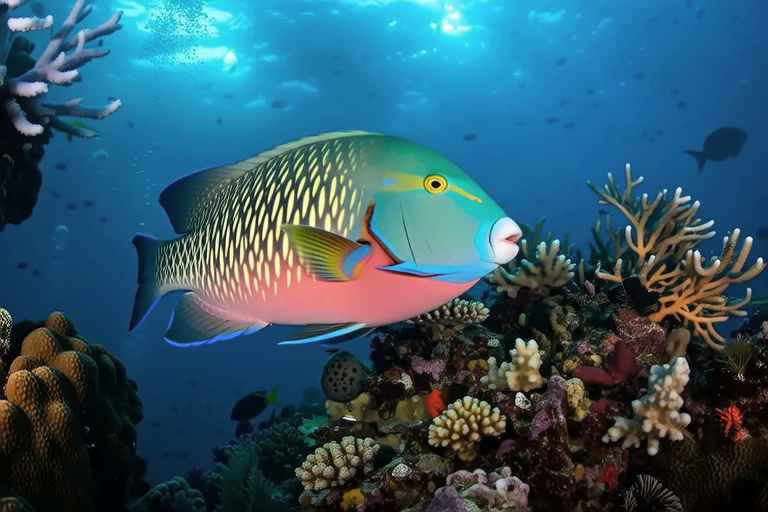
Parrot fish are vibrant, colorful marine creatures that play a crucial role in maintaining the health and biodiversity of coral reefs. These fish are known for their distinctive beak-like mouths, which they use to graze on algae growing on coral reefs. Their unique feeding habits and life cycles make them indispensable for the survival of these delicate ecosystems. This article explores how parrot fish are transforming coral reefs around the globe, highlighting their significant contributions to reef health, recent studies on their impact, and the challenges they face.
The Unique Role of Parrot Fish in Coral Reef Ecosystems
Parrot fish are herbivorous, feeding primarily on algae that grow on coral surfaces. By grazing on these algae, they prevent overgrowth, which can otherwise smother corals and inhibit their ability to photosynthesize. Their diet consists mainly of filamentous and fleshy macroalgae, which they consume using their strong jaws and teeth. The fish’s feeding behavior not only helps maintain the balance between algae and corals but also plays a vital role in promoting coral growth.
In addition to their direct contribution to coral health, parrot fish indirectly benefit the ecosystem through their excrement. After digesting the algae, they expel fine particles of calcium carbonate, which accumulate and form sand. This process is essential for the formation and maintenance of beaches and coastal areas, contributing to the overall resilience of marine environments.
Specific Contributions to Reef Health
One of the most significant ways parrot fish contribute to reef health is by controlling algal blooms. Algal overgrowth can occur when coral populations decline due to factors such as climate change, pollution, or destructive fishing practices. When this happens, algae can outcompete corals for space and resources, leading to further degradation of the reef. Parrot fish help mitigate this issue by keeping algae in check, allowing corals to thrive.
Recent studies have shown that parrot fish can significantly influence the recovery of damaged reefs. For example, a study published in the journal Nature Communications (2018) found that reefs with healthy parrot fish populations experienced faster regrowth after disturbances like hurricanes or bleaching events. The researchers observed that areas where parrot fish were abundant had higher rates of coral recruitment and lower levels of algal dominance compared to areas without sufficient parrot fish.
Examples of Regions Influenced by Parrot Fish Populations
Several regions around the world have witnessed the transformative effects of parrot fish on coral reefs. In the Caribbean, parrot fish have been instrumental in maintaining the health of many reefs. However, overfishing has led to declines in their populations, resulting in increased algal cover and reduced coral diversity. Efforts to protect parrot fish in places like the Bahamas and the Cayman Islands have shown promising results, with improved reef conditions following conservation measures.
In the Indo-Pacific region, particularly around the Great Barrier Reef, parrot fish populations have played a critical role in sustaining reef ecosystems. Research conducted by the Australian Institute of Marine Science revealed that reefs with thriving parrot fish communities exhibited greater resilience against environmental stressors. These findings underscore the importance of preserving parrot fish populations to ensure the long-term viability of coral reefs.
Threats to Parrot Fish Populations and Implications for Coral Reefs
Despite their vital role in coral reef ecosystems, parrot fish populations face numerous threats. Overfishing remains one of the most significant dangers, as many species are targeted for their meat and vibrant colors. Additionally, habitat destruction caused by coastal development, pollution, and climate change further exacerbates the problem. These factors not only reduce parrot fish numbers but also disrupt their natural behaviors, making it harder for them to perform their ecological functions.
If current trends continue, the consequences for coral reefs could be dire. Without adequate protection, reefs may become dominated by algae, leading to widespread coral death and loss of biodiversity. This would have far-reaching implications for marine ecosystems and human communities dependent on healthy reefs for food, livelihoods, and coastal protection.
Potential Conservation Efforts and Their Importance
To preserve both parrot fish and coral reefs, concerted conservation efforts are necessary. Establishing marine protected areas (MPAs) where fishing is restricted can provide safe havens for parrot fish to reproduce and thrive. MPAs have been shown to increase fish biomass and improve overall reef health. For instance, a study published in Science Advances (2020) demonstrated that MPAs in Fiji resulted in larger parrot fish populations and healthier coral reefs within their boundaries.
Implementing sustainable fishing practices, such as size limits and gear restrictions, can also help maintain parrot fish populations while ensuring the economic well-being of local fishermen. Education and outreach programs aimed at raising awareness about the importance of parrot fish for reef health can foster community support for conservation initiatives.
Furthermore, addressing global issues like climate change and ocean acidification is crucial for protecting parrot fish and coral reefs. Reducing greenhouse gas emissions, promoting renewable energy sources, and enhancing international cooperation on environmental policies will contribute to creating a more sustainable future for marine ecosystems.
Conclusion
Parrot fish are essential components of coral reef ecosystems, playing a pivotal role in maintaining reef health and biodiversity. Through their grazing activities and excretion of sand, they help control algal growth, promote coral regeneration, and contribute to beach formation. Recent studies and observations from various regions highlight the positive impacts of parrot fish on reef conditions. However, threats to their populations, including overfishing and habitat destruction, pose significant risks to coral reefs worldwide.
Conservation efforts focused on establishing MPAs, implementing sustainable fishing practices, and addressing broader environmental challenges are vital for preserving both parrot fish and coral reefs. By taking proactive steps to protect these vital marine species, we can ensure the continued existence of vibrant, diverse coral reef ecosystems for future generations.