
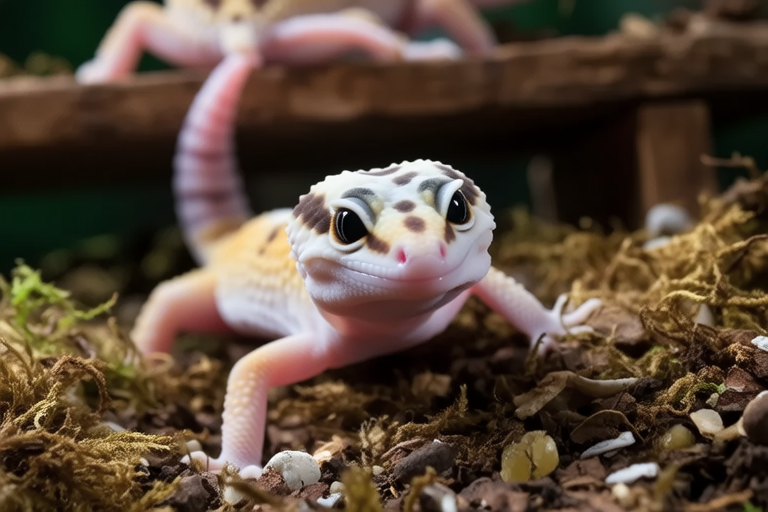
From Baby to Adult: A Complete Guide to Leopard Gecko Care
Introduction
Welcome to your comprehensive guide to caring for leopard geckos from infancy to adulthood. This article will cover everything you need to know about setting up their habitats, providing the right diet, ensuring good health, understanding their behavior, and even some basic breeding information. Whether you’re a first-time owner or an experienced herpetologist, this guide will help you provide the best care for your beloved pet.
Habitat Setup for Different Age Stages
Baby Leopard Geckos (Newborn to 4 Months)
For baby leopard geckos, it’s crucial to set up a small enclosure that is easy for them to navigate and provides all necessary elements for growth. A 10-gallon tank is ideal for babies, with a screen top to ensure proper ventilation. The substrate should be non-abrasive and easy to clean, such as paper towels or reptile carpet. Avoid sand or other loose substrates that could cause impaction.
Temperature control is vital; maintain a basking spot of around 90°F (32°C) and a cool side of about 75°F (24°C). Use a heat mat or under-tank heater to achieve these temperatures. A hide box on both the warm and cool sides will allow the baby gecko to regulate its body temperature comfortably. Additionally, provide a shallow water dish for drinking and soaking.
Young Leopard Geckos (4 Months to 1 Year)
As your leopard gecko grows, so should its living space. By four months, transition to a 20-gallon long tank. Continue using a safe substrate like paper towels or reptile carpet. At this stage, introduce a more varied environment with multiple hiding spots, branches, and caves for enrichment. Leopard geckos are nocturnal, so full-spectrum UVB lighting isn’t necessary, but a low-wattage red bulb can be used for night observation.
Maintain the same temperature gradient as before, but ensure the basking area remains at 90°F (32°C). Humidity should be kept low, around 30-40%, to prevent respiratory infections. Monitor the humidity levels with a hygrometer.
Adult Leopard Geckos (Over 1 Year)
Adult leopard geckos require a larger enclosure, typically a 20-gallon long tank for one adult. If housing multiple geckos, increase the size accordingly. Substrate options include coconut fiber, reptile carpet, or paper towels. Avoid loose substrates like sand or gravel, which can lead to impaction.
The temperature gradient should still range from 75°F (24°C) on the cool side to 90°F (32°C) on the warm side. Use a thermostat to monitor and adjust the heating elements. Humidity should remain between 30-40%. A humid hide filled with moist sphagnum moss can be provided for shedding assistance.
Diet Requirements
Leopard geckos are insectivores, primarily consuming crickets, dubia roaches, and mealworms. Offer a variety of insects to ensure a balanced diet. Gut-load the insects with nutritious foods before feeding them to your gecko. Dust the insects with calcium powder without vitamin D3, and once or twice a week, dust them with a multivitamin supplement.
Feed baby geckos daily, young geckos every other day, and adults every two to three days. Always remove uneaten prey to prevent stress or injury to your gecko.
Health Care Tips
Regular veterinary check-ups are recommended for leopard geckos. Signs of illness include lethargy, loss of appetite, difficulty shedding, or unusual feces. Common health issues include metabolic bone disease, caused by insufficient calcium intake, and impaction due to inappropriate substrate. Maintain a clean habitat, and quarantine new additions to prevent the spread of diseases.
Common Behaviors
Leopard geckos are generally calm and docile, making them great pets for children and beginners. They are nocturnal, active during the evening and night. Some common behaviors include tail-waving when threatened, autotomy (tail dropping), and brumation (a period of dormancy).
Breeding Information
Breeding leopard geckos requires specific conditions. Provide a male and female in separate enclosures for at least six months to ensure they reach sexual maturity. Introduce the pair into a larger breeding enclosure with a temperature gradient and a humid hide. After mating, the female will lay eggs in a nesting box filled with moist vermiculite or coco coir. Incubate the eggs at 88-90°F (31-32°C) for optimal hatching rates.
Advice on Handling and Social Interaction
Handle your leopard gecko gently and infrequently to avoid stressing them. Support their entire body and avoid grabbing them by the tail. Leopard geckos are solitary animals and prefer to live alone. While they may tolerate handling, they do not seek social interaction like some other pets.
Temperature and Humidity Control
Proper temperature and humidity control are critical for the health and well-being of your leopard gecko. Use thermometers and hygrometers to monitor these conditions regularly. Adjust heating elements and ventilation as needed to maintain the appropriate ranges.
Substrate Options
Selecting the right substrate is important for preventing health issues. Safe options include paper towels, reptile carpet, and coconut fiber. Avoid loose substrates like sand, which can lead to impaction.
Lighting Needs
Leopard geckos are nocturnal and do not require UVB lighting. However, a low-wattage red bulb can be used for night observation. Ensure the enclosure has proper ventilation to prevent overheating.
Potential Health Issues
Metabolic bone disease, respiratory infections, and impaction are common health issues in leopard geckos. Regular vet check-ups and proper husbandry practices can help prevent these problems.
Conclusion
Caring for a leopard gecko is a rewarding experience that requires attention to detail and commitment. By following the guidelines outlined in this article, you can provide a healthy and happy environment for your pet. Remember, each gecko is unique, so observe their behavior closely and make adjustments as needed. Enjoy the journey of raising these fascinating creatures!