
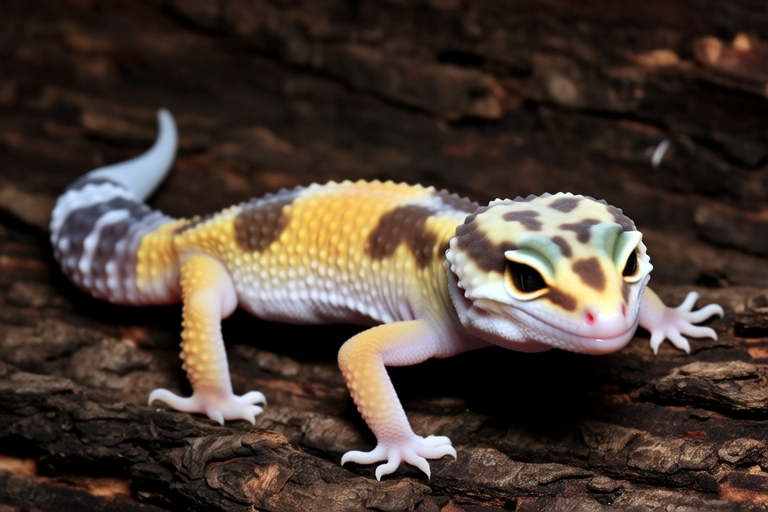
Leopard Gecko Behavior Decoded: What Their Actions Mean
Welcome to the fascinating world of Leopard Geckos! As a responsible pet owner, it’s crucial to understand your gecko’s behavior. Recognizing and interpreting their actions can help you provide better care, ensuring they live a long and healthy life. This guide will help you decode your Leopard Gecko’s behavior, from basking and eating to hiding and shedding.
The Importance of Understanding Your Gecko’s Behavior
Understanding your Leopard Gecko’s behavior is essential for their overall health and happiness. By observing their daily routines, you can identify any potential issues early on and make necessary adjustments to their environment. Regular monitoring allows you to maintain optimal living conditions, which is vital for your gecko’s well-being. Additionally, understanding their behavior helps build a stronger bond between you and your pet, making them more comfortable around you.
Basking: The Quest for Warmth
One of the most common behaviors you’ll notice in your Leopard Gecko is basking. These reptiles are ectothermic, meaning they rely on external sources of heat to regulate their body temperature. Basking under a heat lamp or in a warm spot within their enclosure is crucial for digestion, metabolism, and overall vitality. If your gecko spends extended periods in one area without moving, it may indicate that the temperature in that spot is ideal. Conversely, if they frequently move between different areas, it could suggest that the temperature gradient isn’t properly set up.
Eating: A Sign of Health and Contentment
Observing your Leopard Gecko’s eating habits is another key aspect of understanding their behavior. Healthy Leopard Geckos are usually eager eaters, consuming a variety of insects such as crickets, mealworms, and waxworms. However, if your gecko shows a lack of appetite or avoids food, it might be a sign of stress, illness, or discomfort in its environment. It’s important to note that some geckos may go through periodic fasting, especially during shedding cycles or after molting. Ensure that your gecko has access to fresh, appropriately sized prey items and that the feeding schedule remains consistent.
Hiding: Seeking Solitude and Security
Leopard Geckos are naturally shy creatures that require a safe space to retreat when they feel threatened or simply need some alone time. Providing multiple hiding spots within their enclosure is crucial for their psychological well-being. If your gecko spends a lot of time in its hide, it may be a sign that it feels secure and comfortable in its environment. However, if it refuses to come out at all, it could indicate stress, illness, or dissatisfaction with its habitat. Regularly check the humidity levels and temperature gradients to ensure they meet the gecko’s needs.
Shedding: A Natural Process
As Leopard Geckos grow, they shed their skin periodically. This process, known as ecdysis, is essential for their development. During shedding, your gecko may become more inactive and less interested in food. To facilitate this process, provide a humid hide filled with moist sphagnum moss or coconut fiber. Proper hydration and humidity levels are critical for a successful shed. If you notice any retained shed, particularly around the toes or tail, gently assist by soaking the affected area in lukewarm water and carefully removing the stuck skin with tweezers. Always handle your gecko with care during this sensitive period.
Social Behavior: Solitary Yet Social Creatures
Leopard Geckos are generally solitary animals but can interact positively with other geckos in certain circumstances. While they do not require companionship, some owners choose to house multiple geckos together. If you decide to keep more than one gecko, ensure that they have ample space and resources to avoid territorial disputes. Male geckos should never be housed together, as they tend to be aggressive towards each other. Female geckos can coexist peacefully if provided with enough hiding spots and food sources. When introducing new geckos, monitor their interactions closely to prevent stress or injury.
Nocturnal Habits: The Night Owls
Leopard Geckos are primarily nocturnal creatures, meaning they are most active during the night. They spend their days resting and conserving energy, becoming more active as the sun sets. Their activity levels may vary depending on the season and temperature. During colder months, they might become less active due to reduced metabolic rates. Providing appropriate lighting and maintaining a consistent day-night cycle is essential for their circadian rhythms. Ensure that your gecko has a dim red light or a night-specific bulb to see during its active hours while minimizing disturbance.
Signs of Stress or Illness
Recognizing signs of stress or illness in your Leopard Gecko is crucial for prompt intervention. Some common indicators include lethargy, loss of appetite, difficulty shedding, abnormal stools, and changes in coloration. If you notice any of these symptoms, consult a veterinarian specializing in reptiles immediately. Stress can result from various factors, including improper temperature gradients, insufficient hiding spots, overcrowded enclosures, or sudden environmental changes. Creating a stable and enriched environment can help alleviate stress and promote your gecko’s well-being.
Tips for Owners: Interpreting Behaviors Effectively
To ensure your Leopard Gecko is happy and healthy, follow these tips for interpreting their behaviors:
- Monitor their activity levels: Observe how much time they spend basking, eating, and exploring their enclosure. Sudden changes in behavior can indicate underlying issues.
- Check the environment: Regularly inspect the temperature, humidity, and cleanliness of their habitat. Adjustments may be necessary to accommodate seasonal changes or growth.
- Provide enrichment: Offer a variety of hiding spots, climbing structures, and feeding options to stimulate mental and physical activity.
- Handle with care: Be gentle and patient when interacting with your gecko. Avoid frequent handling, especially if they show signs of stress or discomfort.
- Seek professional advice: Consult a veterinarian if you’re unsure about any aspect of your gecko’s health or behavior.
By understanding and responding to your Leopard Gecko’s behavior, you can provide them with the best possible care. With patience, observation, and attention to detail, you’ll build a strong bond with your pet and ensure they thrive in their environment.