
Life Underwater: Discover the Hidden World of Parrot Fish
The ocean, often referred to as the last frontier, holds countless mysteries and wonders that continue to captivate the human imagination. Among these marvels, one creature stands out for its vibrant colors and peculiar behaviors: the parrot fish. This article delves into the fascinating world of parrot fish, exploring their physical characteristics, behavior, ecological roles, and unique sleeping habits. Additionally, we will discuss the threats they face and the conservation efforts aimed at protecting them.
Physical Characteristics
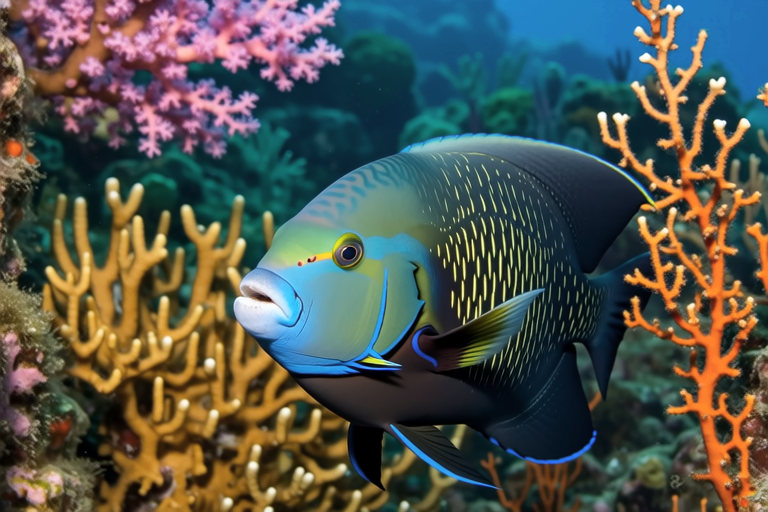
Parrot fish are named for their beak-like mouths, which are used to scrape algae off coral reefs. These fish come in a wide range of sizes, with some species reaching lengths of up to 1 meter. Their most striking feature is their vibrant coloration, which can vary greatly depending on the species and their age. Younger parrot fish tend to have more subdued hues, while adults display bright and eye-catching patterns. For instance, the Queen parrot fish starts life with a dull brown color but transforms into a stunning array of blues, greens, and reds as it matures.
Their bodies are typically elongated, and they possess large scales that protect them from predators. Some species even have spiky dorsal fins that serve as additional defense mechanisms. The scales of parrot fish also play a crucial role in their reproductive cycle; they shed them annually, and these discarded scales accumulate on the ocean floor, contributing to the formation of sand.
Behavior and Role in Marine Ecosystems
Parrot fish are primarily herbivores, feeding on algae and other plant matter found on coral reefs. They play a vital role in maintaining the health of these ecosystems by keeping algae growth in check. Without parrot fish, unchecked algae could smother coral, leading to the death of entire reef communities. Their grazing activities also help to create spaces for new corals to grow, thus promoting biodiversity within the reef environment.
In addition to their dietary habits, parrot fish exhibit fascinating social behaviors. Many species live in groups called schools, which provide safety in numbers against potential predators. Schools of parrot fish can often be seen swimming in synchronized patterns, creating mesmerizing displays of movement and color. This behavior is not only visually appealing but also serves a practical purpose, confusing any would-be attackers.
Unique Sleeping Habits
One of the most intriguing aspects of parrot fish is their unique sleeping habits. Before retiring for the night, many species secrete a mucus cocoon around themselves. This transparent, jelly-like substance acts as a protective barrier, masking the fish’s scent and making it less attractive to nocturnal predators. It also helps to reduce the risk of infection and parasites, ensuring the fish remains healthy throughout the night.
The process of creating this cocoon is both fascinating and complex. The fish expels mucous from specialized glands located near its head, weaving the substance into a delicate web that envelops its body. Once complete, the fish rests within this protective bubble until dawn. While this behavior has been observed in various species, its exact purpose and evolutionary advantages remain subjects of ongoing scientific research.
Vibrant Colorations
The vibrant colorations of parrot fish are not just a feast for the eyes; they serve important functions in their daily lives. Bright colors can signal health and vitality to potential mates, helping individuals find suitable partners for reproduction. Conversely, more subdued hues may serve as camouflage, allowing young or vulnerable fish to blend into their surroundings and avoid detection by predators.
Color changes are also significant during different times of the day. During the daytime, when parrot fish are actively feeding and socializing, they tend to display their brightest and most vivid patterns. However, as night approaches, many species adopt darker or more muted tones. This shift in appearance helps them stay hidden from nocturnal hunters while they rest in their protective cocoons.
Threats and Conservation Efforts
Despite their importance to marine ecosystems, parrot fish face numerous threats in their natural habitats. Overfishing poses one of the greatest dangers, with many species being targeted for their delicious meat. In some regions, parrot fish populations have declined dramatically due to unsustainable fishing practices.
Additionally, the degradation of coral reefs, caused by climate change, pollution, and destructive fishing methods, threatens the very environments where parrot fish thrive. As reefs deteriorate, so too does the availability of food and shelter for these fish. Habitat loss exacerbates the challenges faced by parrot fish, further endangering their survival.
To address these issues, various conservation initiatives have been launched globally. Marine protected areas (MPAs) are established to safeguard critical habitats and allow fish populations to recover. These protected zones prohibit certain types of fishing and other harmful activities, providing a safe haven for parrot fish and other marine life. Education programs aimed at raising awareness about the importance of parrot fish and the need for sustainable fishing practices also play a crucial role in conservation efforts.
Furthermore, international agreements and regulations aim to limit overfishing and promote responsible fishing practices. By working together, governments, organizations, and local communities can help ensure the survival of parrot fish and the health of the marine ecosystems they inhabit.
Conclusion
The world of parrot fish is a captivating and essential part of our oceans’ intricate tapestry. From their vibrant colorations and unique sleeping habits to their vital role in maintaining coral reef health, these remarkable creatures offer endless fascination for those who take the time to explore their hidden world. Understanding and appreciating the significance of parrot fish is crucial for fostering a sense of responsibility towards preserving our planet’s marine ecosystems. Through continued research, education, and conservation efforts, we can help ensure that future generations will have the opportunity to witness the beauty and wonder of these magnificent fish.