
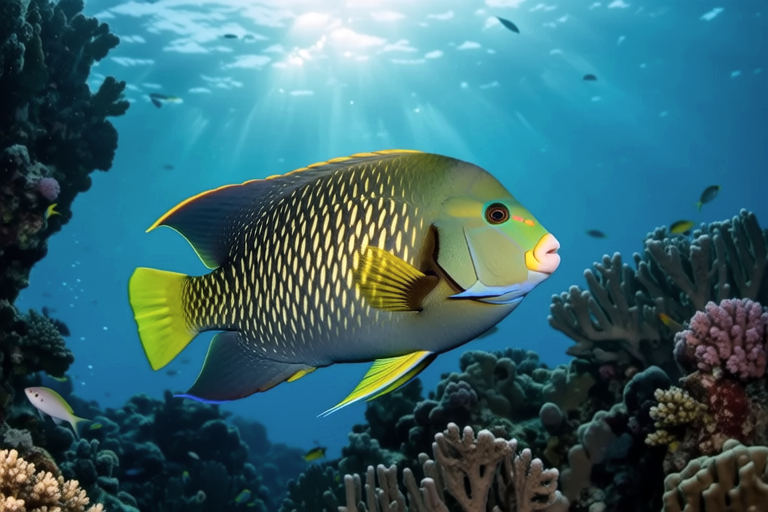
Parrot Fish: The Vibrant Underwater Jewels of Coral Reefs
In the vast oceanic realm, few creatures captivate the imagination like the parrot fish. These colorful, fascinating fish are among the most visually striking inhabitants of coral reefs, known for their vibrant hues and unique appearance. Parrot fish, belonging to the family Scaridae, are named after their beak-like mouths, which resemble the beaks of parrots. With their bright, iridescent scales and diverse array of colors, they stand out against the rich tapestry of the underwater world.
A Kaleidoscope of Colors
Parrot fish display an incredible spectrum of colors, ranging from electric blues and greens to fiery oranges and deep purples. Their bodies are often adorned with intricate patterns that seem almost too dazzling to be real. This vivid palette is not just a feast for the eyes but also serves as a form of camouflage and communication. The striking colors help them blend into the coral reefs, providing both protection and a means of attracting mates during breeding season.
The Role of Parrot Fish in Coral Reef Ecosystems
Parrot fish play a crucial role in maintaining the health and balance of coral reefs. They are herbivores, primarily feeding on algae that grow on coral surfaces. By consuming these algae, parrot fish prevent overgrowth, which can otherwise smother corals and hinder their ability to photosynthesize. Their feeding habits result in the production of sand, as their strong jaws grind up coral skeletons along with the algae. This process, known as biogenic sediment production, contributes significantly to the formation of beaches and coastal areas.
Feeding Habits
These fish have specialized teeth that form a parrot-like beak, allowing them to scrape algae off rocks and coral. Once ingested, the algae pass through their digestive system, where the indigestible coral particles are excreted as fine sand. A single large parrot fish can produce several kilograms of sand each year, contributing to the maintenance of the delicate balance of the reef ecosystem.
Behavioral Traits
Parrot fish exhibit several interesting behaviors that enhance their survival and adaptation within their environment. One of the most remarkable traits is their nightly habit of secreting a protective mucous cocoon. This transparent bubble, made from mucus secreted by glands near their gills, acts as a barrier against predators and parasites. Some scientists believe it may also mask the fish’s scent, making it harder for nocturnal hunters to detect them.
Social Behavior
Parrot fish are generally social creatures, often found in schools that can number in the hundreds. This grouping behavior provides safety in numbers, reducing the risk of predation. Schools of parrot fish can be seen swimming gracefully over coral reefs, their synchronized movements creating a mesmerizing spectacle. However, some species prefer solitude or small groups, depending on the specific environment and food availability.
Variety of Species
There are over 90 recognized species of parrot fish, each with its own distinct characteristics. Some of the most well-known species include the queen parrotfish (Scarus vetula), the stoplight parrotfish (Sparisoma viride), and the midnight parrotfish (Sparisoma nocturnum). These species vary widely in size, coloration, and habitat preference. For instance, the queen parrotfish is one of the largest species, growing up to 1.2 meters in length, while the stoplight parrotfish is more common in shallower waters and displays a striking combination of yellow and green.
Geographical Distribution
Parrot fish are found in tropical and subtropical waters around the world, particularly in regions with extensive coral reefs. They inhabit the warm waters of the Atlantic, Indian, and Pacific Oceans, including the Caribbean Sea, the Red Sea, and the Great Barrier Reef. Each region hosts a variety of species adapted to local conditions, showcasing the adaptability and resilience of these fish.
Threats to Parrot Fish
Despite their vital role in maintaining coral reef ecosystems, parrot fish face numerous threats due to environmental changes. Overfishing is a significant concern, as many species are targeted for their meat and vibrant skin, which is sometimes used in jewelry and decorative items. Habitat destruction, caused by pollution, climate change, and coastal development, further exacerbates their vulnerability.
Coral bleaching, resulting from rising sea temperatures, poses a direct threat to parrot fish populations. As corals die, the algae they rely on for food become scarce, leading to reduced food sources and increased competition. Additionally, ocean acidification, another consequence of climate change, weakens the structural integrity of coral reefs, diminishing the habitats that parrot fish depend on.
The Importance of Conservation
Conserving parrot fish is essential for the overall health and sustainability of coral reef ecosystems. Their role in preventing algal overgrowth and promoting coral growth ensures the longevity of these vital marine environments. Protecting parrot fish also supports the broader marine biodiversity, as healthy coral reefs serve as nurseries and shelters for countless other species.
Efforts to conserve parrot fish include establishing marine protected areas, implementing sustainable fishing practices, and raising awareness about the importance of these fish. By protecting parrot fish, we safeguard not only these vibrant jewels of the ocean but also the intricate web of life that depends on coral reefs.
In conclusion, parrot fish are more than just beautiful creatures; they are integral to the health and survival of coral reefs. Their vibrant colors, unique behaviors, and vital ecological roles make them indispensable members of the marine community. As we continue to explore and appreciate the wonders of the ocean, it is crucial that we recognize the importance of preserving these underwater jewels for future generations.