
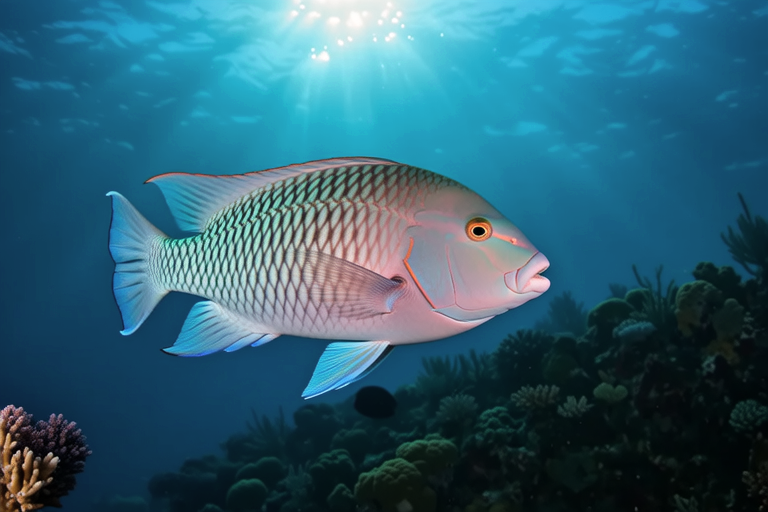
Parrot Fish: Culinary Delight and Ecological Stewardship
The parrot fish is a vibrant and diverse group of marine species found in tropical and subtropical waters around the world. Known for their striking colors and distinctive beak-like mouths, these fish play a crucial role in maintaining healthy coral reef ecosystems. This article explores the ecological role of parrot fish, their dietary habits, and the sustainability concerns surrounding their consumption. Additionally, we will delve into the nutritional value of parrot fish, the impact of overfishing on coral reefs, and alternative seafood options.
Ecological Role of Parrot Fish
Parrot fish are integral to the health and maintenance of coral reefs. These fish feed primarily on algae, which can otherwise smother and kill corals if left unchecked. By grazing on algae, parrot fish help maintain the balance of the reef ecosystem, allowing corals to thrive and grow. Their feeding habits also contribute to the formation of sand on beaches. As they consume coral, their digestive processes break down the calcium carbonate structure, producing fine particles that eventually become part of the sandy substrate.
Research has shown that the removal of parrot fish from coral reef systems can lead to significant declines in coral cover and overall reef health. A study published in Science in 2008 highlighted the critical role of herbivorous fish, including parrot fish, in preventing the overgrowth of algae on coral reefs. The findings underscore the importance of preserving parrot fish populations to ensure the long-term viability of coral reef ecosystems.
Dietary Habits of Parrot Fish
Parrot fish have a unique diet that sets them apart from many other marine species. They primarily feed on algae, using their beak-like mouths to scrape it off rocks and coral surfaces. This feeding behavior is essential for maintaining the delicate balance of the reef ecosystem. In addition to algae, some species of parrot fish may also consume small invertebrates or detritus.
The specific dietary preferences of parrot fish can vary depending on the species and the availability of food sources in their environment. For instance, certain species may prefer filamentous algae, while others may focus on turf algae. Understanding these dietary patterns is crucial for managing fisheries sustainably and ensuring that parrot fish populations remain healthy and abundant.
Nutritional Value of Parrot Fish
Parrot fish is not only a delicacy but also a nutritious source of protein. It is low in fat and calories, making it an excellent choice for those looking to maintain a balanced diet. The fish is rich in omega-3 fatty acids, which are beneficial for heart health and brain function. Omega-3s have been linked to reducing the risk of cardiovascular disease, improving cognitive function, and supporting eye health.
In addition to its high protein content, parrot fish is also a good source of vitamins and minerals, including vitamin B12, niacin, phosphorus, and selenium. Vitamin B12 is essential for proper nerve function and the production of red blood cells, while niacin supports energy metabolism and skin health. Phosphorus plays a key role in bone health, and selenium acts as an antioxidant, protecting cells from damage caused by free radicals.
Sustainability Concerns Surrounding Parrot Fish Consumption
Despite their ecological importance and nutritional benefits, the consumption of parrot fish is not without its challenges. Overfishing has become a significant concern, particularly in regions where fishing practices are poorly regulated. Many populations of parrot fish are declining due to unsustainable fishing methods, such as the use of dynamite or cyanide, which can cause widespread damage to coral reefs and other marine life.
The depletion of parrot fish populations can have far-reaching consequences for coral reef ecosystems. Without sufficient numbers of these herbivores, algae can overgrow and smother corals, leading to a decline in reef health and biodiversity. This, in turn, affects other marine species that rely on coral reefs for habitat and food. Consequently, the loss of parrot fish can disrupt entire marine ecosystems, impacting both ecological and economic systems.
Cultural Perspectives on Consuming Parrot Fish
The consumption of parrot fish varies widely across different cultures and regions. In some parts of the world, parrot fish is considered a delicacy and is highly valued for its flavor and texture. For example, in the Caribbean, parrot fish is often prepared as a traditional dish, either grilled, fried, or baked. The fish’s tender meat and mild flavor make it popular among locals and tourists alike.
In other areas, however, parrot fish may not be consumed due to cultural taboos or religious beliefs. Some communities view parrot fish as sacred or believe that eating them could bring bad luck. These cultural perspectives highlight the complex relationship between human societies and marine resources, and the need to respect local traditions and practices when discussing sustainable seafood choices.
Alternative Seafood Options
For those concerned about the sustainability of parrot fish populations, there are several alternative seafood options available. These alternatives offer similar nutritional benefits and culinary versatility while being more environmentally friendly. Some examples include:
- Snapper: A versatile fish that can be prepared in a variety of ways, snapper is known for its firm texture and mild flavor. It is generally considered a more sustainable option compared to parrot fish.
- Grouper: Another popular choice for those seeking a flavorful, firm-fleshed fish, grouper is often recommended as a sustainable alternative to parrot fish.
- Trout: Farmed trout is a nutritious and eco-friendly option that can be substituted for parrot fish in many recipes. Trout is rich in omega-3 fatty acids and provides a similar taste and texture.
- Clams: Clams are a sustainable and nutritious shellfish that can be used in a wide range of dishes. They are low in fat and calories and are an excellent source of protein and vitamins.
When choosing alternative seafood options, it is important to consider factors such as fishing practices, habitat impact, and population status. Sustainable seafood guides and certifications, such as the Marine Stewardship Council (MSC) or the Aquaculture Stewardship Council (ASC), can provide valuable information to help consumers make informed decisions.
Guidelines for Sustainable Seafood Choices
To ensure that your seafood choices support both your health and the environment, consider the following guidelines:
- Choose sustainably sourced seafood: Look for certifications like the MSC or ASC, which indicate that the product comes from well-managed fisheries or farms that adhere to strict environmental standards.
- Avoid endangered species: Be mindful of the conservation status of the species you are considering. Avoid purchasing seafood from populations that are critically endangered or threatened.
- Support local and seasonal options: Opt for locally caught or farmed seafood whenever possible, as this reduces the carbon footprint associated with transportation and supports local economies.
- Reduce waste: Consider purchasing whole fish or smaller portions to minimize waste and encourage responsible fishing practices.
- Educate yourself: Stay informed about the latest research and recommendations regarding sustainable seafood. Knowledge is power when it comes to making ethical and responsible choices.
By following these guidelines, you can enjoy delicious seafood while contributing to the preservation of marine ecosystems and the sustainability of global fisheries.
Conclusion
The parrot fish is a fascinating and vital component of coral reef ecosystems, offering both ecological and culinary value. While its consumption can provide numerous health benefits, it is essential to approach parrot fish as a food source with care and responsibility. By understanding the ecological role of parrot fish, their dietary habits, and the sustainability concerns surrounding their consumption, we can make informed decisions that promote both our health and the health of the oceans.
Through the adoption of sustainable seafood practices and the exploration of alternative options, we can continue to savor the culinary delights of the sea while safeguarding the future of marine ecosystems. Let us strive for a balance between culinary enjoyment and environmental stewardship, ensuring that the beauty and bounty of the ocean are preserved for generations to come.