
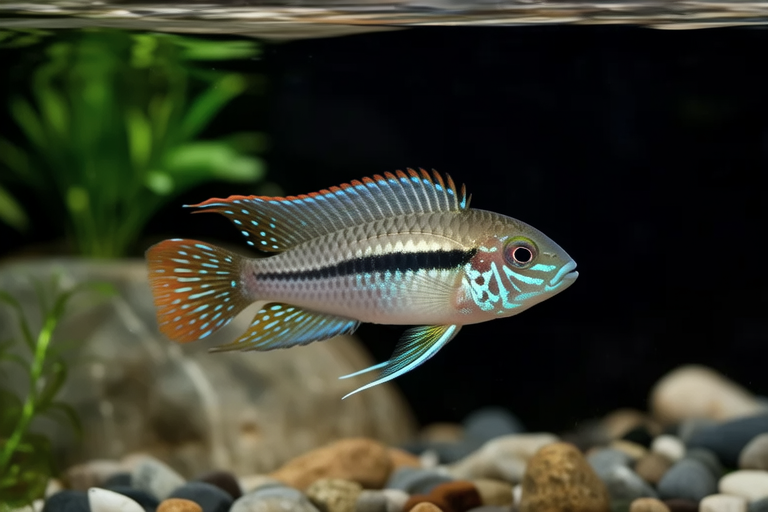
How to Care for Your Colorful Parrot Fish at Home
Welcome to the vibrant world of parrot fish care! These strikingly colorful creatures are a popular choice among aquarists due to their bright hues and playful nature. Caring for a parrot fish can be incredibly rewarding, but it requires dedication and knowledge to ensure they thrive in their aquatic environment. This guide will walk you through everything you need to know about creating the perfect home for your parrot fish, from setting up the aquarium to addressing common health issues.
Choosing the Right Aquarium Setup
The first step in caring for your parrot fish is selecting the appropriate aquarium. Parrot fish are large and active, so they require ample space to swim and explore. A minimum tank size of 55 gallons is recommended for a single parrot fish, with additional gallons needed for each additional fish. Larger tanks provide more stability in water conditions and reduce stress on your fish.
When setting up your aquarium, consider the following:
- Filter: Choose a high-quality filter that can handle the bioload produced by your parrot fish. Filters help maintain water quality by removing waste and debris.
- Heater: Parrot fish are tropical species, so maintaining a consistent temperature between 78°F and 84°F (25°C to 29°C) is crucial.
- Lighting: Proper lighting is essential for both the fish’s well-being and the growth of any live plants you may have. Aim for 8-12 hours of light per day.
- Substrate: Opt for smooth, rounded gravel or sand as substrate. Sharp substrates can cause injury to your parrot fish.
- Hiding spots: Provide plenty of hiding places such as caves, rocks, and plants to mimic their natural habitat and reduce stress.
Maintaining Water Quality
Water quality is paramount for the health of your parrot fish. Regular maintenance ensures a clean and safe environment. Here’s how to keep your water in top condition:
- Weekly Water Changes: Perform partial water changes of around 10-20% weekly to remove toxins and maintain stable water parameters.
- Monitor Water Parameters: Test your water regularly for pH, ammonia, nitrite, and nitrate levels. Ideal pH ranges between 6.5 and 7.5, while ammonia and nitrite should always read zero, and nitrates should remain below 20 ppm.
- Air Pump and Aerator: Ensure there is adequate oxygenation in the water. An air pump and aerator can help maintain proper oxygen levels.
- Water Conditioner: Use a water conditioner to neutralize chlorine, chloramine, and heavy metals found in tap water.
Appropriate Diet
Feeding your parrot fish a balanced diet is key to their overall health and longevity. Their diet should consist of a variety of foods to meet their nutritional needs:
- Flake Food: High-quality flake food provides essential nutrients and vitamins. Look for varieties specifically formulated for cichlids or omnivorous fish.
- Frozen Foods: Offer frozen bloodworms, brine shrimp, and other similar foods to supplement their diet and encourage natural feeding behaviors.
- Pellets: Pellet food can also be part of their diet, providing a convenient and nutritionally complete option.
- Vegetables: Parrot fish enjoy a plant-based diet, so offer blanched vegetables like zucchini, peas, and spinach occasionally.
- Supplements: Consider adding supplements to their diet to ensure they receive all necessary nutrients.
Feed your parrot fish twice daily, offering only what they can consume within a few minutes to prevent overfeeding and water pollution.
Common Health Issues
Despite your best efforts, your parrot fish may encounter health issues. Early detection and prompt treatment are critical for recovery. Some common ailments include:
- Fin Rot: Characterized by frayed, discolored fins, fin rot is often caused by poor water quality. Treat with antibiotics and improve water conditions.
- Ich: A parasitic infection causing white spots on the fish’s body. Increase water temperature slightly and treat with ich medication.
- Bloat: Indicative of digestive issues, bloat may result from overfeeding or dietary imbalances. Fast your fish for a day or two and gradually reintroduce food.
- Swim Bladder Disorder: Affects swimming ability and balance. Ensure your fish is eating properly and avoid overfeeding.
If you notice any unusual behavior or physical signs, consult a veterinarian specializing in exotic animals for proper diagnosis and treatment.
Tips for Keeping Your Parrot Fish Happy and Healthy
Creating a stimulating and enriching environment is vital for your parrot fish’s happiness and well-being. Here are some tips:
- Provide Toys: Introduce floating toys or structures that encourage exploration and play.
- Rotate Tank Mates: Occasionally change the tank mates to keep things interesting. Ensure new additions are compatible.
- Interactive Feeding: Hand-feed your parrot fish occasionally to build a bond and stimulate their minds.
- Regular Observation: Spend time observing your fish daily to monitor their behavior and health.
Tank Mates Compatibility
Choosing compatible tank mates is crucial for maintaining harmony in your aquarium. Parrot fish are generally peaceful but can become territorial when stressed or during feeding times. Suitable tank mates include:
- Other Large Cichlids: Fish like Oscars and Jack Dempseys can coexist peacefully with parrot fish.
- Ramirezi: These small, peaceful fish can add color without posing a threat to parrot fish.
- Loaches: Active bottom-dwelling fish like clown loaches can complement your parrot fish.
Avoid housing parrot fish with aggressive or fin-nipping species, as this can lead to stress and injury.
In conclusion, caring for your colorful parrot fish involves attention to detail and commitment to their well-being. By providing the right aquarium setup, maintaining excellent water quality, offering a balanced diet, addressing health issues promptly, and ensuring compatible tank mates, you can enjoy a thriving and beautiful aquatic environment. Remember, the happiness and health of your parrot fish are directly tied to the care and effort you invest in them. Happy fishkeeping!