
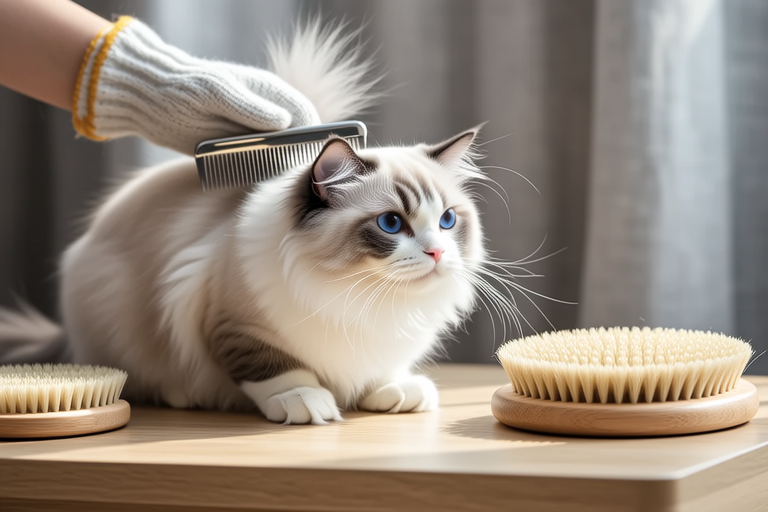
Chinchilla Grooming Hacks Every Owner Should Try
Welcome to the wonderful world of chinchillas! These adorable, fluffy rodents are known for their luxurious coats, which consist of the densest fur of any land mammal. With up to 60 hairs growing from each follicle, their thick fur requires special care to keep it healthy and free from mats and parasites. Proper grooming isn’t just about aesthetics; it plays a crucial role in your chinchilla’s overall health and well-being. In this article, we’ll explore some practical and innovative grooming tips that every chinchilla owner should try.
The Unique Grooming Needs of Chinchillas
Chinchillas hail from the Andes Mountains in South America, where they adapted to the cold, dry climate. Their dense fur serves as insulation against the harsh mountain environment, but it also makes them susceptible to overheating and skin issues if not properly maintained. Unlike many other pets, chinchillas don’t rely solely on licking or grooming themselves to stay clean; they need regular dust baths to remove oils and dirt from their fur. This natural behavior is essential for maintaining the integrity of their coat.
Common Grooming Challenges Owners Face
Despite their reputation for being low-maintenance pets, chinchillas can present several grooming challenges. One of the most common issues is overgrooming, which can lead to hair loss and stress-related behaviors. Another challenge is ensuring that their nails don’t grow too long, as this can cause discomfort and difficulty in walking. Additionally, owners often struggle with keeping their chinchillas’ teeth trimmed, as chinchillas have continuously growing incisors that require regular attention to prevent overgrowth.
Dust Baths: The Key to Healthy Fur
The cornerstone of chinchilla grooming is providing regular access to dust baths. These baths help remove excess oils and dirt from the fur without stripping it of its natural moisture. It’s important to use chinchilla-specific dust, such as volcanic ash or commercial chinchilla dust, which is designed to be gentle on the delicate fur. Avoid using human bathing products, as they can be harmful to your chinchilla’s sensitive skin.
- Frequency: Offer dust baths 3-4 times a week, each lasting around 15-30 minutes. Ensure the dust is fresh and not reused to avoid bacterial growth.
- Environment: Place the dust bath in a quiet area away from drafts to minimize stress for your chinchilla.
- Monitoring: Watch your chinchilla during the bath to ensure it doesn’t ingest too much dust, which can lead to digestive issues.
Nail Trimming Techniques
Trimming your chinchilla’s nails is an essential part of their grooming routine. Overgrown nails can lead to discomfort and even infections. However, many owners find nail trimming intimidating. Here are some tips to make the process easier and safer:
- Tools: Use sharp, small animal nail clippers or a guillotine-style clipper designed for chinchillas. Dull tools can crush the nail and cause pain.
- Lighting: Good lighting is crucial when trimming nails. A bright lamp or natural light will help you see the quick (the blood vessel inside the nail) more clearly.
- Technique: Hold your chinchilla gently but firmly, supporting its body with one hand while using the other to trim the nails. Be cautious not to cut into the quick, which can cause bleeding and pain.
Teeth Care: Preventing Overgrowth
Chinchillas have continuously growing teeth, including their incisors, molars, and premolars. If left unchecked, these teeth can grow too long, leading to malocclusion, a condition where the teeth don’t align properly. This can cause eating difficulties and pain. Regular dental check-ups by a veterinarian are necessary, but there are steps you can take at home to promote good dental health:
- Toys: Provide appropriate chew toys made from untreated wood, cardboard, or pumice stone. These materials help wear down the teeth naturally.
- Observation: Monitor your chinchilla’s eating habits. Difficulty chewing or drooling can indicate dental problems.
- Veterinary Care: Schedule regular visits to a vet who specializes in exotic animals. They can perform professional tooth trims if needed.
Safe Handling Methods
Handling your chinchilla correctly is crucial for both their safety and your comfort. Chinchillas are fragile creatures, and improper handling can lead to injuries. Here are some tips for safe and gentle handling:
- Support: Always support your chinchilla’s entire body, especially the hindquarters. Never lift them by their tail or ears.
- Gentle Grip: Use two hands to hold your chinchilla securely but gently. One hand should support the chest, while the other supports the rear.
- Quiet Environment: Handle your chinchilla in a calm, quiet area to reduce stress.
Recognizing Signs of Poor Hygiene and Its Impact on Health
Poor hygiene can lead to various health issues in chinchillas, including skin infections, respiratory problems, and dental issues. Recognizing the signs of poor hygiene early can prevent these problems:
- Fur Condition: Look for mats, dandruff, or patches of missing fur. These can indicate poor grooming or underlying health issues.
- Behavior Changes: Noticeable changes in behavior, such as lethargy, reduced appetite, or excessive grooming, may signal discomfort or illness.
- Breathing Issues: Difficulty breathing or wheezing can indicate respiratory infections, often linked to poor hygiene.
The Importance of Regular Grooming for Health and Happiness
Maintaining a regular grooming schedule is vital for your chinchilla’s health and happiness. By incorporating these grooming practices into your routine, you’re not only keeping your pet clean but also fostering a strong bond between you and your chinchilla. Regular grooming sessions can become a positive experience for both of you, enhancing trust and affection.
Remember, grooming is not just about physical cleanliness; it’s also about emotional well-being. A well-groomed chinchilla is a happy chinchilla, and a happy chinchilla makes for a joyful companion.
Conclusion
In conclusion, grooming your chinchilla is an essential aspect of responsible pet ownership. From dust baths to nail trimming and teeth care, each step contributes to your chinchilla’s health and happiness. By following these practical and innovative grooming tips, you can ensure your chinchilla remains in top condition. Make grooming a bonding experience, and watch your relationship with your furry friend flourish. Happy grooming!