
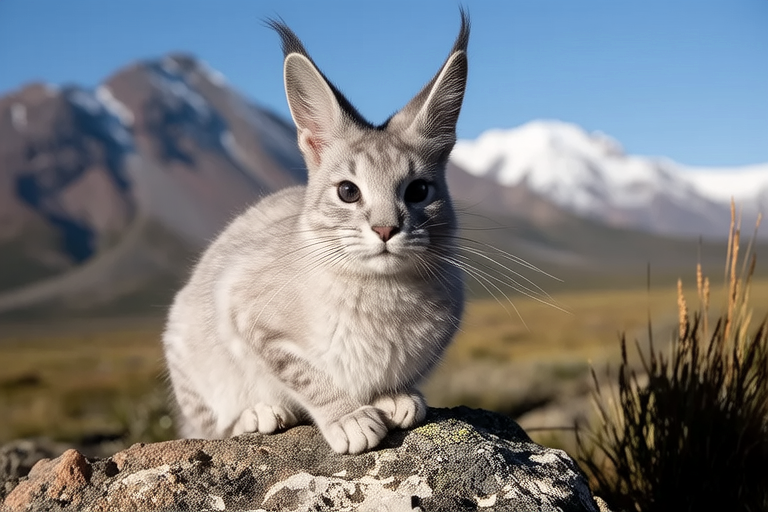
From Andes to Your Home: The Fascinating World of Chinchillas
Welcome to the enchanting world of chinchillas, one of nature’s most fascinating creatures. Native to the high altitudes of the Andean mountains in South America, these small rodents have captivated human interest for centuries. Their unique habitat and remarkable adaptations make them stand out in the animal kingdom. This article delves into the world of chinchillas, exploring their origins, physical attributes, historical significance, and the responsibilities of owning one as a pet.
A Natural Habitat in the Andes
Chinchillas are endemic to the harsh, rocky terrain of the Andes Mountains, where they thrive at elevations ranging from 3,000 to 5,000 meters above sea level. These regions are characterized by frigid temperatures, strong winds, and sparse vegetation. The Andean environment has shaped the chinchilla’s physiology and behavior, allowing them to flourish in conditions that would be challenging for many other mammals.
The Andean habitat provides chinchillas with a natural defense against predators. Their rocky dwellings offer numerous crevices and burrows, which serve as safe havens. Chinchillas are adept climbers, utilizing their powerful hind legs and long tails to navigate the steep cliffs with ease. This agility is crucial for escaping predators such as foxes, birds of prey, and even humans.
Physical Characteristics and Adaptations
One of the most striking features of chinchillas is their dense fur. Each hair follicle can produce up to 60 individual hairs, resulting in an exceptionally soft and plush coat. This luxurious fur serves multiple purposes, primarily providing insulation against the cold mountain climate. The thick layer of fur traps air close to the skin, creating an effective barrier against the biting winds and low temperatures.
In addition to their impressive fur, chinchillas possess large ears that help regulate body temperature. By increasing blood flow to the ears, they can dissipate excess heat during warmer periods. This physiological adaptation ensures that chinchillas maintain a stable internal temperature despite the extreme variations in their environment.
Another notable characteristic of chinchillas is their nocturnal lifestyle. They are most active during the night when temperatures are cooler, and the risk of overheating is minimized. This behavior pattern aligns perfectly with their natural habitat, where nighttime offers respite from the harsh daytime conditions.
A Brief History of Chinchillas
The history of chinchillas is intertwined with human civilization, particularly in South America. For centuries, the indigenous people of the Andes revered chinchillas for their valuable pelts. The Inca civilization held the chinchilla in high esteem, considering it sacred. However, it was the arrival of European explorers in the 16th century that marked the beginning of significant changes for the chinchilla population.
European traders and settlers were drawn to the Andes by tales of the chinchilla’s luxurious fur. The demand for chinchilla pelts skyrocketed, leading to widespread over-trapping. By the early 20th century, wild chinchilla populations had plummeted, and the species was on the brink of extinction. Conservation efforts and the establishment of protected reserves have since helped stabilize the wild chinchilla population, but challenges remain.
The Domestication of Chinchillas
The domestication of chinchillas began in earnest in the mid-20th century. Early attempts at breeding chinchillas in captivity met with limited success, but advancements in animal husbandry and genetics have led to thriving populations of domesticated chinchillas. Today, there are several recognized breeds of domestic chinchillas, each with distinct physical and behavioral traits.
Domestic chinchillas retain many of the physical characteristics of their wild counterparts, including their dense fur and large ears. However, domestic breeds have been selectively bred for specific traits, such as color variation and temperament. The most common domestic chinchilla colors are standard gray, beige, white, and black velvet.
Caring for Pet Chinchillas
Owning a chinchilla comes with significant responsibilities, particularly regarding their care and well-being. Understanding the dietary, housing, and health needs of chinchillas is essential for providing a safe and comfortable living environment.
Dietary Needs
Chinchillas are herbivores, primarily feeding on hay, fresh vegetables, and specially formulated pellets. A balanced diet is crucial for maintaining their health and ensuring proper digestion. Timothy hay is the staple food for chinchillas, providing essential fiber and promoting healthy teeth. Fresh vegetables, such as carrots, broccoli, and leafy greens, should be offered in moderation. Pellets designed specifically for chinchillas should make up a small portion of their diet, providing necessary vitamins and minerals.
Housing Requirements
Creating an appropriate living space for your chinchilla is vital for their comfort and safety. Chinchillas require a spacious cage with multiple levels to allow for climbing and exercise. The cage should be lined with a non-toxic bedding material, such as shredded paper or wood shavings, to absorb waste and provide a soft surface. Chinchillas are prone to overheating, so their living area should be kept cool and well-ventilated. Providing access to a dust bath is also essential, as chinchillas rely on regular dust baths to clean and condition their fur.
Health Considerations
Regular veterinary check-ups are recommended for all pet chinchillas. Common health issues include dental problems, respiratory infections, and gastrointestinal disorders. Signs of illness may include lethargy, loss of appetite, and changes in stool consistency. Prompt medical attention can prevent minor issues from becoming serious conditions.
The Importance of Responsible Ownership
Responsible ownership is paramount when caring for chinchillas. Potential owners must commit to providing a nurturing environment that meets the physical and emotional needs of their pets. This includes understanding the time and financial investment required for proper care. Additionally, responsible ownership extends beyond individual pet care to broader conservation efforts.
Conservation efforts play a critical role in preserving wild chinchilla populations and their habitats. Organizations dedicated to wildlife conservation work tirelessly to protect chinchillas from poaching and habitat destruction. By supporting these initiatives and raising awareness about the importance of conservation, individuals can contribute to the long-term survival of this remarkable species.
In conclusion, chinchillas are truly captivating creatures with a rich history and unique adaptations. From their native habitat in the Andean mountains to their presence in homes around the world, chinchillas continue to fascinate and inspire. By embracing the responsibilities of ownership and supporting conservation efforts, we can ensure the continued existence of these charming animals for generations to come.