
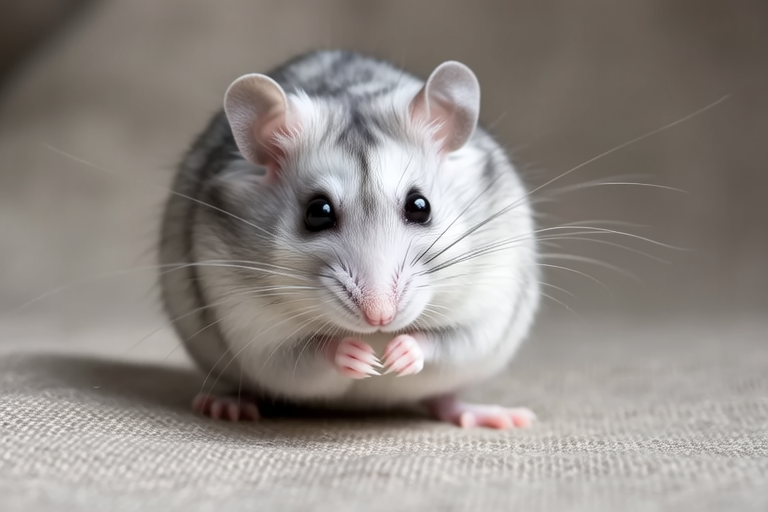
Chinchilla Behavior: Nuances and Adaptability
Chinchillas are fascinating creatures known for their soft, plush fur and unique behaviors. Their charm lies not only in their appearance but also in their adaptable nature and endearing habits. This article explores the nuances of chinchilla behavior, highlighting their adorable interactions, surprising adaptability, and nocturnal lifestyle. We will delve into their social structures, grooming routines, and address common misconceptions about their behavior.
The Charming Behaviors of Chinchillas
One of the most endearing behaviors of chinchillas is their tendency to groom each other. This mutual grooming is not merely a display of affection; it serves multiple purposes. Grooming helps remove dust, dirt, and parasites from each other’s fur, promoting hygiene and health. It also strengthens social bonds within the group. In captivity, chinchillas often engage in this behavior, even with humans if they are comfortable and familiar with them.
Chinchillas also exhibit playful behaviors that can be delightful to observe. They are known for their acrobatic skills, frequently leaping and bouncing around their enclosure. This activity is not just for fun; it is an essential part of their exercise routine. These agile animals have strong hind legs that allow them to jump impressive heights relative to their size. Their playful nature makes them entertaining companions, but it also underscores their need for mental and physical stimulation.
Adaptability in Various Environments
Chinchillas are remarkably adaptable creatures, capable of thriving in diverse environments. Originating from the Andes Mountains of South America, these rodents have adapted to high altitudes where temperatures can drop significantly. In the wild, they inhabit rocky areas with crevices and burrows, providing shelter from predators and extreme weather conditions. Their ability to withstand cold climates is one of the reasons why they are well-suited for life in human homes, especially in cooler regions.
Despite their preference for cooler temperatures, chinchillas can adapt to warmer environments as long as they have access to shade and cool spaces. In captivity, maintaining an optimal temperature range between 60°F and 70°F (15°C to 21°C) is crucial for their comfort and well-being. Providing them with a variety of hiding spots and tunnels within their enclosures mimics their natural habitat, encouraging exploration and reducing stress.
Nocturnal Habits and Social Structures
Chinchillas are primarily nocturnal animals, meaning they are most active during the night. This adaptation allows them to avoid predators that are more active during daylight hours. In the wild, chinchillas spend their nights foraging for food, which mainly consists of grasses, herbs, and seeds. Their nocturnal lifestyle continues in captivity, where they tend to be more active during the evening and early morning hours.
Understanding a chinchilla’s social structure is essential for their well-being. In the wild, chinchillas live in colonies consisting of up to 100 individuals. These colonies provide safety in numbers and facilitate mating opportunities. In captivity, chinchillas can still form strong bonds with their companions. However, introducing new chinchillas to an existing pair or group requires careful consideration to prevent territorial disputes. It is generally recommended to introduce chinchillas at a young age or when they are neutered to reduce aggression.
Unique Grooming Routines
Grooming is a vital aspect of a chinchilla’s daily routine. Unlike many other animals, chinchillas do not bathe in water. Instead, they take dust baths to clean their fur. This behavior is unique and essential for maintaining the health and condition of their dense, soft coats. The dust used for bathing is typically made of volcanic ash or pumice powder, which absorbs oils and dirt from the fur without damaging it.
Dust bathing is not only a cleaning mechanism but also a social activity. Chinchillas may engage in dust baths together, further reinforcing their social bonds. Owners should provide their chinchillas with ample time and space for dust bathing, ideally once or twice a week. It is important to ensure that the dust is kept dry and fresh to maintain its effectiveness. Overuse or prolonged exposure to wet conditions can lead to skin issues, so monitoring the duration and frequency of dust baths is crucial.
Common Misconceptions About Chinchilla Behavior
There are several misconceptions about chinchilla behavior that potential owners should be aware of. One common misconception is that chinchillas are easy pets for children. While chinchillas can be gentle and affectionate, they require specialized care and attention that may not be suitable for young children. Their delicate nature and specific dietary and environmental needs make them better suited for older, responsible pet owners.
Another misconception is that chinchillas can be left alone for extended periods. Due to their social nature, chinchillas thrive on interaction and companionship. Leaving them isolated for long durations can lead to behavioral issues such as excessive grooming or destructive chewing. Providing adequate mental and physical stimulation through toys, tunnels, and regular handling is essential for their emotional well-being.
Tips for Potential Owners
Understanding and catering to the specific needs of chinchillas is key to their happiness and longevity. Here are some tips for potential owners:
- Proper Housing: Provide a spacious, secure enclosure with plenty of vertical space for climbing and jumping. Ensure that the cage is escape-proof and free from toxic materials.
- Temperature Control: Maintain a consistent temperature within the recommended range to prevent heatstroke or respiratory issues.
- Feeding: Offer a balanced diet consisting of high-quality chinchilla pellets, hay, and occasional treats like fruits and vegetables. Avoid feeding foods high in sugar or fat.
- Handling: Approach your chinchilla calmly and gently. Allow them to get accustomed to being handled over time to build trust.
- Playtime: Spend quality time with your chinchilla outside of the cage to encourage bonding and provide mental stimulation.
- Healthcare: Regular veterinary check-ups and prompt attention to any signs of illness are crucial for maintaining your chinchilla’s health.
By understanding the unique behaviors and needs of chinchillas, potential owners can provide them with a loving and enriching environment. With proper care and attention, chinchillas can become cherished members of the family, offering years of companionship and joy.