
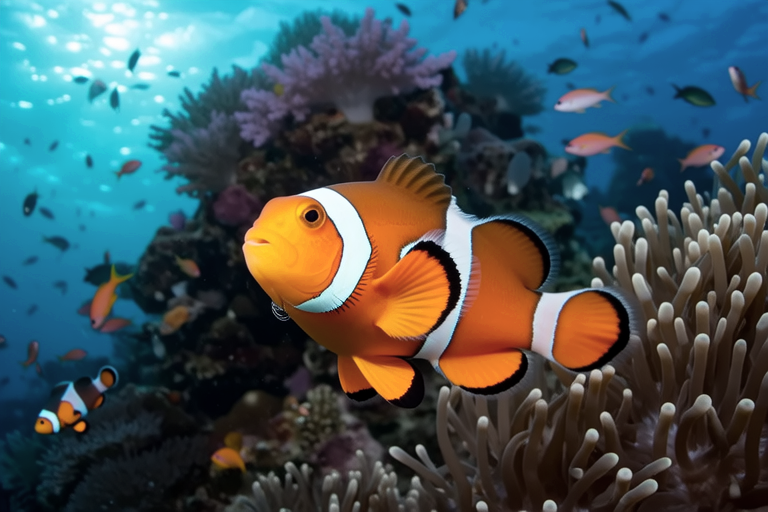
The Colorful World of Clownfish: Fun Facts and Care Tips
Clownfish, also known as anemonefish, have captured the hearts of many with their vibrant colors and intriguing behaviors. These small, hardy fish are not only popular in movies and television but also among aquarium enthusiasts. In this article, we will explore some fun facts about clownfish biology, behavior, and their unique relationship with sea anemones. Additionally, we’ll provide valuable care tips for those interested in keeping these fascinating creatures in home aquariums.
Understanding the Biology of Clownfish
Clownfish belong to the family Pomacentridae and the genus Amphiprion, which comprises 30 different species. They are native to the warmer waters of the Pacific and Indian Oceans, particularly around coral reefs. Clownfish are hermaphrodites, meaning they can change sex. Each group of clownfish has a dominant female, and if she dies, the largest male in the group will transform into a female. This remarkable ability allows clownfish populations to maintain stability even in challenging environments.
The Symbiotic Relationship with Sea Anemones
One of the most striking features of clownfish is their close association with sea anemones. This relationship is mutually beneficial, known as mutualism. The clownfish protect the anemone from predators like butterflyfish by chasing them away, and in return, the anemone provides shelter and food for the clownfish. Interestingly, the clownfish’s mucus layer protects them from the stinging tentacles of the anemone, allowing them to live comfortably within its grasp.
Behavioral Traits of Clownfish
Clownfish exhibit a variety of fascinating behaviors. They are territorial and fiercely protective of their anemone homes. Males are often seen chasing away intruders, including other clownfish. Additionally, clownfish communicate through a series of clicks and pops, which may serve as warnings or mating calls. Their bold and curious nature makes them entertaining to observe, especially when interacting with divers or snorkelers.
Care Tips for Keeping Clownfish in Home Aquariums
For those interested in keeping clownfish at home, it is essential to understand their specific needs to ensure their well-being. Below are some key points to consider:
Water Conditions
Clownfish thrive in stable, clean water conditions. A temperature range of 76-82°F (24-28°C) is ideal, with a pH level between 8.1 and 8.4. Regular water changes and proper filtration are crucial to maintaining water quality. Clownfish are sensitive to ammonia and nitrite levels, so monitoring these parameters is vital. Additionally, a salinity level of 1.020-1.025 specific gravity is recommended.
Tank Mates
When choosing tank mates for your clownfish, it is important to select peaceful species that are compatible with their size and temperament. Good choices include other small, non-aggressive fish such as damselfish, cardinalfish, and gobies. Avoid aggressive or large predatory fish that might threaten the clownfish. Compatibility can vary depending on individual fish personalities, so careful observation is necessary.
Diet
Clownfish are omnivorous and require a balanced diet of meaty foods and plant matter. In the wild, they feed on algae, zooplankton, and small invertebrates. In captivity, they can be fed a variety of prepared foods, including flakes, pellets, frozen brine shrimp, and mysis shrimp. It is advisable to offer a mix of protein-rich foods and vegetable-based options to ensure optimal nutrition. Feeding should occur twice daily, providing only what the fish can consume within a few minutes to prevent overfeeding.
Common Health Issues
Like all aquatic animals, clownfish can be susceptible to various health issues. Some common problems include ich, fin rot, and bacterial infections. Early signs of illness may include lethargy, loss of appetite, pale coloration, or visible lesions. Maintaining good water quality and quarantine procedures for new additions can help prevent disease outbreaks. If symptoms persist, consulting a veterinarian specializing in marine life is recommended.
Conclusion
The colorful world of clownfish offers endless fascination for both casual observers and dedicated aquarists. Understanding their biology, behavior, and unique relationship with sea anemones provides insight into why these fish are such beloved creatures. By following proper care guidelines, you can create a thriving environment for your clownfish, ensuring they remain healthy and happy companions for years to come. Whether you’re a novice or experienced aquarist, the joy of watching these lively fish swim gracefully around their anemone homes is truly rewarding.