
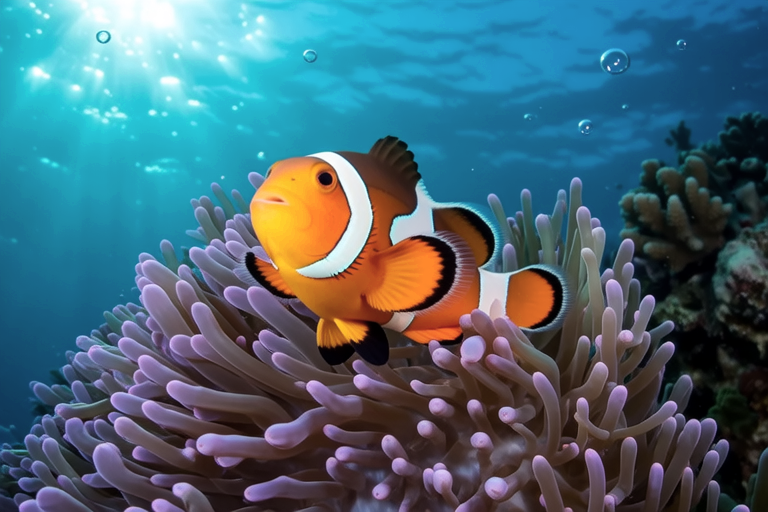
Top 10 Fascinating Facts About Clownfish Guaranteed to Spark Joy
Welcome to a delightful dive into the enchanting world of clownfish! These vibrant, charismatic creatures have captured hearts worldwide, not just because of their starring role in animated films, but also due to their fascinating behaviors, unique adaptations, and surprising relationships within the ocean’s ecosystem. Let’s explore ten extraordinary facts about these beloved fish that are sure to bring a smile to your face and a deeper appreciation for marine biodiversity.
Fact 1: The Hidden Gender Switcher
Did you know that clownfish are sequential hermaphrodites? This means they can change their gender during their lifetime. Each anemone has a dominant male, a dominant female, and several non-breeding males. If the female disappears, the largest male transforms into a female within a few weeks. This remarkable ability ensures the continuation of their species without the need for external intervention. It’s like having a backup plan built right into their biology!
Fact 2: Anemone Allies
Clownfish and sea anemones share a unique partnership known as mutualism, where both species benefit from the relationship. While this might sound familiar, what’s truly fascinating is how they protect each other. Sea anemones provide clownfish with shelter and protection from predators, thanks to their venomous tentacles. In return, clownfish act as bodyguards by driving away potential threats like butterflyfish, which are known to snack on anemones. Additionally, clownfish waste serves as nutrients for the anemone, helping it thrive.
Fact 3: The Electric Connection
In a groundbreaking discovery, scientists have found that clownfish produce electric fields around themselves. This ability, known as bioelectrogenesis, helps them communicate and navigate through the complex underwater environment. By emitting weak electric signals, clownfish can detect the presence of nearby organisms, even in murky waters. This electric sense is particularly useful when swimming close to their host anemones, ensuring they don’t accidentally brush against the toxic tentacles.
Fact 4: A Feast of Microbes
Clownfish have a symbiotic relationship with certain bacteria that live on their skin, forming a protective layer called a microbiome. These beneficial microbes help ward off harmful pathogens and parasites, essentially acting as a natural defense system. Interestingly, the composition of this microbial community changes depending on the clownfish’s diet and environment, allowing them to adapt to different conditions. This dynamic relationship underscores the importance of maintaining healthy ecosystems in marine environments.
Fact 5: The Dance of Colors
The striking color patterns of clownfish aren’t just for show; they play a crucial role in their survival. Their bright hues serve as a warning sign to potential predators, indicating that they are not easy prey. However, what’s even more intriguing is how these colors can vary among different species. For instance, the orange-and-white striped pattern of the common clownfish contrasts sharply with the more subdued brown and white stripes of the Maroon clownfish. These variations in coloration may help distinguish between species and reduce competition for resources.
Fact 6: The Power of Camouflage
Despite their vibrant appearance, clownfish possess remarkable camouflage abilities. When threatened, they can blend seamlessly into the tentacles of their host anemone, making it difficult for predators to spot them. This skill is especially useful during mating season when clownfish are more vulnerable. By hiding in plain sight, they increase their chances of survival and successful reproduction. This adaptation showcases the incredible ways in which marine creatures have evolved to coexist with their surroundings.
Fact 7: The Secret Life of Eggs
Mating rituals in the clownfish world are quite elaborate and involve courtship dances and nest preparations. After laying eggs, the male takes over the parenting duties, diligently guarding and fanning the clutch to ensure proper oxygenation and development. What’s fascinating is that the male can detect the sex of the developing embryos and adjust his care accordingly. This level of parental investment highlights the complexity of clownfish social structures and their commitment to raising offspring.
Fact 8: The Evolutionary Advantage
Clownfish have developed a special mucus coating on their bodies that allows them to safely interact with sea anemones. Unlike most fish, which would be stung by the anemone’s toxins, clownfish have evolved to neutralize the effects. This adaptation provides them with a safe haven from predators and competition. Over time, this unique relationship has shaped clownfish evolution, leading to physical and behavioral traits that enhance their survival within this niche environment.
Fact 9: The Ocean’s Social Butterflies
Clownfish exhibit complex social behaviors that rival those of many terrestrial animals. Within their groups, there is a strict hierarchy, with the largest individual being the dominant member. These social dynamics influence everything from feeding habits to reproductive success. Researchers have observed that clownfish can recognize individuals within their group and respond differently based on familiarity. This sophisticated social structure adds another layer of intrigue to these already captivating creatures.
Fact 10: The Global Travelers
While clownfish are primarily associated with tropical waters, some species undertake long migrations across vast distances. These journeys can span hundreds of miles, taking them from their birthplace to new territories where they establish colonies. This migratory behavior is driven by environmental factors such as food availability and breeding opportunities. Understanding these movements can provide valuable insights into ocean health and connectivity, highlighting the importance of preserving marine habitats.
As we conclude our journey through the captivating world of clownfish, it’s clear that these tiny marvels of nature hold many secrets yet to be uncovered. From their remarkable gender flexibility to their intricate relationships with sea anemones, clownfish continue to fascinate and inspire wonder. Whether you’re a seasoned marine biologist or simply someone who enjoys learning about the wonders of the deep blue, there’s always something new and exciting to discover about these charming fish. So next time you see a clownfish, take a moment to appreciate the hidden depths of its extraordinary life.