
How Clownfish Became Internet Sensations and Why They Deserve It
Introduction to Clownfish
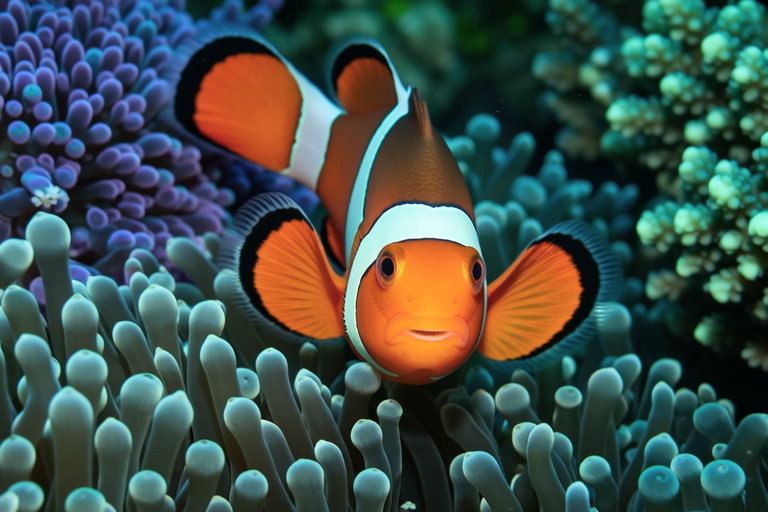
Clownfish, scientifically known as Amphiprioninae, are small, brightly colored fish native to the tropical waters of the Indian and Pacific Oceans. These vibrant fish are best known for their symbiotic relationship with sea anemones, which provide them with shelter and protection from predators. The clownfish, in turn, bring nutrients to the anemone through their waste and help keep the anemone clean by eating parasites. Their natural habitat includes coral reefs, where they thrive among the intricate structures that offer both food and refuge.
These fish are not only visually striking but also display fascinating behaviors. They are territorial, fiercely defending their homes against intruders, and exhibit complex social hierarchies within their groups. Clownfish are also known for their remarkable ability to change sex, starting as males and potentially becoming females if the dominant female in the group dies. This unique characteristic has intrigued scientists and aquarium enthusiasts alike.
The Rise of Clownfish Popularity on the Internet
The journey of clownfish from the depths of the ocean to the forefront of internet culture began with the release of Finding Nemo, a Disney-Pixar animated film that captured hearts worldwide in 2003. The movie’s protagonist, Marlin, a clownfish, embarks on a perilous journey to find his son, Nemo, who was captured and taken to a dentist’s office. The film’s vivid animation, endearing characters, and heartwarming narrative catapulted clownfish into the public consciousness. Children and adults alike were captivated by the charming portrayal of Marlin and Nemo, sparking a renewed interest in these colorful creatures.
Following the success of Finding Nemo, clownfish continued to gain prominence online through various mediums. Social media platforms like YouTube and Instagram became breeding grounds for clownfish-related content, from amateur home aquarium videos to professional documentaries showcasing the beauty and complexity of marine ecosystems. Additionally, the advent of virtual reality experiences and interactive apps allowed users to immerse themselves in the underwater world, further enhancing the appeal of clownfish.
One significant factor contributing to the sustained popularity of clownfish is the accessibility of high-quality video footage. Thanks to advancements in underwater photography and videography, viewers can now witness the graceful movements and interactions of clownfish in their natural habitats. This real-life portrayal complements the animated depictions, offering a more authentic glimpse into the lives of these fish.
Why Clownfish Resonate So Well with Audiences
The appeal of clownfish lies in their striking appearance, which is characterized by bold stripes and vibrant hues of orange, white, and black. Their distinctive markings make them easily recognizable and visually appealing, even to those unfamiliar with marine biology. This aesthetic quality is one reason why clownfish have become such popular subjects for art, fashion, and merchandise.
Beyond their physical attributes, clownfish are often perceived as having distinct personalities, a trait that resonates deeply with audiences. In media, they are portrayed as intelligent, resourceful, and capable of forming strong bonds with other creatures. These characteristics are exemplified by characters like Marlin and Dory from Finding Nemo, whose adventures and challenges evoke empathy and admiration. While these portrayals may be anthropomorphized, they effectively humanize clownfish, making them relatable and lovable.
Moreover, clownfish play crucial ecological roles within their habitats. As part of the coral reef ecosystem, they contribute to biodiversity and help maintain the balance of marine life. Their symbiotic relationship with sea anemones underscores the interconnectedness of different species, reminding us of the delicate nature of our planet’s ecosystems. This ecological significance adds another layer of depth to their appeal, making clownfish not just objects of fascination but symbols of environmental stewardship.
The Importance of Conservation Efforts
Despite their widespread popularity, clownfish face numerous threats to their survival, including habitat destruction, climate change, and overfishing. Coral reefs, which serve as vital habitats for clownfish, are under increasing pressure due to rising sea temperatures and ocean acidification. These environmental changes can lead to coral bleaching, a process where corals expel the algae living in their tissues, causing them to turn completely white. Without healthy coral reefs, clownfish lose their homes and sources of food, jeopardizing their survival.
To address these challenges, it is essential to support conservation efforts aimed at protecting clownfish and their habitats. Organizations such as the Marine Conservation Society and World Wildlife Fund work tirelessly to raise awareness about the importance of preserving marine ecosystems and advocate for policies that promote sustainable practices. Individuals can contribute by supporting these organizations through donations and volunteering, as well as by making environmentally conscious choices in their daily lives.
In conclusion, clownfish have earned their place as internet sensations not only because of their striking appearance and charming personalities but also due to their ecological significance. By appreciating and protecting these beloved creatures, we can ensure that future generations will continue to marvel at the wonders of the ocean. Let us celebrate the clownfish for all they bring to our lives and commit to safeguarding their future.