
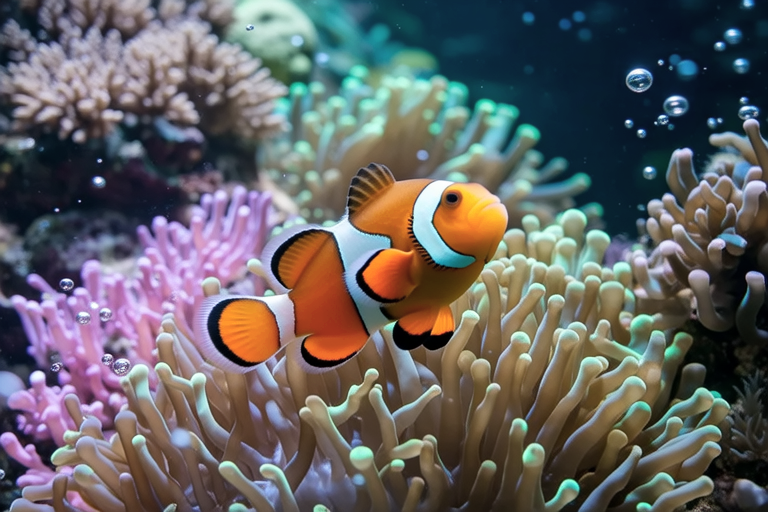
Clowning Around: How to Set Up a Perfect Habitat for Your Clownfish
Clownfish, with their vibrant colors and entertaining personalities, have become one of the most popular choices for marine aquariums. These fish, native to the warm waters of the Indian and Pacific Oceans, have captivated the hearts of many hobbyists due to their charming antics and ease of care. However, setting up the perfect habitat for these delightful creatures requires careful consideration and planning. This guide will walk you through the essential steps to ensure your clownfish thrive in their new home.
The Ideal Aquarium Setup
The first step in creating a suitable habitat for your clownfish is selecting the right aquarium. Clownfish generally require at least a 20-gallon tank, but larger tanks are preferred as they provide more swimming space and help maintain better water quality. The shape of the tank can also influence the fish’s behavior; taller tanks can encourage vertical swimming, while longer tanks offer more horizontal space for exploration.
When choosing the location for your aquarium, consider factors such as lighting, temperature, and proximity to windows or doors that could cause sudden changes in light or temperature. Ensure the area is free from drafts and direct sunlight, which can lead to excessive algae growth and temperature fluctuations.
Water Conditions
Maintaining optimal water conditions is crucial for the health and longevity of your clownfish. Saltwater aquariums need to be carefully monitored to ensure stability in parameters such as salinity, pH, and temperature.
- Salinity: The specific gravity of saltwater should be between 1.020 and 1.025. Use a hydrometer to measure this accurately.
- pH Level: Aim for a pH range of 8.1 to 8.4. Regular testing and adjustments are necessary to keep it within this range.
- Temperature: Maintain a consistent temperature between 76°F and 82°F (24°C to 28°C). A reliable heater and thermometer are essential tools for achieving and maintaining this temperature.
Regular water changes and proper filtration are vital for keeping the water clean and free from harmful substances. Perform partial water changes of about 10% weekly to remove waste and replenish beneficial minerals.
Tank Mates Compatibility
Selecting appropriate tank mates is another critical aspect of clownfish care. Clownfish are relatively peaceful and can coexist with a variety of other species, provided there is ample space and hiding spots. Some good tank mates include:
- Gobies: Small, peaceful bottom-dwelling fish that pose no threat to clownfish.
- Bubble Algae Snails: These snails help control unwanted algae growth without disturbing the clownfish.
- Hermit Crabs: They contribute to the ecosystem by cleaning up leftover food and algae.
Avoid aggressive or territorial species that may bully or stress the clownfish. Additionally, ensure that any potential tank mates share similar water requirements to prevent compromising the overall health of the aquarium.
Feeding Habits
Clownfish are omnivorous, meaning they consume both plant matter and small animals. In the wild, they feed on zooplankton, algae, and occasionally small invertebrates. To replicate their natural diet, offer a balanced mix of flake foods, frozen foods, and live foods. Suitable options include brine shrimp, mysis shrimp, and small pieces of seafood like squid or scallops.
Feed your clownfish two to three times per week, providing only what they can consume within a few minutes to avoid overfeeding. Overfeeding can lead to poor water quality and obesity in the fish. It’s important to vary their diet to ensure they receive all necessary nutrients.
Necessary Equipment
To maintain a healthy environment for your clownfish, investing in the right equipment is essential. Here are some key items:
- Filtration System: Choose a high-quality filter that can handle the size of your tank. Filters help remove waste, excess food, and harmful chemicals, ensuring clear and healthy water.
- Heater: A reliable heater maintains the water temperature within the desired range. Always use a thermostat to prevent overheating.
- Protein Skimmer: For larger tanks, a protein skimmer helps remove organic compounds that can be difficult to filter out otherwise.
- Lights: Install LED lights to simulate natural daylight cycles. This not only enhances the visual appeal of the tank but also supports the growth of photosynthetic organisms.
- Hiding Spots: Provide plenty of caves, rock formations, and plants for your clownfish to explore and hide. Anemones, if properly acclimated, can also serve as excellent hiding spots and potential hosts.
Tips for Beginners and Advanced Aquarists
For beginners, starting with a smaller tank and fewer fish can help manage the complexity of maintaining a saltwater aquarium. Focus on mastering the basics, such as water changes and monitoring parameters, before expanding your collection. It’s also advisable to join local aquarium clubs or online forums where experienced hobbyists can offer guidance and support.
Advanced aquarists may wish to experiment with more complex setups, including reef tanks or systems with live rock and sand beds. These environments provide additional challenges but also offer opportunities for more intricate and rewarding experiences. Regardless of experience level, always prioritize the health and well-being of your fish above aesthetics.
Conclusion
Creating a perfect habitat for your clownfish involves thoughtful planning and ongoing maintenance. By focusing on the right aquarium setup, water conditions, tank mates, feeding habits, and necessary equipment, you can ensure your clownfish thrive in their new home. Remember, the key to successful clownfish care lies in providing them with a stable, enriching environment that mimics their natural habitats. With patience and dedication, you’ll enjoy watching your clownfish flourish and bring joy to your aquatic world.