
A Journey into the Exotic World of Bengal Cats
The Bengal cat is a unique and captivating breed that has captured the hearts of many cat enthusiasts. With its striking appearance and distinctive personality, the Bengal cat is truly one of a kind. This article delves into the fascinating world of Bengal cats, exploring their origins, physical attributes, and personalities, as well as offering advice for potential owners.
Origins and History
The Bengal cat’s history is a tale of innovation and dedication. These felines were first bred in the 1960s by crossing domestic cats with Asian leopard cats, a small wild feline native to Southeast Asia. The aim was to create a domestic cat with the exotic look of its wild ancestor but with a friendly and affectionate temperament suitable for home life.
The breeding process was challenging, and it took several decades to achieve a stable and predictable Bengal breed. The pioneering work of Dr. Willard Centerwall, who studied genetic resistance to feline leukemia in Asian leopard cats, laid the groundwork for the development of the Bengal breed. His research helped breeders understand how to successfully crossbreed these wildcats with domestic cats while preserving desirable traits.
Over time, breeders focused on refining the Bengal’s appearance and temperament. Today, Bengals are recognized by major cat registries and have become one of the most popular breeds in the United States. Their journey from wild ancestry to beloved pet is a testament to the power of selective breeding and human ingenuity.
Striking Appearance
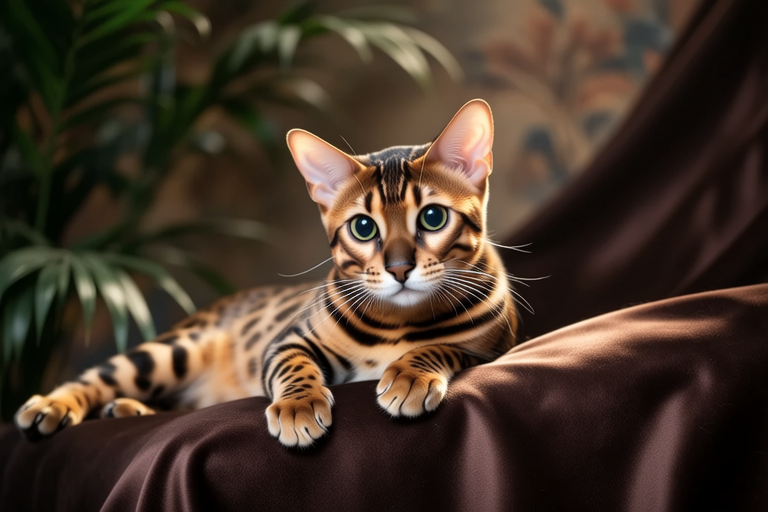
Bengal cats are renowned for their stunning appearance, which is a result of their wild heritage. Their coats are typically short and sleek, with a luxurious, almost velvety texture. One of the most distinctive features of Bengal cats is their coat pattern, which often resembles the rosettes found on leopards. These rosettes can be solid, outlined, or clouded, creating a mesmerizing effect.
Another hallmark of the Bengal’s coat is its iridescence, which gives the fur a shimmering, almost metallic quality under certain lighting conditions. This unique characteristic is particularly noticeable when Bengals move, as their coats seem to come alive with color and light. Bengals also exhibit a wide range of coat colors, including brown, snow, silver, and charcoal. Each color variation adds to the breed’s visual diversity and appeal.
In addition to their striking coats, Bengal cats have large, expressive eyes that contribute to their charismatic appearance. Their eyes are typically almond-shaped and can be green, gold, or blue, depending on the individual’s genetics. The combination of their rosette-patterned coats and vivid eyes makes them a standout among other cat breeds.
Personality Traits
Bengal cats are known for their vibrant personalities, which blend intelligence, playfulness, and affection. They are highly interactive and enjoy spending time with their human companions. Bengals are curious creatures, always eager to explore new environments and investigate unfamiliar objects. This curiosity often manifests in playful behavior, such as pouncing on toys or chasing after laser pointers.
Despite their wild ancestry, Bengals are generally very social and bond closely with their owners. They thrive on attention and enjoy being part of family activities. Bengals are intelligent and can learn tricks, making them engaging pets for those looking for more than just companionship. They are also known for their vocal nature, often communicating with soft chirps and trills, which they use to express their feelings and interact with their owners.
One of the most endearing qualities of Bengal cats is their loyalty. They form strong bonds with their human families and can become quite attached. Bengals are often described as “dog-like” in their behavior due to their loyalty and enthusiasm for play. They are also adaptable and can adjust to different living situations, making them ideal for households with children or other pets.
Care and Maintenance
When considering a Bengal cat as a pet, it’s important to understand the specific needs and care requirements of this breed. Bengals are relatively low-maintenance in terms of grooming, as their short, dense coats require only minimal brushing to keep them healthy and free of mats. However, they do shed seasonally, so regular brushing during shedding periods can help manage loose fur.
Feeding a Bengal cat involves providing a balanced diet that meets their nutritional needs. High-quality commercial cat food formulated for indoor or active cats is usually sufficient, but some owners may opt for a raw diet to mimic the natural prey of their wild ancestors. It’s essential to consult with a veterinarian to determine the best dietary plan for your Bengal based on age, activity level, and overall health.
Health maintenance is crucial for ensuring that your Bengal remains happy and healthy. Regular veterinary check-ups are necessary to monitor for common cat ailments and address any issues early. Bengals are generally robust and resilient, but they can be prone to certain health conditions, such as hip dysplasia and heart disease. Genetic testing and careful breeding practices can help reduce the risk of these conditions.
Mental stimulation is equally important for Bengals, given their intelligence and active nature. Providing plenty of toys and engaging in interactive play sessions can help prevent boredom and destructive behavior. Puzzle feeders and treat-dispensing toys are excellent options for keeping Bengals mentally engaged. Additionally, Bengals benefit from having access to vertical spaces, such as cat trees and window perches, where they can climb and observe their surroundings.
Exceptional Companions
Bengal cats stand out as exceptional companions due to their unique combination of beauty, intelligence, and affection. Many owners attest to the joy and fulfillment that Bengal cats bring into their lives. For instance, Sarah Thompson, a Bengal cat owner from California, describes her cat, Luna, as a “constant source of entertainment and love.” She notes that Luna’s playful antics and affectionate nature make her feel like she has a loyal friend rather than just a pet.
Another owner, Mark Johnson from New York, highlights the Bengal’s adaptability and compatibility with other pets. He has a Bengal named Max who lives harmoniously with his dog, Charlie. Mark emphasizes that Bengals can be great companions for families with children or other animals, as long as they are introduced gradually and provided with proper socialization.
The enduring popularity of Bengal cats is a testament to their exceptional qualities as pets. Their striking appearance, vibrant personalities, and strong bonds with their owners make them a sought-after choice for those seeking a unique and rewarding feline companion. Whether you’re a seasoned cat lover or considering your first cat, a Bengal cat could be the perfect match for you.