
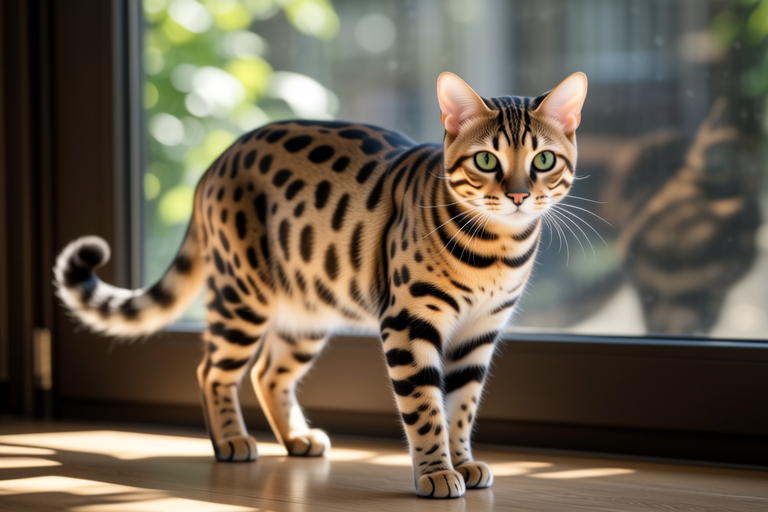
The Wild Within: A Journey Through the World of Bengal Cats
Bengal cats are one of the most fascinating breeds in the feline world. Their origins, physical traits, and wild instincts make them stand out from other domesticated cats. This article delves into the history of Bengal cats, their unique heritage from Asian leopard cats, and their energetic, playful nature. We will also explore the challenges of owning a Bengal cat and provide tips for ensuring they thrive in domestic settings.
Origins and Heritage
The Bengal cat is a hybrid breed developed through selective breeding of domestic cats with Asian leopard cats (ALC). Jean Mill, an American breeder, began the process in the 1960s, aiming to create a domestic cat with the appearance and some of the characteristics of the wild Asian leopard cat. The first generation of Bengals, known as F1, was created by crossing a male ALC with a domestic female. Subsequent generations were bred back to domestic cats to produce the stunning Bengal we know today.
The Asian leopard cat’s influence is evident in the Bengal’s physical appearance, particularly its striking coat patterns and eye color. These cats come in various colors, but the most popular are brown tabby, silver tabby, and snow. Their coats often feature distinctive rosettes or marbling, reminiscent of their wild ancestors.
Physical Traits and Wild Instincts
Bengals are medium to large-sized cats, with muscular bodies and a sleek, athletic build. They have a short, soft coat that feels like velvet to the touch. Their almond-shaped eyes can be green, gold, or copper, adding to their exotic appearance. One of the most striking features of the Bengal is their spotted or marbled coat, which gives them a wild look.
These cats possess many wild instincts, including excellent climbing skills, agility, and a love for water. Their hunting prowess is also notable; they are natural-born hunters and may engage in stalking and pouncing behaviors even when playing with toys. Bengals are known for their curiosity and intelligence, often exploring every corner of their environment. Their wild side is further reflected in their vocalizations; Bengals are quite vocal and can produce a range of sounds, from chirps to growls.
Energetic and Playful Nature
Bengal cats are renowned for their high energy levels and playful demeanor. They are incredibly active and require plenty of mental and physical stimulation. Owners should provide a variety of toys, such as puzzle feeders, interactive toys, and climbing structures, to keep their Bengals engaged. These cats are also highly social and enjoy interacting with their human companions. They often follow their owners around the house, seeking attention and participating in daily activities.
Their playful nature is a direct result of their wild ancestry. Bengals are intelligent and curious, always looking for new ways to entertain themselves. They enjoy games that involve chasing, pouncing, and climbing. Their playful behavior is often a reflection of their natural hunting instincts, and it’s important for owners to provide opportunities for these behaviors in a safe and controlled environment.
Adaptability and Challenges
Bengals are highly adaptable cats, able to thrive in various living situations. However, their active temperament can pose challenges for owners. These cats require a lot of attention and stimulation, and neglecting their needs can lead to destructive behaviors. Bengals are known for their strong jaws and sharp claws, so providing appropriate outlets for their energy is crucial.
Owners must be prepared for the challenges of raising a Bengal cat. These cats are highly intelligent and may become bored easily if not given enough mental and physical stimulation. They require a stimulating environment with plenty of toys and activities to keep them entertained. Additionally, Bengals can be quite vocal and may demand attention, especially if they are left alone for long periods.
Caring for a Bengal Cat
Owning a Bengal cat requires a commitment to meeting their unique needs. Providing a stimulating environment is essential for their well-being. Bengals need plenty of space to move around and play, as well as access to high perches and vertical spaces. Interactive toys and puzzle feeders can help keep their minds engaged and prevent boredom.
Dietary considerations are also important. Bengals should be fed a balanced diet that meets their nutritional needs. High-quality commercial cat food or a homemade diet formulated by a veterinarian can be suitable options. It’s essential to monitor their weight and adjust their diet as needed to maintain a healthy body condition.
Regular veterinary care is crucial for maintaining your Bengal’s health. Routine check-ups, vaccinations, and dental care are all important aspects of responsible pet ownership. Owners should also be aware of common health issues that affect Bengals, such as hip dysplasia, heart disease, and certain genetic disorders.
The Wild Side in Everyday Interactions
The wild side of Bengal cats manifests in various ways during everyday interactions. Their playful nature often involves mimicking hunting behaviors, such as pouncing on toys or attacking objects. Bengals are also known for their vocalizations, which can range from chirping and trilling to growling and hissing. These sounds serve as a form of communication and can express a wide range of emotions, from excitement and happiness to frustration and anger.
Owners may notice their Bengals engaging in behaviors that reflect their wild ancestry, such as climbing to high vantage points or exploring every nook and cranny of their environment. These cats are naturally curious and enjoy investigating their surroundings. Providing safe and secure areas for exploration can help satisfy their innate curiosity while keeping them safe.
Why Bengal Cats Are More Than Just Pets
Bengal cats are more than just pets; they offer a unique glimpse into the wild within. Their striking appearance, playful nature, and wild instincts make them a captivating companion for those who appreciate the beauty of nature. Owning a Bengal cat is not just about having a pet; it’s about understanding and appreciating the wild side of these magnificent creatures.
Through their energetic and playful behavior, Bengals remind us of the importance of maintaining a balance between domestication and wildness. They teach us to value the unique qualities that set them apart from other domesticated animals and to appreciate the beauty of the natural world. By caring for a Bengal cat, we gain a deeper understanding of the intricate relationship between humans and animals, and the role that pets play in our lives.