
Norwegian Pet Practices: A Cultural Exploration
Understanding the distinctiveness of Norwegian pet practices requires delving into the country’s rich history, societal values, and environmental context. This exploration will highlight specific traditions, laws, and community attitudes towards pets, analyze the role of climate and geography, and examine unique cultural events or festivals related to pets. By comparing these practices with international norms, we can appreciate what makes Norway’s approach to pet ownership unique and predict future trends.
Historical Influences on Norwegian Pet Practices
The history of pet keeping in Norway is deeply intertwined with the nation’s agrarian past. Dogs have long been essential companions for herding and guarding livestock. Traditional breeds like the Norwegian Elkhound and the Lundehund reflect this heritage. The Lundehund, with its unique physical characteristics, was bred specifically for hunting puffins. As such, these dogs were indispensable to coastal communities. Over time, the role of pets has evolved from practical utility to companionship, reflecting broader shifts in Norwegian society.
Social Attitudes and Legal Frameworks
In contemporary Norway, pets are considered family members rather than mere possessions. This shift is mirrored in legal protections that ensure the well-being of animals. The Animal Welfare Act, revised in 2009, mandates humane treatment and sets standards for living conditions, nutrition, and veterinary care. Additionally, the law prohibits the abandonment of pets and penalizes animal cruelty. These regulations underscore the importance placed on ethical pet ownership. Socially, Norwegians tend to view pets as integral parts of their households, fostering a culture where animals are cherished and cared for.
Environmental Factors Shaping Pet Care Methods
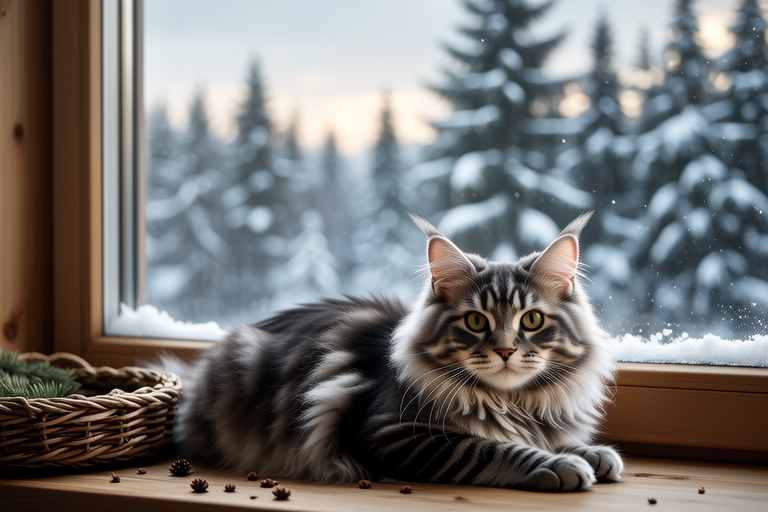
The Norwegian landscape, characterized by vast forests, rugged mountains, and extensive coastlines, significantly influences pet care practices. The harsh winter months necessitate indoor accommodations for many pets, particularly smaller breeds or those not acclimated to cold weather. Conversely, during summer, there are ample opportunities for outdoor activities, such as hiking and swimming. The availability of natural spaces encourages owners to engage in active lifestyles with their pets, promoting both physical health and emotional bonding.
Unique Pet-Related Cultural Events and Festivals
Norway hosts several unique events celebrating the bond between humans and animals. One notable example is the annual ‘Dogsled Race’ held in Tromsø, where participants compete using traditional sled dogs. Another event is the ‘Lundehund Festival,’ which celebrates the history and significance of this rare breed. These festivals not only promote awareness about specific breeds but also strengthen community ties among pet enthusiasts. They serve as platforms for education, sharing experiences, and advocating for responsible pet ownership.
Comparison with International Norms
While many countries share similar values regarding pet welfare, Norway stands out due to its comprehensive legal framework and strong emphasis on community involvement. In contrast, some nations may prioritize economic benefits over animal rights, leading to less stringent regulations. Norway’s approach emphasizes sustainability and respect for nature, aligning closely with global environmental movements. However, it remains distinct in its integration of pet care into everyday life and its celebration through culturally significant events.
Future Trends Influenced by Cultural Factors
As Norway continues to evolve, so too will its pet practices. Advances in technology promise innovations in pet care, such as smart collars for monitoring health metrics or virtual reality training tools. Increased urbanization might lead to more apartment-dwelling pets, prompting adaptations in housing designs to accommodate them better. Furthermore, growing awareness of environmental issues could inspire further integration of eco-friendly products and services within the pet industry. These developments reflect a commitment to maintaining high standards of pet welfare while embracing modern advancements.