
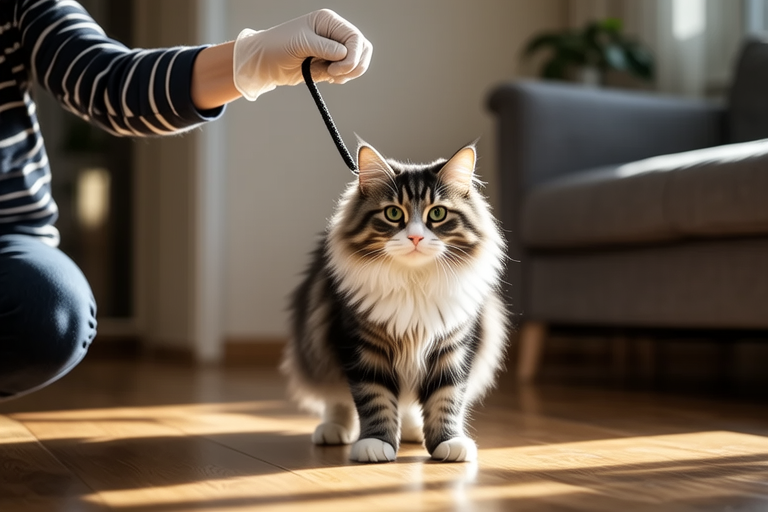
How to Train Your Norwegian Cat Like a Pro
Welcome to the world of Norwegian Forest Cats! These majestic creatures are known for their striking appearance and gentle demeanor. Originating from the icy landscapes of Norway, these cats have adapted to thrive in harsh environments. They possess a thick, water-resistant double coat that allows them to stay warm even during the coldest winter nights. Norwegian Forest Cats are also recognized for their intelligence and loyalty, making them perfect companions for those who appreciate a blend of independence and affection.
Understanding Your Norwegian Cat’s Unique Traits
Norwegian Forest Cats are not just beautiful; they are also highly intelligent and curious. Their natural instincts make them excellent climbers and hunters. These traits can sometimes lead to challenging behaviors if not properly managed. By understanding the unique characteristics of your Norwegian cat, you can tailor your training approach to suit their needs.
One of the most notable traits of Norwegian Forest Cats is their love for climbing. Providing them with tall scratching posts or cat trees will help satisfy this instinct while keeping your furniture safe. Additionally, these cats are known for their playful nature, often engaging in games that require agility and dexterity.
Essential Training Techniques
Positive Reinforcement
Positive reinforcement is a powerful tool in training any animal, including your Norwegian cat. This method involves rewarding desirable behaviors to encourage repetition. For example, when your cat uses the litter box correctly, reward it with a treat or verbal praise. Over time, your cat will associate good behavior with positive outcomes.
Clicker Training
Clicker training is another effective technique that can be used to train your Norwegian cat. This method involves using a clicker to mark the exact moment your cat performs a desired behavior. The click sound serves as a bridge between the behavior and the reward, helping your cat understand what actions earn rewards. Clicker training is particularly useful for teaching specific commands and tricks.
Litter Box Training
Litter box training is one of the first and most important steps in raising a well-behaved Norwegian cat. Start by introducing your kitten to the litter box as soon as you bring it home. Place the litter box in a quiet area away from food and water sources. Encourage your cat to explore the litter box by placing its paws inside gently. Once your cat uses the litter box, reward it with treats and praise.
If your cat has accidents outside the litter box, remain patient and consistent. Clean up the mess thoroughly without scolding your cat, as punishment may cause anxiety and stress. Instead, move the litter box closer to where the accident occurred and gradually move it back to its original location once your cat is consistently using the litter box.
Basic Commands
Teaching your Norwegian cat basic commands can enhance communication and strengthen the bond between you and your feline friend. While cats are not as trainable as dogs, they can learn simple commands with patience and consistency.
- Come: Use a consistent command word like “come” and pair it with a treat. When your cat responds, reward it immediately. Repeat this process several times a day until your cat associates the command with coming to you.
- Stay: Teach your cat to stay by using a command word like “stay” and holding out a treat. Gradually increase the distance between you and your cat while maintaining eye contact. Reward your cat for staying put.
- Leave It: This command helps prevent your cat from grabbing items it shouldn’t. Show your cat an object, say “leave it,” and wait for it to disengage. Once it does, reward it with a treat. Practice this command regularly to reinforce the behavior.
Addressing Common Behavioral Issues
Despite their intelligence and adaptability, Norwegian Forest Cats can exhibit certain behavioral issues that require attention. Some common problems include scratching furniture, excessive meowing, and aggression. Addressing these issues early on can prevent them from becoming ingrained habits.
Scratching Furniture
Scratching is a natural behavior for cats, but it can become problematic if they scratch your furniture. To redirect this behavior, provide your cat with appropriate scratching surfaces, such as scratching posts or pads. Encourage your cat to use these surfaces by placing treats near them or spraying them with catnip. If your cat continues to scratch furniture, consider using deterrent sprays or covering the areas with double-sided tape.
Excessive Meowing
Some cats, including Norwegian Forest Cats, can become overly vocal, especially when seeking attention or expressing discomfort. To reduce excessive meowing, ignore your cat when it meows for no apparent reason. Instead, reward it with attention and treats when it is calm and quiet. Consistency is key in changing this behavior.
Aggression
Aggressive behavior in cats can be caused by various factors, including fear, territoriality, or medical issues. If your cat displays aggressive tendencies, consult a veterinarian to rule out any underlying health problems. Once medical causes are ruled out, work on building trust and confidence through positive interactions and gradual exposure to triggers. In severe cases, professional behavior modification may be necessary.
Socializing Your Norwegian Cat
Socialization is crucial for ensuring that your Norwegian cat becomes a well-adjusted and confident companion. Expose your cat to different people, animals, and environments from an early age to help it develop positive associations. Gradual and controlled introductions to new experiences can help your cat feel more comfortable in various situations.
When introducing your cat to new people, allow it to approach them at its own pace. Avoid forcing interactions, as this can lead to fear or aggression. Similarly, introduce your cat to other pets gradually, under close supervision. Allow them to sniff each other and interact naturally before leaving them alone together.
Maintaining Mental Stimulation
To keep your Norwegian cat mentally stimulated, provide it with toys that challenge its intellect and physical abilities. Puzzle feeders, interactive toys, and treat-dispensing gadgets can help engage your cat’s problem-solving skills. Rotate toys periodically to prevent boredom and maintain interest. Additionally, spend quality time playing with your cat daily to foster a strong bond and promote healthy exercise.
Ongoing Training and Strengthening the Bond
Training your Norwegian cat is an ongoing process that requires dedication and patience. Continue to practice commands and positive reinforcement techniques regularly to reinforce learned behaviors. Incorporate training sessions into your daily routine, even if they are short, to keep your cat engaged and responsive.
To strengthen the bond between you and your cat, prioritize quality time spent together. Engage in activities that both of you enjoy, whether it’s playing with toys, grooming, or simply cuddling. Building a strong emotional connection with your Norwegian cat will result in a happier and healthier relationship.