
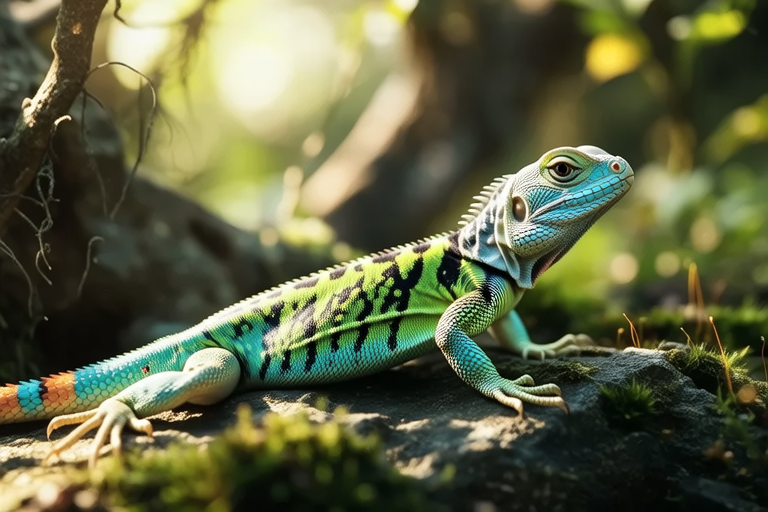
Adventures with Splendid Japalure: Tips for New and Experienced Owners
Welcome to the wonderful world of Japalura species! These captivating lizards are known for their vibrant colors and fascinating behaviors. Whether you’re a first-time owner or have been caring for Japaluras for years, this guide will provide you with valuable insights and practical advice to ensure your pet’s happiness and health.
Basic Care
Japaluras, often called the splendid Japalura, require specific care to thrive. These lizards are native to Southeast Asia and are known for their striking appearance. They are diurnal, meaning they are most active during the day. A typical enclosure for a Japalura should be at least 4 feet long, 2 feet wide, and 2 feet high to allow ample space for climbing and exploration.
One of my fondest memories is watching my Japalura climb up the branches I placed in its enclosure. It was mesmerizing to see how gracefully it moved through its environment.
Habitat Setup
The habitat setup is crucial for a Japalura’s well-being. Start by creating a secure enclosure with proper ventilation. Use a combination of live plants and artificial plants to mimic their natural environment. Live plants like pothos or spider plants are excellent choices as they are safe for reptiles and add a touch of greenery.
In addition to plants, include plenty of branches and rocks for climbing and basking. Ensure that these items are securely fastened to prevent any accidents. A shallow water dish is also essential for drinking and occasional soaking.
Once, I noticed my Japalura seemed less active than usual. After some investigation, I realized the water dish was too deep, causing discomfort. I replaced it with a shallower one, and my pet immediately became more lively again.
Diet Specifics
Japaluras are insectivores and primarily eat insects. Their diet should consist of crickets, mealworms, and waxworms. It’s important to gut-load the insects with nutritious food before feeding them to your Japalura. Gut-loading involves feeding the insects a variety of fruits and vegetables to increase their nutritional value.
Supplementing your Japalura’s diet with calcium and vitamins is also recommended, especially for growing juveniles. Dust the insects with a calcium powder supplemented with vitamin D3 twice a week and a multivitamin once a week.
I remember one time when I introduced a new type of insect into my Japalura’s diet. Initially, it was hesitant but eventually started eating them. It was rewarding to see my pet try something new.
Health Concerns
Like all animals, Japaluras can face health issues. Common problems include metabolic bone disease (MBD), respiratory infections, and parasites. MBD is caused by a lack of calcium and vitamin D3, leading to weak bones and deformities. Respiratory infections can occur if the enclosure is too cold or damp. Parasites can be introduced through contaminated food or water.
To prevent these issues, maintain a clean and hygienic environment, provide appropriate lighting, and monitor your pet’s behavior and appetite regularly. If you notice any signs of illness, such as lethargy, loss of appetite, or unusual discharge, consult a veterinarian specializing in reptiles.
One of my friends had a Japalura with a respiratory infection. The vet prescribed antibiotics, and after a few weeks of treatment, the lizard was back to its playful self.
Behavioral Tips
Japaluras are generally calm and docile, making them great pets for beginners. However, each individual has its own personality, so it’s important to respect their boundaries. Handle your Japalura gently and frequently to build trust. Avoid sudden movements or loud noises that may startle them.
Observing your Japalura’s behavior can also provide insights into its mood. For example, a relaxed lizard will usually bask calmly, while a stressed one might hide or become aggressive. Understanding these cues can help you create a comfortable environment for your pet.
My Japalura enjoys being handled but has its limits. I’ve learned to recognize when it’s had enough and give it space. This has strengthened our bond and made interactions more enjoyable.
Enrichment Activities
Providing mental stimulation is just as important as physical care. Enrichment activities can include hiding treats within the enclosure, offering novel objects to explore, and varying the types of insects offered. Rotate toys and decorations periodically to keep the environment interesting.
One fun activity I’ve tried is placing a small mirror in the enclosure. My Japalura spent hours investigating its reflection, which provided hours of entertainment for both of us.
Unique Characteristics
Japaluras possess several unique characteristics that make them stand out. Their vibrant colors, which can range from bright greens to deep blues, are one of their most striking features. They also have prehensile tails, which they use to grasp branches and aid in climbing. Their eyesight is exceptional, allowing them to spot prey from a distance.
Understanding and appreciating these traits can help you better connect with your pet and provide the care it needs. By creating an environment that mimics their natural habitat and meeting their dietary and enrichment needs, you can ensure your Japalura leads a happy and healthy life.
Adventures with Japaluras are full of joy and discovery. By following these tips and guidelines, you can provide the best possible care for your pet and enjoy many memorable moments together. Remember, every Japalura is unique, so take the time to get to know your pet’s individual preferences and needs. Happy adventures!