
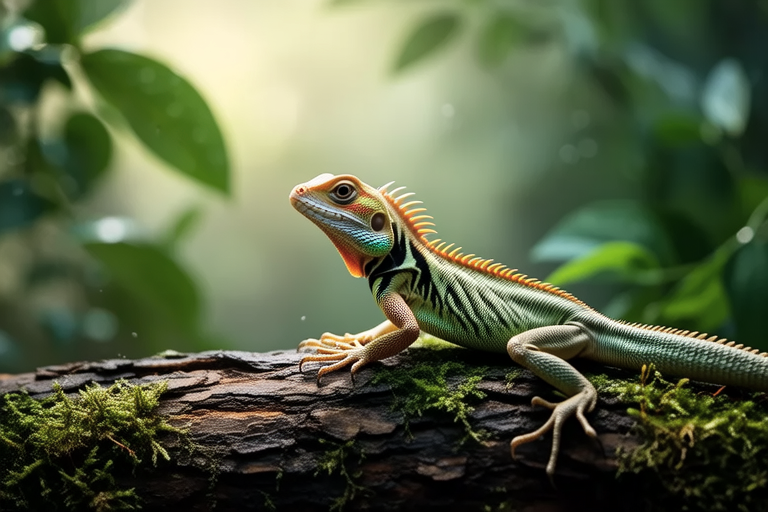
From Jungle to Home: Caring for Your New Japalure Companion
Welcome to the wonderful world of Japalures! These unique creatures, native to the lush, vibrant jungles of Southeast Asia, bring a touch of the wild into your home. Their exotic origins and fascinating behaviors make them an intriguing choice for those seeking a pet that is both captivating and demanding. This guide will help you understand what it takes to provide a loving, nurturing environment for your Japalure companion.
The Origins and Characteristics of Japalures
Japalures, also known as jungle cats, are descendants of wild felines that have adapted to life in dense, tropical forests. They are characterized by their sleek, agile bodies, sharp claws, and keen eyesight, which aid them in navigating through the thick foliage and catching prey. Their coats are typically patterned in shades of brown or black, often with stripes or spots, making them a striking addition to any household.
These animals are highly intelligent and curious, traits that have allowed them to thrive in their natural habitats. However, these same qualities mean they require a lot of attention and mental stimulation when kept as pets. Understanding their origins and behavior is crucial for creating a suitable living environment that mimics their jungle homes as closely as possible.
Transitioning from Jungle to Home
Bringing a Japalure into your home can be an exciting yet challenging experience. The transition from the wild to a domestic setting requires careful planning and consideration. When first introduced to their new environment, Japalures may exhibit signs of stress or anxiety. It’s important to give them time to acclimate to their surroundings, providing a quiet, secure space where they can feel safe and explore at their own pace.
Gradually introduce them to other areas of the house, ensuring that all spaces are cat-proofed to prevent accidents or injuries. Providing familiar items from their previous environment, such as blankets or toys, can help ease this transition. Remember, patience and consistency are key during this period.
Dietary Needs
A healthy diet is essential for maintaining the well-being of your Japalure. In the wild, they are carnivorous, feeding primarily on small mammals, birds, and reptiles. As pets, they should be fed a high-quality, meat-based diet that meets their nutritional requirements. Consult with a veterinarian to determine the appropriate type and amount of food for your specific Japalure.
In addition to commercial cat food, you can offer occasional treats like raw meat or freeze-dried insects. Avoid feeding them human food, as many common foods can be toxic to cats. Fresh water should always be available, and bowls should be cleaned regularly to maintain hygiene.
Housing and Environment
Creating a comfortable and stimulating living space is vital for your Japalure’s happiness and health. A spacious enclosure or room with climbing structures, hiding spots, and scratching posts will encourage physical activity and mental engagement. Consider the size of your Japalure and the space available in your home when choosing an appropriate area for them.
Ensure that the environment is clean and well-ventilated, and provide plenty of opportunities for exercise and exploration. Regular cleaning of litter boxes and bedding is necessary to keep your Japalure healthy and happy.
Healthcare and Veterinary Care
Regular veterinary check-ups are essential for monitoring your Japalure’s health and addressing any potential issues early on. Vaccinations, parasite control, and dental care are all important aspects of maintaining their well-being. Be vigilant about any changes in behavior or appearance, as these could indicate underlying health problems.
Your vet can also provide guidance on grooming practices, including nail trimming and brushing, to keep your Japalure looking and feeling their best. Establishing a relationship with a trusted veterinarian who has experience with exotic pets is beneficial for long-term care.
Social Interaction and Mental Stimulation
Japalures are social animals that thrive on interaction and mental challenges. Spend quality time with your Japalure each day, engaging in play and training sessions. Interactive toys, puzzles, and games can help keep them mentally stimulated and prevent boredom.
Consider enrolling them in obedience classes or agility training to enhance their skills and bond with them further. Positive reinforcement techniques work well with Japalures, rewarding good behavior with treats or praise. Socialization with other pets and people can also contribute to their overall well-being, but always ensure introductions are supervised and gradual.
Integrating Japalures into Family Life
Introducing a Japalure into your family requires thoughtful preparation and education. All members of the household should be informed about the responsibilities involved in caring for a pet. Establish clear rules and boundaries to ensure everyone understands how to interact safely with your new companion.
Children should be taught to respect the Japalure’s space and handle them gently. Supervised interactions are recommended until both parties become comfortable with one another. Encourage positive experiences between your Japalure and family members to foster a strong, affectionate bond.
The Joys of Having a Japalure Companion
Owning a Japalure is a rewarding experience that brings joy and companionship into your life. Their playful nature, intelligence, and loyalty make them beloved members of the family. With proper care and attention, they can provide years of love and laughter.
Remember, adopting a Japalure is a commitment that requires dedication and effort. By providing them with a loving home and meeting their needs, you’ll create a lasting bond that enriches both your lives.