
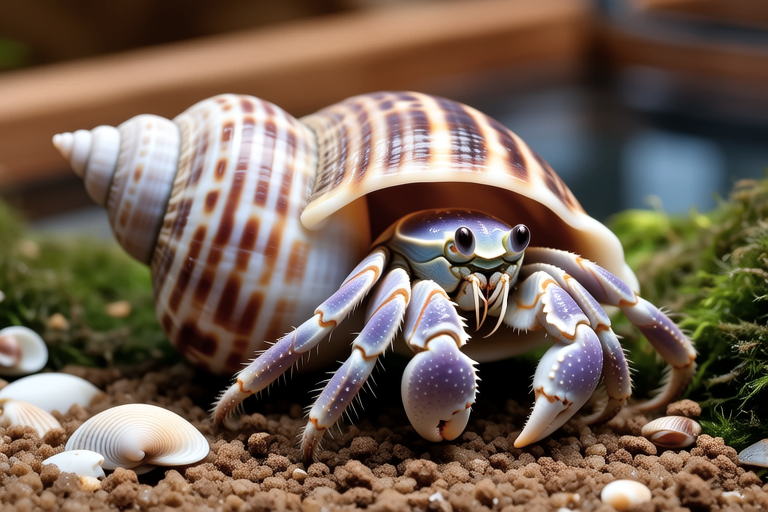
Hermit Crab Care Guide: Everything You Need To Know Before Adopting
Welcome to your comprehensive guide on how to care for hermit crabs! These fascinating creatures make delightful pets, but they require specific care to thrive. This guide will cover everything from setting up their habitat to understanding their dietary needs and common health issues.
Choosing the Right Hermit Crab
Before bringing home your new pet, it’s important to choose the right hermit crab. Consider factors such as species, size, and temperament. Popular choices include the Ecuadorian hermit crab and the Caribbean hermit crab. Research each type thoroughly to ensure you’re making an informed decision.
Habitat Setup
Your hermit crab’s habitat should mimic its natural environment as closely as possible. A glass aquarium with a secure lid is ideal. The tank should be at least 10 gallons per crab to allow enough space for climbing and exploration.
Substrate: Use a deep layer of sand or coconut fiber. Avoid calcium-based sands which can harm the crabs’ delicate gills.
Decorations: Provide plenty of shells for your hermit crabs to explore and potentially switch into. Include rocks, driftwood, and other structures for climbing.
Water: Offer both fresh and salt water dishes. Change them regularly to prevent bacterial growth.
Temperature and Humidity Requirements
Hermit crabs are tropical animals that need a warm and humid environment. Maintain temperatures between 75°F and 85°F (24°C and 29°C). Use a thermometer and hygrometer to monitor these conditions accurately.
Humidity: Aim for 70-80% humidity. This can be achieved by misting the enclosure daily or using a humidifier. Ensure there’s good air circulation to prevent mold growth.
Diet Specifics
Hermit crabs are omnivorous, meaning they eat both plant and animal matter. Feed them a balanced diet of fruits, vegetables, proteins, and commercial hermit crab food.
Fruits and Vegetables: Offer a variety like apples, bananas, carrots, and spinach. Remove uneaten portions to prevent spoilage.
Proteins: Include lean meats, fish, and boiled eggs. Avoid processed foods and high-fat items.
Calcium Sources: Provide crushed eggshells or cuttlebone to support shell health.
Supplements: Occasionally offer supplements specifically formulated for hermit crabs.
Handling Tips
Handle your hermit crabs gently and infrequently to avoid stress. Always wash your hands before and after handling to prevent transferring oils or chemicals.
Using Tools: Use tongs or gloves when necessary. Never pick up a crab by its shell.
Common Health Issues
Like any pet, hermit crabs can face health challenges. Regular observation can help catch issues early.
Shell Rot: Caused by bacteria or fungi. Clean the shell and treat with antifungal medication if necessary.
Gill Problems: Symptoms include difficulty breathing. Increase humidity and consult a veterinarian if the problem persists.
Parasites: Keep the enclosure clean and inspect your crabs regularly for signs of parasites.
Maintenance and Cleaning
Regular maintenance ensures your hermit crabs remain healthy and happy. Clean the substrate and decorations weekly, and change the water dishes daily.
Deep Cleaning: Perform a thorough cleaning every few months. Remove all decorations and replace the substrate.
Interaction and Enrichment
While hermit crabs are nocturnal, they can be observed during the day. Provide enrichment activities like hiding spots and tunnels to stimulate their natural behaviors.
Legal and Ethical Considerations
Research local laws regarding exotic pets. Some areas may have restrictions on keeping hermit crabs as pets. Always purchase your crabs from reputable sources that prioritize ethical practices.
Conclusion
Caring for hermit crabs is a rewarding experience, but it comes with significant responsibilities. By providing the right environment, diet, and care, you can ensure your hermit crabs live long, healthy lives. Remember, adopting a pet is a commitment that requires time, effort, and dedication.