
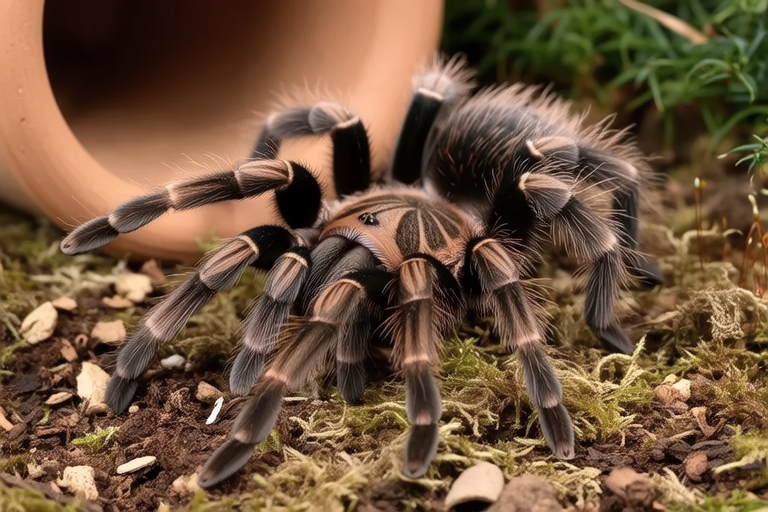
Living with a Chilean Rose Tarantula: Tips for First-Time Owners
Welcome to the fascinating world of tarantulas! Among the various species that captivate arachnophiles, the Chilean Rose Tarantula stands out as one of the most popular choices for pet owners. Known for their docile nature and vibrant coloration, these spiders make excellent first pets for those new to the hobby. In this guide, we’ll walk you through everything you need to know about living with a Chilean Rose Tarantula, from setting up the perfect habitat to ensuring your pet’s well-being.
The Popularity of Chilean Rose Tarantulas
The Grammostola rosea, commonly known as the Chilean Rose Tarantula, hails from the deserts of Chile, Argentina, and Bolivia. This species has gained immense popularity due to its manageable size, relatively calm demeanor, and striking pinkish-brown coloration. Their hardiness and ease of care have made them a favorite among novice and experienced tarantula enthusiasts alike.
Setting Up the Perfect Habitat
Tank Size
Adequate space is crucial for your tarantula’s comfort and health. For a single adult, a 10-gallon tank (approximately 40 liters) is sufficient. Juveniles can be housed in smaller enclosures, but always ensure they have enough room to grow comfortably.
Substrate
The substrate serves multiple purposes: it provides burrowing material, helps maintain humidity, and aids in digestion. Coconut fiber or a mixture of peat moss and vermiculite works well. Avoid using cedar shavings, as they can be harmful to your pet.
Temperature and Humidity
Maintaining the correct environment is vital. The ideal temperature range is between 75°F and 85°F (24°C to 29°C). Use a heat mat or under-tank heater to achieve this. As for humidity, aim for 60% to 70%. A hygrometer will help monitor this accurately.
Hiding Spots
Providing ample hiding spots is essential for your tarantula’s mental well-being. Half logs, cork bark, or commercially available caves offer suitable options. These hideouts mimic natural environments, making your pet feel secure.
Feeding Habits and Suitable Prey
Chilean Rose Tarantulas are opportunistic feeders. In captivity, they thrive on a diet of crickets, mealworms, and occasionally dubia roaches. Feed juveniles every 5-7 days, while adults can be fed once a week. Always remove uneaten prey after a day to prevent stress or injury to your tarantula.
Handling and Interaction Guidelines
While Chilean Rose Tarantulas are generally docile, handling should be approached with caution. Start by gently placing your hand in the enclosure, allowing your tarantula to crawl onto your palm. Never grab or squeeze your pet. Regular, gentle interactions can strengthen your bond and help your tarantula become more comfortable around you.
Maintaining Health and Recognizing Illness
Regular observation is key to maintaining your tarantula’s health. Signs of distress include lethargy, refusal to eat, or changes in behavior. If you notice any of these symptoms, consult a veterinarian specializing in exotic animals. Preventive care includes keeping the enclosure clean and free from contaminants.
The Rewards of Owning a Chilean Rose Tarantula
Owning a Chilean Rose Tarantula offers numerous rewards. Watching your pet grow and thrive brings a sense of accomplishment. Additionally, caring for a tarantula teaches responsibility and patience. Remember, the health and happiness of your pet should always come first.
In conclusion, living with a Chilean Rose Tarantula can be a delightful and enriching experience. By providing the right habitat, proper care, and regular attention, you can ensure your pet enjoys a long and healthy life. Embrace the journey of responsible ownership, and enjoy the unique companionship of your Chilean Rose Tarantula.