
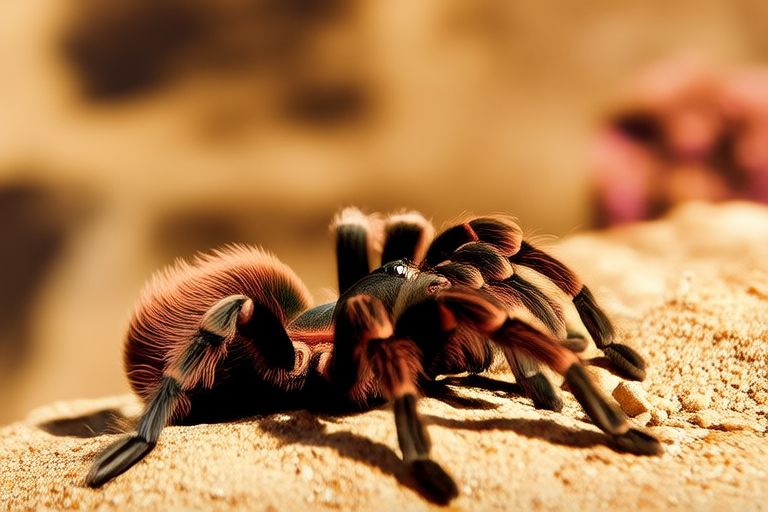
Survival Skills: What Every Chilean Rose Tarantula Owner Needs to Know
Welcome to the world of Chilean rose tarantula ownership! These captivating creatures, scientifically known as Grammostola rosea, are among the most popular pet tarantulas due to their manageable size, docile nature, and relatively low maintenance requirements. However, like any pet, they require specific care to thrive. This guide will walk you through essential survival skills every owner should know, from setting up the perfect habitat to recognizing signs of distress.
Understanding Your Pet
The Chilean rose tarantula is native to the arid regions of South America, including Chile, Argentina, and Uruguay. They typically reach lengths of 3 to 5 inches, with females living up to 20 years and males around 5 years. Their natural environment is characterized by sparse vegetation and rocky terrain, which influences their housing needs.
Habitat Setup
Creating a suitable habitat is crucial for your tarantula’s well-being. Here’s how to set it up:
- Terrarium Size: A 10-gallon tank is adequate for an adult. Ensure the enclosure is escape-proof with a secure lid.
- Substrate: Use a 4-inch deep layer of coconut fiber or reptile bark. This substrate should be kept slightly damp to mimic their natural environment.
- Hiding Spots: Provide ample hiding spots such as cork bark or half logs. Tarantulas need these areas to feel safe and secure.
- Temperature & Humidity: Maintain temperatures between 75°F and 85°F (24°C to 29°C). Humidity levels should range from 60% to 80%. Use a hygrometer and thermometer to monitor conditions.
- Cleaning: Spot clean daily and perform a full cleaning every two weeks. Remove waste and replace substrate as needed.
Feeding Guidelines
Chilean rose tarantulas are carnivorous and primarily feed on live insects. Here’s what you need to know:
- Diet: Offer crickets, mealworms, or dubia roaches. Feed adults once a week, juveniles more frequently.
- Size of Prey: The prey should be no larger than the width of the tarantula’s abdomen.
- Supplements: Dust feeder insects with calcium powder to ensure your tarantula receives necessary nutrients.
- Handling Prey: Always place food items directly into the enclosure to prevent stress.
Handling Dos and Don’ts
While tarantulas can be handled, it requires careful consideration:
- Do: Handle your tarantula gently, supporting its entire body. Use a tarantula hook or tongs if necessary.
- Don’t: Never grab or squeeze your tarantula. Avoid handling during shedding or molting periods.
- Precautions: Wash hands before and after handling. Be aware that some tarantulas may flick urticating hairs, which can cause irritation.
Common Health Issues
Like all pets, tarantulas can face health challenges. Recognizing these issues early is key:
- Molting Problems: During molting, tarantulas may flip onto their backs. Monitor closely but avoid interference unless absolutely necessary.
- Respiratory Issues: Signs include rapid breathing or webbing over the mouth. Consult a veterinarian specializing in exotic animals.
- Injuries: Watch for missing legs or other injuries, which could indicate aggressive handling or predator attacks.
Signs of Distress
Knowing when your tarantula is stressed or unwell is vital. Look out for these signs:
- Lethargy: Unusual lack of movement or interest in surroundings.
- Poor Appetite: Refusal to eat over several days.
- Abnormal Behavior: Excessive hiding or unusual aggression.
Maintaining a Healthy, Happy Pet
To ensure your tarantula remains healthy and content, follow these additional tips:
- Regular Check-Ups: Schedule annual visits with a vet specializing in exotic animals.
- Environmental Enrichment: Introduce new toys or rearrange the habitat periodically to stimulate curiosity.
- Consistent Care: Establish a routine for feeding, cleaning, and monitoring. Consistency helps reduce stress.
Conclusion
Owning a Chilean rose tarantula can be a rewarding experience. By understanding their unique needs and providing proper care, you can ensure your pet leads a long, healthy life. Remember, patience and attention to detail are key in tarantula ownership. With this guide, you’re well-equipped to provide the best possible home for your eight-legged friend.