
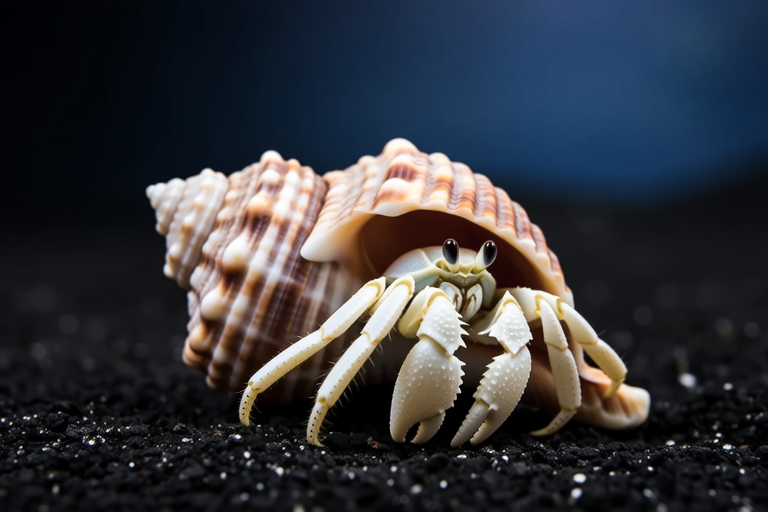
Crab in a Shell Game: How Pea Crabs Survive Their Unique Lifestyle
In the vast and diverse world of marine life, one peculiar species stands out for its unique lifestyle: the pea crab. These small crustaceans have evolved a fascinating survival strategy by living inside the shells of other organisms, primarily barnacles and certain mollusks. This article delves into the intricate details of the pea crab’s symbiotic relationship with its host, its adaptations for living inside shells, the benefits and challenges of this lifestyle, and its role within marine ecosystems.
The Symbiotic Relationship Between Pea Crabs and Their Hosts
The relationship between pea crabs and their hosts is a classic example of mutualism, where both parties benefit from each other. Pea crabs typically inhabit the mantle cavity of bivalve mollusks like oysters and clams, or the interior chambers of barnacles. By residing inside these protective enclosures, pea crabs gain shelter from predators and harsh environmental conditions. In return, they provide their hosts with a cleaning service, consuming parasites and dead tissue that could otherwise harm the host. This mutually beneficial arrangement has been honed over millions of years, ensuring the survival of both species.
The process of finding a suitable host is a delicate dance. Young pea crabs, known as megalopae, must locate a host within a critical window after molting from their larval stage. They use chemical cues released by potential hosts to guide them towards a safe haven. Once inside, the pea crab undergoes significant anatomical changes to fit snugly within its new home. This adaptation includes flattening their bodies and developing specialized appendages that help them move around inside the shell without disturbing their host.
Adapting to Life Inside Shells
Living inside shells presents both advantages and disadvantages for pea crabs. On one hand, it provides them with protection against predators and extreme weather conditions. However, this lifestyle also comes with its own set of challenges. For instance, space constraints can limit the crab’s growth, leading to stunted development compared to their free-living counterparts. Additionally, sharing a limited food supply with their host can sometimes lead to competition.
To overcome these obstacles, pea crabs have developed remarkable physiological adaptations. Their flattened bodies allow them to maneuver efficiently within tight spaces, while their elongated legs enable them to reach food sources outside the shell. Moreover, pea crabs possess highly efficient digestive systems capable of extracting nutrients from a wide range of organic matter, including detritus and microorganisms. These adaptations ensure that even in cramped quarters, pea crabs can thrive.
Benefits and Challenges of the Pea Crab’s Unique Lifestyle
The symbiotic relationship between pea crabs and their hosts offers numerous benefits for both parties. For the pea crabs, living inside shells provides protection from predators and harsh environmental conditions. It also allows them to conserve energy by reducing the need for constant movement and searching for food. Meanwhile, the hosts benefit from having a cleaner living environment thanks to the pea crabs’ consumption of parasites and dead tissue.
However, there are also challenges associated with this lifestyle. One major issue is the risk of being expelled from the host if the host becomes stressed or injured. In such cases, the pea crab may be forced to find a new home quickly, which can be difficult given the competitive nature of finding suitable hosts. Another challenge is the limited availability of resources within the confined space of the shell. As mentioned earlier, this can lead to competition between the pea crab and its host for food, potentially affecting both organisms’ health.
The Role of Pea Crabs in Marine Ecosystems
Pea crabs play an important role in maintaining the balance of marine ecosystems. By controlling parasite populations and keeping host tissues clean, they contribute to the overall health of their hosts and, by extension, the broader ecosystem. Furthermore, their presence can influence the behavior and distribution of other species within the area. For example, the presence of pea crabs might deter some predators from attacking their hosts, thereby indirectly protecting other members of the community.
Pea crabs also serve as an essential food source for various marine animals. Their small size makes them easy prey for fish, birds, and larger crustaceans, contributing to nutrient cycling within the ecosystem. This interdependence highlights the importance of preserving habitats that support both pea crabs and their hosts, ensuring the continued functioning of healthy marine environments.
Interesting Facts About Pea Crabs
Pea crabs are fascinating creatures with many intriguing characteristics. One notable feature is their ability to reproduce within the confines of their host’s shell. Male pea crabs release sperm into the water, which females then collect and store until they are ready to mate. Once fertilized, the female lays her eggs inside the shell, where they develop until they hatch into larvae.
Another interesting aspect of pea crab biology is their diet. While they primarily feed on parasites and dead tissue within their host, they are opportunistic feeders and will consume whatever food sources are available. This flexibility allows them to survive in a variety of environments, from shallow coastal waters to deep-sea habitats.
Despite their adaptability, pea crabs face several threats in today’s changing oceans. Pollution, habitat destruction, and climate change all pose risks to their survival. As human activities continue to impact marine ecosystems, it becomes increasingly important to understand and protect these unique creatures and their vital roles within the web of life.
Conclusion
The story of pea crabs is one of resilience and ingenuity. Through their symbiotic relationships with barnacles and mollusks, these tiny crustaceans have found a way to thrive in challenging environments. Their adaptations for living inside shells, along with their contributions to marine ecosystems, make them an integral part of oceanic biodiversity. As we continue to explore and appreciate the wonders of our planet’s waters, let us not forget the humble pea crab – a true survivor in the great game of life.