
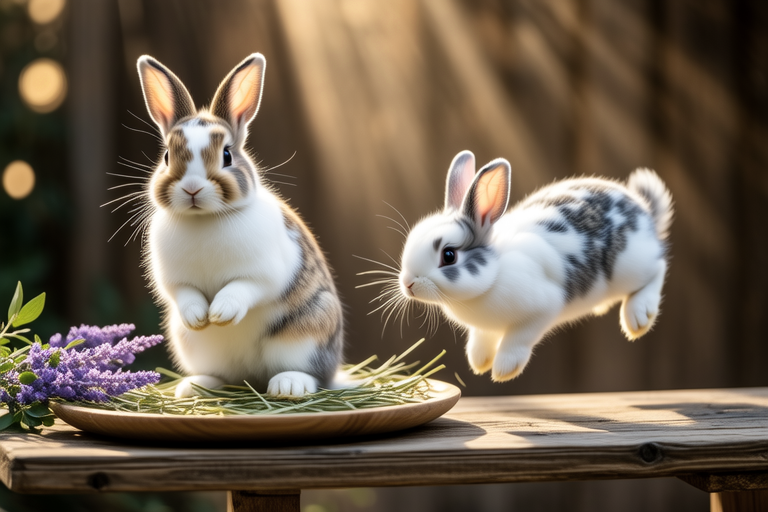
From Playful to Quiet Companions: What Makes Dutch Dwarf Rabbits Stand Out?
Dutch Dwarf rabbits are among the most charming and delightful pets one can have. Their unique blend of playfulness and quiet companionship makes them a standout choice for many pet owners. This article explores the distinct features that set Dutch Dwarf rabbits apart from other breeds, highlighting their size, temperament, care requirements, and suitability as pets.
A Small but Mighty Breed
One of the most notable features of Dutch Dwarf rabbits is their petite size. These rabbits typically weigh between 1.8 to 2.3 kg (4 to 5 lbs), making them one of the smallest rabbit breeds. Their compact size is perfect for small homes or apartments, and they require less space compared to larger breeds like Flemish Giants or Continental Giants.
Their diminutive stature does not hinder their energy levels or activity. Despite their small size, Dutch Dwarfs are full of life and can be quite active, especially during the day when they are most alert and playful. Their agility and speed are surprising for such tiny creatures, and they can often be seen hopping around their enclosure with great enthusiasm.
Temperament and Personality
Dutch Dwarf rabbits are known for their friendly and docile nature, which makes them excellent pets for families and individuals alike. They are generally gentle and affectionate, and many enjoy being handled and cuddled. However, like all animals, each Dutch Dwarf has its own personality, and some may be more reserved or shy than others.
What sets Dutch Dwarfs apart is their ability to transition seamlessly from playful to quiet companions. They are energetic during playtime but also appreciate peaceful moments. This dual nature allows them to adapt to different environments and situations, making them versatile pets. Their calm demeanor in quieter settings can be particularly appealing to those who prefer a companion that does not demand constant attention.
Compared to breeds like the Netherland Dwarf, which can sometimes exhibit more skittish behavior, Dutch Dwarfs tend to be more relaxed and approachable. This makes them easier to handle and train, which can be beneficial for new rabbit owners.
Care Requirements
While Dutch Dwarfs are relatively low-maintenance pets, they still require proper care to ensure they live long, healthy lives. Their small size means they need smaller living spaces, but these must be safe and comfortable. A minimum of 6 square feet per rabbit is recommended for indoor enclosures, ensuring ample room for exercise and exploration.
Diet plays a crucial role in maintaining the health of Dutch Dwarfs. Their diet should primarily consist of hay, fresh vegetables, and a limited amount of pellets. It’s important to avoid overfeeding, as obesity can lead to various health issues, including heart disease and joint problems. Regular access to clean water is also essential.
Grooming is another aspect of care that requires attention. Dutch Dwarfs have short, dense fur that needs regular brushing to prevent matting and hairballs. During shedding seasons, more frequent grooming may be necessary. Additionally, their nails should be trimmed regularly to prevent overgrowth, which can cause discomfort and mobility issues.
Veterinary care is vital for Dutch Dwarfs. Regular check-ups help in early detection and treatment of any health issues. Vaccinations against common diseases and routine deworming are also recommended. Spaying or neutering is advised to prevent reproductive health issues and unwanted behaviors.
Suitability as Pets
Dutch Dwarf rabbits are highly suitable as pets due to their manageable size, friendly disposition, and ease of care. They are particularly popular among apartment dwellers and first-time rabbit owners. Their small footprint means they are ideal for smaller living spaces, and their affectionate nature makes them great companions for children.
However, it’s important to note that rabbits, including Dutch Dwarfs, are social animals and thrive in the company of others. If possible, keeping two Dutch Dwarfs together can provide them with the companionship they need. This setup also helps in reducing loneliness and stress, promoting better mental health.
When considering a Dutch Dwarf as a pet, it’s essential to understand their specific needs and the commitment involved. Providing a stimulating environment with toys, tunnels, and hiding spots can enrich their lives and keep them mentally engaged. Patience and consistency in training are key to fostering a strong bond with your Dutch Dwarf.
Playful Moments and Quiet Times
Dutch Dwarf rabbits excel at balancing playful and quiet moments, making them adaptable companions. Their playful nature is evident in their energetic hops and jumps, especially when exploring new areas or interacting with toys. They enjoy chewing on items like cardboard boxes or wooden chew toys, which not only entertain them but also help maintain their dental health.
Despite their playful tendencies, Dutch Dwarfs also value quiet times. They can be content lounging in a cozy corner of their enclosure or resting on your lap. Their ability to switch between active and serene states makes them versatile companions who can fit into various household routines.
This duality in their behavior can be attributed to their natural instincts. In the wild, rabbits spend much of their time foraging for food and avoiding predators. Domesticated Dutch Dwarfs retain some of these instincts, leading to periods of high activity followed by rest. Understanding and respecting this cycle can help owners provide the best care for their pets.
Comparisons with Other Breeds
When compared to other rabbit breeds, Dutch Dwarfs stand out for their unique combination of size, temperament, and care requirements. For instance, while Netherland Dwarfs share similar sizes and temperaments, they may require more attention due to their tendency towards nervousness. On the other hand, larger breeds like Angoras or Lionheads, while beautiful, may not be as suitable for small spaces or first-time owners.
Dutch Dwarfs offer a balanced approach, combining the benefits of a smaller breed with a more stable temperament. This makes them a versatile choice for a wide range of pet owners. Their adaptability and ease of care make them an excellent option for those looking for a loving and interactive pet.
Conclusion
Dutch Dwarf rabbits are truly special companions, offering a delightful mix of playfulness and tranquility. Their small size, friendly temperament, and manageable care requirements make them ideal pets for many households. By understanding their unique needs and providing proper care, owners can ensure their Dutch Dwarf rabbits lead happy, healthy lives.
Whether you’re a seasoned rabbit enthusiast or considering your first pet, Dutch Dwarfs are worth exploring. Their charm, adaptability, and affectionate nature make them standout companions, sure to bring joy and comfort to any home.