
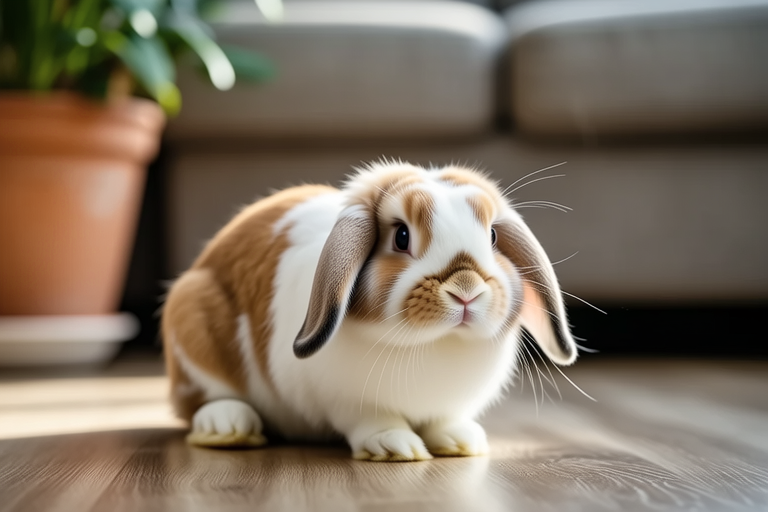
From Hopping to Happiness: All You Need to Know About Dutch Dwarf Rabbits
Dutch Dwarf rabbits are one of the most charming and delightful companions you can have. With their distinctive white blaze and compact size, these little creatures are not only adorable but also incredibly popular among pet owners. Their small stature and gentle nature make them perfect for both first-time and experienced rabbit enthusiasts. In this article, we will explore everything you need to know about Dutch Dwarf rabbits, from their origins to their care requirements, so that you can enjoy the happiness they bring into your home.
The Origins of Dutch Dwarf Rabbits
The Dutch Dwarf rabbit originated in the Netherlands in the early 20th century. Breeders sought to create a smaller version of the Dutch rabbit by crossbreeding it with smaller breeds like the Netherland Dwarf. The result was a rabbit that retained the classic markings of the Dutch breed but with a much smaller size, making them ideal as pets. Today, the Dutch Dwarf rabbit is recognized by various rabbitry organizations around the world and continues to grow in popularity due to its appealing appearance and easy-going temperament.
Ideal Living Conditions for Dutch Dwarf Rabbits
Creating a suitable living environment for your Dutch Dwarf rabbit is crucial for their well-being. These rabbits thrive in spacious enclosures that allow them to move freely. A minimum of 4 square feet per rabbit is recommended, but larger spaces are always better. Provide a cage with solid flooring or wire mesh with ample padding to prevent foot injuries. The enclosure should be placed in a quiet area away from direct sunlight and drafts. Additionally, include toys and tunnels to keep your rabbit mentally stimulated and physically active.
Dietary Needs of Dutch Dwarf Rabbits
A healthy diet is essential for maintaining the health and vitality of your Dutch Dwarf rabbit. The cornerstone of their diet should be unlimited access to high-quality hay, such as timothy hay, which aids digestion and keeps their teeth in check. Pellets formulated specifically for rabbits should be provided in limited quantities, usually about 1/8 cup per day for adult rabbits. Fresh vegetables and fruits can be offered in moderation as treats. Always introduce new foods gradually to avoid digestive upset. Clean, fresh water should be available at all times.
Exercise Requirements for Dutch Dwarf Rabbits
Despite their small size, Dutch Dwarf rabbits require regular exercise to stay healthy and happy. Providing supervised time outside of their enclosure each day is highly recommended. This allows them to hop around, explore, and engage in natural behaviors. Ensure the space is safe, free of hazards, and has plenty of toys to keep them entertained. Exercise not only helps maintain their physical fitness but also reduces stress and prevents behavioral issues.
Grooming Tips for Dutch Dwarf Rabbits
Grooming your Dutch Dwarf rabbit regularly is important for their hygiene and comfort. Use a soft-bristled brush to gently remove loose fur and prevent matting. Pay special attention to areas where shedding occurs more frequently, such as the belly and hindquarters. Bathing is generally unnecessary unless absolutely required, as it can cause stress and disrupt their coat’s natural oils. Regular nail trimming may also be necessary to prevent overgrowth and discomfort. Consult with a veterinarian if you’re unsure about grooming techniques.
Common Health Issues in Dutch Dwarf Rabbits
Like any other pet, Dutch Dwarf rabbits are susceptible to certain health issues. One of the most common problems is dental disease, which can occur if their diet lacks proper abrasive elements to wear down their continuously growing teeth. Regular veterinary check-ups can help catch and address dental issues early. Other concerns include respiratory infections, gastrointestinal stasis, and obesity. Maintaining a balanced diet, providing adequate exercise, and keeping their environment clean can significantly reduce the risk of these ailments.
Tips for Choosing and Caring for a Dutch Dwarf Rabbit
When considering adding a Dutch Dwarf rabbit to your family, it’s important to choose a reputable breeder who prioritizes the health and welfare of their animals. Look for signs of good health, such as clear eyes, glossy fur, and alert behavior. Once you’ve brought your new friend home, establish a routine that includes feeding, exercise, and grooming. Spend time bonding with your rabbit by offering treats and gentle handling. Patience and consistency will help build trust and ensure a strong relationship.
The Rewarding Experience of Owning a Dutch Dwarf Rabbit
Owning a Dutch Dwarf rabbit can be an incredibly rewarding experience. These affectionate creatures form strong bonds with their owners and can provide years of companionship and joy. Watching them hop around their enclosure or curl up for a nap brings a sense of peace and happiness that few other pets can offer. Their playful nature and engaging personalities make them delightful companions, and their presence can brighten even the gloomiest days. With proper care and attention, you’ll find that your Dutch Dwarf rabbit becomes an integral part of your family, bringing laughter and love to your home.