
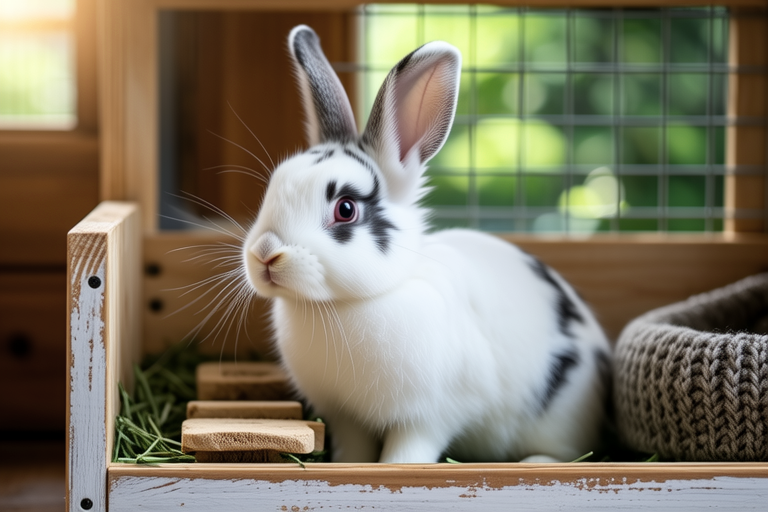
Creating an Ideal Habitat for Your Dutch Dwarf Bunny
Welcome to your comprehensive DIY guide on creating the perfect habitat for your Dutch Dwarf Bunny. Whether you’re a first-time owner or an experienced bunny enthusiast, this guide will provide you with all the necessary information to ensure your bunny has a healthy and happy living environment.
Selecting Appropriate Housing
The first step in creating an ideal habitat for your Dutch Dwarf Bunny is selecting the right type of housing. The size of the cage is crucial; it should be large enough to allow your bunny to stretch out, stand up on its hind legs without touching the top, and take a few hops. A good rule of thumb is that the cage should be at least four times the length of your bunny when stretched out.
For a single Dutch Dwarf Bunny, a minimum of 4 square feet of floor space is recommended. If you plan to keep multiple bunnies, you’ll need to increase the size accordingly. Opt for a cage with solid sides and a mesh bottom to prevent injuries from sharp edges. Additionally, choose a cage made from non-toxic materials that can be easily cleaned.
When choosing the location for your bunny’s habitat, consider factors such as proximity to natural light, temperature, and noise levels. Bunnies thrive in environments that mimic their natural habitats, so try to place the cage in a quiet area with plenty of indirect sunlight. Avoid placing the cage in direct sunlight or near heat sources, as this can lead to overheating.
Importance of Space, Ventilation, and Temperature Control
Space, ventilation, and temperature control are critical components of a healthy bunny habitat. Proper spacing ensures that your bunny has enough room to move around freely, reducing stress and promoting physical health. Adequate ventilation helps maintain clean air within the cage, preventing respiratory issues. Lastly, temperature control is essential for keeping your bunny comfortable and preventing heatstroke or hypothermia.
To achieve optimal ventilation, ensure that the cage has several openings for airflow. You can also add a small fan (placed far enough away to avoid drafts) to circulate air if necessary. For temperature control, monitor the ambient temperature in the room where the cage is located. Aim for temperatures between 60°F and 75°F (15°C and 24°C). Use a thermometer to track the temperature and adjust heating or cooling methods as needed.
Bedding Materials
Choosing the right bedding material is essential for maintaining cleanliness and comfort in your bunny’s habitat. Shredded paper, hay, and wood shavings are popular choices, but it’s important to select a bedding that is safe for your bunny. Avoid cedar and pine shavings, as they can contain harmful oils that may irritate your bunny’s respiratory system.
For bedding, consider using shredded newspaper or recycled paper products. These options are biodegradable, affordable, and easy to replace. Alternatively, you can use hay, which serves as both bedding and food. Place a layer of bedding about 2 inches deep to absorb waste and provide cushioning. Replace the bedding regularly to prevent odors and bacterial growth.
Toys and Accessories
Toys and accessories play a vital role in enriching your bunny’s life by providing mental stimulation and entertainment. Bunnies enjoy chewing, so offer a variety of chew toys made from safe materials such as untreated wooden blocks, cardboard tubes, or untreated wicker baskets. These items help satisfy your bunny’s natural urge to gnaw while keeping its teeth trimmed.
In addition to chew toys, provide tunnels, hideouts, and platforms for your bunny to explore and rest. Cardboard boxes, paper bags, and empty toilet paper rolls make excellent hideouts. You can also purchase commercially available hideouts specifically designed for small animals. Platforms and ramps encourage physical activity and allow your bunny to reach higher vantage points.
Setting Up Safe Exercise Areas
While the cage provides a secure living space, it’s equally important to create safe exercise areas outside the cage. Supervised time outside the cage allows your bunny to stretch its legs, explore, and engage in natural behaviors. Choose a spacious, bunny-proofed area free from toxic plants, electrical cords, and other hazards.
Consider setting up a dedicated playpen or enclosure within a larger room. This provides a confined space where your bunny can roam safely while minimizing the risk of damage to furniture or household items. Fill the playpen with toys, tunnels, and platforms to encourage exploration and physical activity. Rotate toys periodically to keep your bunny engaged and stimulated.
Hiding Spots
Bunnies are naturally prey animals and have a strong instinct to seek shelter. Providing hiding spots within the cage and play area helps reduce stress and anxiety. In the cage, add small cardboard boxes, tunnels, or commercially available hideouts. Outside the cage, you can create hiding spots using overturned laundry baskets, large cardboard boxes, or custom-built structures.
Ensure that hiding spots are stable and cannot topple over, as this could injure your bunny. Additionally, check the size and shape of hiding spots to ensure they provide adequate space for your bunny to comfortably fit inside. Regularly inspect hiding spots for signs of wear and tear, replacing them as needed.
Dietary Needs
A proper diet is fundamental to your bunny’s overall health and well-being. Dutch Dwarf Bunnies require a balanced diet consisting of hay, fresh vegetables, pellets, and water. Timothy hay or orchard grass hay should make up the majority of your bunny’s diet, as it aids digestion and keeps teeth healthy.
Incorporate a variety of fresh vegetables into your bunny’s diet, offering small amounts daily. Suitable vegetables include romaine lettuce, carrots, bell peppers, and spinach. Avoid feeding your bunny iceberg lettuce, as it lacks nutritional value and can cause digestive issues. Pellets formulated for rabbits should be provided in limited quantities, as overfeeding can lead to obesity.
Ensure access to fresh, clean water at all times. Consider using a water bottle with a sipper tube, as this reduces the risk of contamination and spillage. Integrate dietary elements into the habitat setup by placing hay racks and food bowls in designated areas. This encourages proper feeding habits and promotes a clean living environment.
Tips for New and Experienced Owners
Regardless of experience level, there are several tips that can help you create an ideal habitat for your Dutch Dwarf Bunny:
- Monitor Health: Regularly observe your bunny for signs of illness, such as lethargy, loss of appetite, or changes in bathroom habits. Consult a veterinarian if you notice any concerning symptoms.
- Establish a Routine: Create a consistent schedule for feeding, cleaning, and playtime. This helps establish a sense of security and predictability for your bunny.
- Gradual Adjustments: When making changes to the habitat, introduce them gradually to minimize stress. For example, slowly transition to new bedding materials or toys to allow your bunny time to adapt.
- Provide Enrichment: Offer mental and physical stimulation through toys, puzzles, and supervised outdoor time. This helps prevent boredom and promotes a healthier lifestyle.
By following these guidelines, you can create a nurturing and stimulating habitat that meets the needs of your Dutch Dwarf Bunny. Remember, a happy and healthy bunny is a result of careful planning and attention to detail. Enjoy the journey of bonding with your furry friend and watch as they thrive in their new home.