
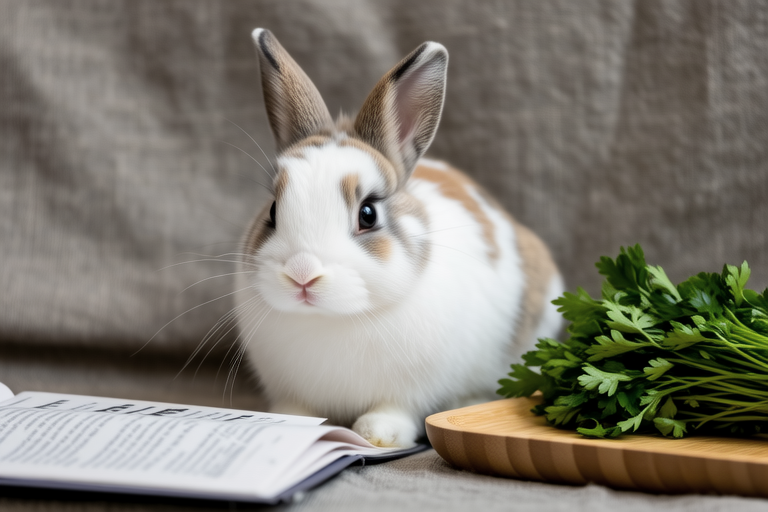
The Ultimate Dutch Dwarf Rabbit Handbook: Health, Diet, and Fun Facts
Dutch Dwarf Rabbits have captured the hearts of many pet enthusiasts with their unique appearance and delightful personalities. Known for their compact size and striking color patterns, these rabbits are a popular choice among both novice and experienced rabbit owners. Their charming features and manageable size make them an excellent companion for families and individuals alike. In this comprehensive guide, we will delve into the health, diet, and fun facts surrounding Dutch Dwarf Rabbits to help you provide the best care for your furry friend.
Health
Keeping your Dutch Dwarf Rabbit healthy requires attention to several key areas, including regular veterinary check-ups, proper grooming, and awareness of common diseases. Early detection and prevention can significantly improve your rabbit’s quality of life and longevity.
Common Diseases
Like any other pet, Dutch Dwarf Rabbits are susceptible to various health issues. Some of the most common ailments include:
- Upper Respiratory Tract Infections: These infections can be caused by bacteria or viruses and often manifest as sneezing, runny nose, or watery eyes. It is crucial to consult a veterinarian at the first sign of symptoms.
- Gastrointestinal Stasis: Also known as bunny bloat, this condition occurs when the digestive system slows down or stops functioning properly. Symptoms include decreased appetite, lethargy, and infrequent defecation. Ensuring a balanced diet and providing plenty of hay is essential for preventing this issue.
- Dental Problems: Overgrown teeth can cause significant discomfort and affect your rabbit’s ability to eat. Regular dental checks by a professional are necessary to prevent this problem.
Grooming Needs
Regular grooming is vital for maintaining your Dutch Dwarf Rabbit’s health and appearance. These rabbits have short, dense fur that sheds seasonally. Brushing your rabbit weekly during shedding periods will help remove loose hair and reduce the risk of hairballs. Use a soft-bristled brush to avoid irritating their skin. Additionally, it’s important to trim your rabbit’s nails every few weeks to prevent overgrowth and discomfort.
Maintaining Well-Being
To ensure your Dutch Dwarf Rabbit stays healthy and happy, follow these tips:
- Provide a spacious, clean living environment with adequate ventilation and temperature control.
- Ensure access to fresh water and unlimited hay, which aids digestion and provides essential nutrients.
- Offer a variety of fresh vegetables and fruits as treats, but always introduce new foods gradually to monitor for adverse reactions.
- Handle your rabbit gently and regularly to build trust and strengthen your bond.
Diet
A well-balanced diet is crucial for the overall health and well-being of your Dutch Dwarf Rabbit. Understanding the specific nutritional requirements of your rabbit will enable you to provide the best care possible.
Ideal Foods
The primary component of a Dutch Dwarf Rabbit’s diet should be high-quality hay, such as timothy or orchard grass hay. Hay is essential for maintaining good digestive health and providing necessary fiber. Pellets formulated specifically for rabbits should be provided in limited quantities, as they are high in calories and can lead to obesity if overfed.
Vegetables and fruits can be offered as occasional treats. Some safe options include dark leafy greens like romaine lettuce, parsley, and spinach; root vegetables like carrots and beets; and fruits like strawberries and blueberries. Always wash produce thoroughly before feeding to remove any pesticides or chemicals.
Portion Sizes
Proper portion control is vital to prevent obesity and related health problems. A general guideline is to offer one tablespoon of pellets per two pounds of body weight daily. Unlimited hay should always be available, while vegetables and fruits should be given in moderation, approximately one cup per four pounds of body weight daily.
Nutritional Requirements
Your Dutch Dwarf Rabbit requires a balanced diet rich in fiber, protein, vitamins, and minerals. Hay provides the necessary fiber for healthy digestion, while pellets supply essential nutrients. Fresh vegetables and fruits offer additional vitamins and minerals. Avoid feeding your rabbit foods high in sugar or fat, as these can lead to health issues.
Fun Facts
Historical Background
The Dutch Dwarf Rabbit originated in the Netherlands in the early 20th century. Breeders sought to create a small, robust rabbit with a distinctive color pattern. The result was a compact breed with a white blaze extending from the forehead to the nose, complemented by a contrasting colored body. Today, Dutch Dwarfs are recognized by major rabbit associations worldwide for their unique appearance and friendly demeanor.
Behavioral Traits
Dutch Dwarf Rabbits are known for their playful and curious nature. They enjoy exploring their surroundings and interacting with their human companions. Providing toys and enrichment activities, such as tunnels and chew toys, can help stimulate their natural instincts and keep them entertained. Despite their small size, Dutch Dwarfs are quite active and require ample space to move around freely.
Interesting Anecdotes
One of the most fascinating aspects of Dutch Dwarf Rabbits is their adaptability. They thrive in a variety of environments, from spacious outdoor hutches to cozy indoor homes. Many owners report that their Dutch Dwarfs have distinct personalities and can even learn to recognize their names and respond to simple commands. These intelligent creatures often form strong bonds with their owners, making them beloved pets.
In conclusion, Dutch Dwarf Rabbits are delightful companions with unique characteristics and specific care requirements. By understanding their health needs, dietary preferences, and behavioral traits, you can provide the best possible care for your furry friend. With proper attention and affection, your Dutch Dwarf Rabbit will bring joy and companionship to your home for years to come.