
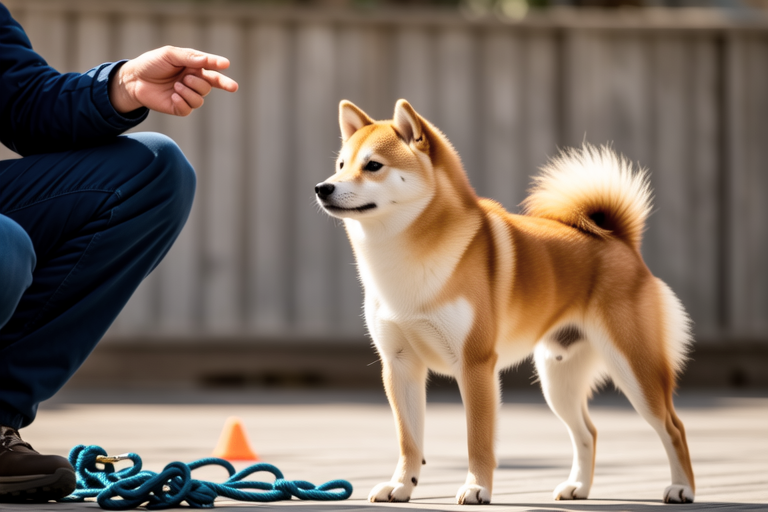
How to Train a Shiba Inu Like a Pro: Tips from Expert Dog Trainers
The Shiba Inu is a breed known for its independence, intelligence, and spirited nature. Training a Shiba Inu can be challenging due to these traits, but with the right approach, you can turn your Shiba into a well-behaved and loyal companion. This article provides practical training techniques tailored for Shiba Inus, offering insights from expert dog trainers on understanding their independent nature, effective positive reinforcement methods, consistency in training routines, handling stubborn behaviors, and building strong bonds through trust and respect.
Understanding the Shiba Inu’s Independent Nature
Shiba Inus have a reputation for being independent thinkers. This trait makes them both fascinating and challenging to train. Unlike more obedient breeds, Shibas may not always follow commands immediately. To effectively train a Shiba Inu, it’s crucial to understand this aspect of their personality.
Experts suggest that the key is to engage the Shiba’s natural curiosity and problem-solving abilities. Instead of forcing the dog to comply, create an environment where the Shiba feels motivated to learn. Use games and puzzles that stimulate their mind and reward them for correct responses. This approach not only makes training sessions enjoyable but also taps into the Shiba’s inherent desire to explore and discover.
Effective Positive Reinforcement Methods
Positive reinforcement is a cornerstone of successful Shiba Inu training. It involves rewarding desired behaviors with treats, praise, or toys. This method encourages the Shiba to repeat those actions in the future. However, when dealing with a breed as independent as the Shiba Inu, the type of reward matters significantly.
High-value treats are essential. These could be small pieces of chicken, cheese, or their favorite dog treats. The treat should be something the Shiba finds irresistible. Timing is equally important; rewards must be given immediately after the desired behavior to ensure the Shiba associates the action with the reward.
Verbal praise and petting are also valuable tools. When the Shiba performs a command correctly, use an enthusiastic tone and offer affection. This reinforces the bond between you and your dog while teaching them what behaviors are acceptable.
Consistency in Training Routines
Consistency is crucial in any dog training program, but it is especially vital when training a Shiba Inu. Due to their independent nature, Shibas can easily become confused if commands or expectations change frequently. Establishing a consistent routine helps them understand what is expected of them.
Begin by setting clear rules and boundaries. Teach basic commands like ‘sit,’ ‘stay,’ ‘come,’ and ‘leave it’ in short, focused training sessions. Each session should last no longer than 10-15 minutes to maintain the Shiba’s attention. Repeat these sessions daily until the Shiba responds reliably.
Use the same words and hand signals consistently. For example, always say ‘sit’ when asking the Shiba to sit down. Avoid using different terms like ‘down’ or ‘squat,’ which can confuse the dog. Similarly, use the same hand gesture each time you give a command.
Handling Stubborn Behaviors
Stubbornness is one of the most common challenges faced when training a Shiba Inu. Shibas can be incredibly willful, especially when they don’t see the point of following a command. To overcome this, it’s important to approach the situation with patience and creativity.
First, identify the root cause of the stubborn behavior. Is the Shiba simply ignoring you because they’re distracted? Or do they genuinely not understand the command? Once you’ve pinpointed the issue, adjust your training strategy accordingly.
If the Shiba is distracted, try moving to a quieter area or reducing external stimuli. If they don’t understand the command, break it down into simpler steps. For instance, if teaching ‘stay,’ start by having the Shiba hold the ‘sit’ position for a few seconds before adding the ‘stay’ command.
It’s also beneficial to vary the training environment. Practice commands in different locations and situations to help the Shiba generalize the behavior. This ensures they can perform the command regardless of their surroundings.
Building Strong Bonds Through Trust and Respect
A strong bond built on trust and respect is essential for effective Shiba Inu training. Shibas are sensitive animals and can pick up on negative emotions or harsh tones. They thrive in environments where they feel secure and valued.
To build trust, spend quality time with your Shiba outside of training sessions. Engage in activities they enjoy, such as walks, playtime, or interactive games. This strengthens the emotional connection between you and your dog, making them more receptive to training.
Respect is equally important. Avoid using force or punishment during training. Instead, focus on guiding the Shiba towards the correct behavior. If they make a mistake, calmly redirect them rather than scolding. This creates a positive learning experience and fosters mutual respect.
Additionally, give the Shiba space when needed. While it’s important to establish boundaries, recognizing when the Shiba needs a break can prevent frustration and maintain a harmonious relationship.
Actionable Steps for Successful Training
To summarize, here are some actionable steps to successfully train your Shiba Inu:
- Understand Their Independence: Recognize and respect the Shiba’s independent nature. Engage their curiosity and problem-solving skills in training.
- Use Positive Reinforcement: Reward desired behaviors with high-value treats, verbal praise, and affection. Ensure rewards are given immediately after the correct behavior.
- Maintain Consistency: Set clear rules and boundaries. Use the same words and hand signals consistently throughout training sessions.
- Handle Stubbornness Creatively: Identify the cause of stubborn behavior and adjust your training strategy accordingly. Vary the training environment to help the Shiba generalize commands.
- Build Trust and Respect: Spend quality time with your Shiba outside of training. Foster a positive learning experience by avoiding force or punishment.
Training a Shiba Inu requires patience, creativity, and a deep understanding of their unique characteristics. By following the tips provided by expert dog trainers, you can successfully train your Shiba Inu and build a strong, trusting relationship. Remember, every Shiba is different, so be prepared to adapt your approach based on your individual dog’s needs and personality.