
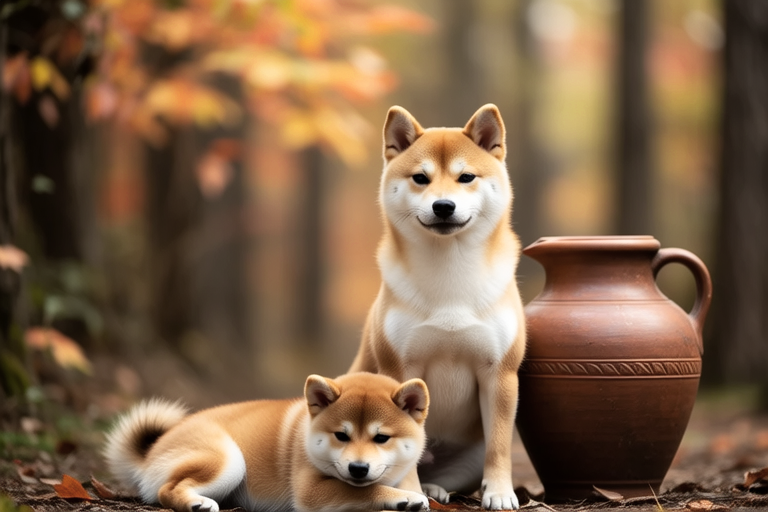
The Evolution of the Shiba Inu: From Ancient Origins to Modern Companion
The Shiba Inu is one of the oldest dog breeds native to Japan, with roots tracing back thousands of years. This small, agile, and spirited dog has been an integral part of Japanese culture for centuries, serving various roles from hunting to companionship. The breed’s journey from wild ancestry to becoming a beloved household pet is a fascinating tale of survival, adaptation, and cultural significance.
Origins and Early History
Archaeological evidence suggests that dogs similar to the Shiba Inu existed in Japan as early as 300 BCE. These early ancestors were likely used for hunting, helping humans track and capture game in the dense forests of the country. The name “Shiba” may derive from an archaic word for “brushwood,” referring to the type of thick vegetation where these dogs hunted. “Inu,” meaning “dog” in Japanese, further clarifies the breed’s identity.
During the Edo period (1603-1868), the Shiba Inu became more refined and was bred specifically for hunting purposes. They were valued for their keen sense of smell, agility, and ability to navigate rugged terrain. Their compact size made them ideal for moving swiftly through the underbrush, while their thick double coat protected them from harsh weather conditions.
Cultural Influences and Historical Periods
The Meiji Restoration (1868-1912) marked a significant turning point in the Shiba Inu’s history. As Japan opened up to Western influence, many traditional practices, including dog breeding, faced challenges. However, the Shiba Inu managed to retain much of its original characteristics due to its remote mountainous habitats.
In the early 20th century, the breed faced its greatest threat when it nearly became extinct. During World War II, food shortages and canine distemper outbreaks decimated the population. Additionally, crossbreeding with other dog types diluted the purity of the Shiba Inu. To preserve the breed, efforts were made to gather surviving purebreds and establish breeding programs.
Revival and Recognition
After the war, dedicated enthusiasts worked tirelessly to revive the Shiba Inu. In 1936, the Shiba Inu was officially recognized as a natural monument in Japan, highlighting its cultural importance. By the mid-20th century, selective breeding helped restore the breed’s distinct features and temperament.
Dr. Morie Sawataishi, often referred to as the father of the modern Shiba Inu, played a crucial role in the breed’s recovery. He emphasized the importance of maintaining the Shiba Inu’s unique traits, which include its small size, independent spirit, and loyalty to its family. His efforts laid the foundation for the breed’s resurgence both in Japan and internationally.
Distinctive Traits and Popularity
The Shiba Inu possesses several traits that have remained consistent throughout its history and contribute significantly to its enduring appeal. One of its most notable features is its small size, typically weighing between 17-23 pounds for males and 15-20 pounds for females. This compact build allows them to be highly mobile and adaptable, making them suitable for various living environments.
Another hallmark of the Shiba Inu is its thick, double coat. The outer layer consists of straight, stiff hairs, while the inner layer is soft and dense. This combination provides excellent insulation against cold weather and helps protect the dog from water and dirt. The most common colors are red, sesame (red with black tips), and black and tan.
The Shiba Inu’s independent yet loyal nature is another defining characteristic. They are known for being self-reliant and somewhat aloof, traits that stem from their hunting heritage. However, they form strong bonds with their families and are fiercely protective of their loved ones. This balance of independence and loyalty makes them ideal companions for individuals seeking a dog with a strong personality.
Experts often highlight the Shiba Inu’s intelligence and problem-solving abilities. Dr. Sawataishi noted that these dogs possess a high level of cognitive function, allowing them to learn quickly and adapt to new situations. Their intelligence also contributes to their reputation as being slightly mischievous, always finding ways to entertain themselves or their owners.
Transition to Household Companions
As the Shiba Inu’s numbers recovered, the breed began to gain popularity as a household pet. In the 1980s, the American Kennel Club (AKC) recognized the Shiba Inu, paving the way for increased awareness and acceptance in North America. Today, the Shiba Inu ranks among the top 50 most popular breeds in the United States.
The breed’s transition from hunting partner to companion animal has been gradual but successful. While still retaining some of their wild instincts, Shibas have adapted well to modern living. They require regular exercise and mental stimulation to stay happy and healthy, but their small size means they can thrive in apartments or smaller homes.
One of the reasons for the Shiba Inu’s enduring popularity is its versatility. Whether in a bustling city or a quiet countryside, these dogs can find joy in their surroundings. Their adaptability, combined with their striking appearance and charming personalities, makes them appealing to a wide range of potential owners.
Conclusion
The Shiba Inu’s journey from ancient Japan to modern households is a testament to its resilience and adaptability. From its origins as a hunting companion to its current status as a cherished pet, the breed has maintained many of its original traits. Its small size, thick coat, independent spirit, and loyalty continue to endear it to people around the world.
Experts like Dr. Sawataishi have played pivotal roles in preserving the Shiba Inu’s unique qualities. By emphasizing the importance of maintaining the breed’s purity and highlighting its distinctive attributes, they have ensured that future generations can enjoy the company of these remarkable dogs.
As the Shiba Inu continues to grow in popularity, it remains an embodiment of Japan’s rich cultural heritage. Its story serves as a reminder of the deep connection between humans and animals, and the enduring impact of selective breeding on shaping our furry friends.