
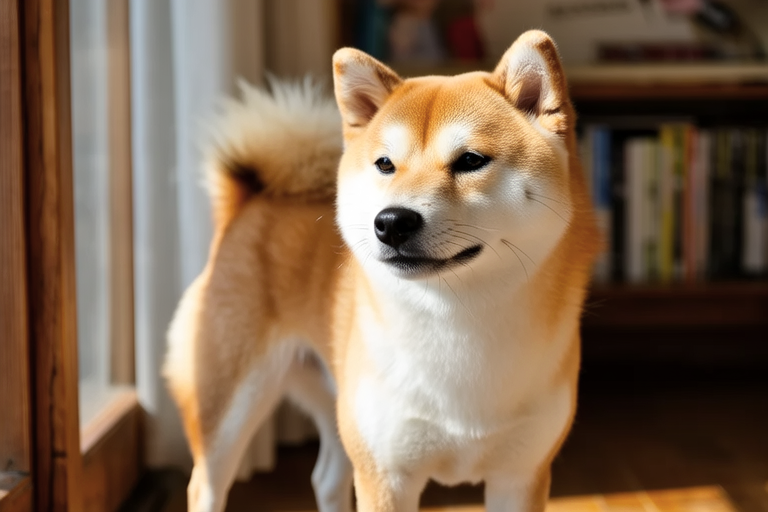
7 Surprising Facts About Shiba Inus You Didn’t Know
Fact 1: The Shiba Inu’s Ancient Origins
The Shiba Inu, often mistaken as a recent addition to the canine world, has roots that stretch back over 3,000 years. Originating from Japan, these dogs were initially bred for hunting in the mountainous regions of the country. They were particularly adept at flushing out small game such as birds and rabbits. Despite their long history, the breed nearly faced extinction during World War II due to bombing campaigns and a post-war distemper epidemic. However, through the efforts of dedicated breeders, the Shiba Inu was revived and eventually recognized by the American Kennel Club in 1992. This resilience makes them not just pets but also a testament to survival and adaptation.
Fact 2: A Unique Coat That Defies Weather
One of the most striking features of the Shiba Inu is its double coat, which serves multiple purposes beyond aesthetics. The outer coat is straight and coarse, while the undercoat is soft and thick. This combination provides excellent insulation against both cold and heat, making them well-suited to various climates. Interestingly, the Shiba Inu sheds heavily twice a year, a process known as ‘blowing coat.’ During these periods, owners must be diligent with brushing to manage the shedding. The coloration of their coats, typically red or black and tan, is also remarkable, offering camouflage in the wild—a trait that was crucial for their hunting role in ancient times.
Fact 3: Independent Yet Playful Temperament
Shiba Inus are often described as independent thinkers, a characteristic that can sometimes lead to challenges in training. However, this independence does not mean they are aloof or unaffectionate. On the contrary, Shibas form strong bonds with their families and can be quite playful, especially when young. Their intelligence requires consistent, positive reinforcement training methods. Owners who understand and respect their dog’s need for mental stimulation find it easier to establish a harmonious relationship. It’s important to note that their stubbornness can manifest in selective obedience; they may choose to ignore commands if they don’t see immediate benefit or interest in following them.
Fact 4: The Art of the “Shiba Shake”
A peculiar behavior commonly observed in Shiba Inus is what enthusiasts call the “Shiba Shake.” After waking up, after a nap, or simply because they feel like it, Shibas will suddenly shake their entire body vigorously. This action is reminiscent of a wet dog shaking off water, but there’s no apparent reason for the moisture. Experts suggest that this behavior might be linked to the breed’s hunting background, where shaking could have been used to dry off or release tension after a chase. Whatever the cause, witnessing a Shiba Inu perform this shake is both amusing and uniquely endearing.
Fact 5: Health Issues Specific to Shibas
While generally healthy, Shiba Inus are prone to certain genetic conditions that potential owners should be aware of. One notable issue is hip dysplasia, a condition affecting the hip joint that can lead to arthritis and mobility problems. Another common concern is patellar luxation, where the kneecap dislocates, causing pain and lameness. Additionally, Shibas are susceptible to eye diseases such as progressive retinal atrophy (PRA), which can lead to blindness. Regular veterinary check-ups and genetic testing can help mitigate these risks. Understanding these potential health issues allows owners to provide better care and ensure their pet lives a long, healthy life.
Fact 6: The Shiba Inu’s Role in Japanese Culture
In Japan, the Shiba Inu holds a special place in cultural heritage and symbolism. Beyond being cherished companions, Shibas are celebrated in literature, art, and even in traditional festivals. Their loyalty and adaptability have made them symbols of perseverance and resilience. In modern times, they are also popular subjects in photography and social media, often featured in viral videos showcasing their quirky behaviors. This dual role—both as beloved pets and cultural icons—highlights the deep connection between the Shiba Inu and Japanese society, reflecting a shared history and values.
Fact 7: The Shiba Inu’s Versatility in Modern Life
Despite their ancient origins and traditional roles, Shiba Inus have adapted remarkably well to contemporary lifestyles. They thrive in urban environments, provided they receive sufficient exercise and mental stimulation. Many Shibas participate in agility trials, obedience competitions, and even therapy work, demonstrating their versatility and trainability. Their compact size and low-maintenance grooming needs make them suitable for apartment living, though they require daily walks to stay physically and mentally healthy. Furthermore, their charming appearance and unique personality have made them popular choices for families seeking a loyal, loving companion that can also keep up with active lifestyles.