
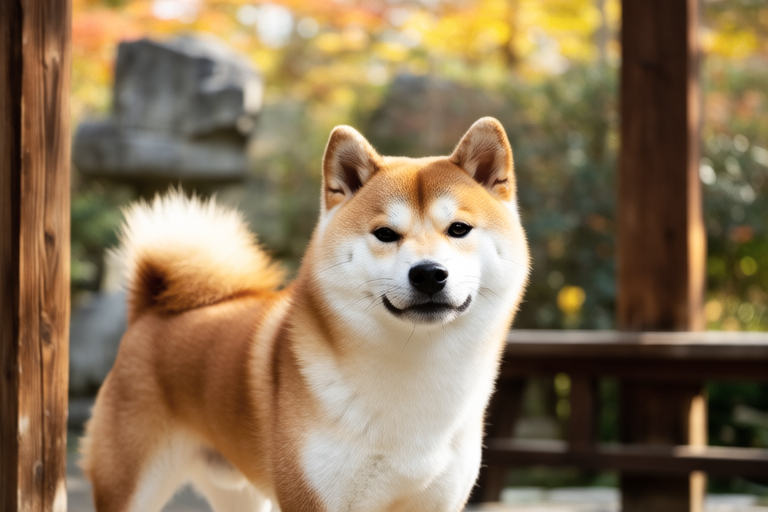
The Evolutionary Journey of the Shiba Inu: From Mountainous Regions to Global Adoration
The Shiba Inu, a small yet sturdy breed known for its fox-like appearance and spirited nature, has captivated hearts across the globe. Originating in the rugged mountainous regions of Japan, this ancient breed has traversed through various historical epochs, shaping and being shaped by the cultural and environmental landscapes it inhabited. This narrative explores the evolutionary journey of the Shiba Inu, highlighting key historical periods that significantly impacted the breed, its near extinction during World War II, and the subsequent revival efforts. Additionally, we will delve into the unique characteristics that have remained consistent throughout its history, the role of modern genetic studies, and anecdotes that illuminate the breed’s preservation and growing popularity.
Origins and Early Development
The Shiba Inu’s roots trace back over a millennium, with archaeological evidence suggesting its presence in Japan since the Jomon period (circa 14,000–300 BCE). Initially bred for hunting in the dense forests and mountainous terrains of Honshu, Shikoku, and Kyushu islands, these dogs were adept at flushing out small game and birds. Their agility, keen senses, and independent nature made them invaluable companions for hunters. The term “Shiba” likely refers to the type of underbrush (“shiba”) they hunted within, while “Inu” simply means “dog” in Japanese. Thus, the name Shiba Inu translates to “little brushwood dog.”
Historically, the breed was divided into three regional varieties: the Mino Shiba, the Shinshu Shiba, and the San’in Shiba. Each variety adapted to the specific conditions of their respective regions, leading to slight variations in size, color, and temperament. However, all shared the distinctive traits that define the breed today: a compact, muscular build; a double coat that provides insulation against cold weather; and an alert, spirited demeanor.
Preservation Efforts and Challenges
The early 20th century saw a decline in the Shiba Inu population due to crossbreeding with other dog breeds and the introduction of Western breeds. By the 1930s, the breed was濒临灭绝。然而,二战期间的破坏对这个品种构成了更大的威胁。战争导致了日本基础设施的严重破坏,许多Shiba Inu被杀死或流离失所。战后,仅剩少数幸存者,这使得该品种几乎灭绝。
尽管面临如此严峻的挑战,但一些有远见的人士致力于保护和复兴Shiba Inu。1928年,犬类爱好者小林太郎成立了日本爱犬协会(Japanese Kennel Club),旨在保存和推广本土犬种。他和其他热心人士开始收集和繁殖幸存的Shiba Inu,并制定了严格的繁殖标准。1934年,Shiba Inu被正式认可为日本原生犬种之一,这一举措为该品种的复兴奠定了基础。
战后,Shiba Inu的复兴得到了政府的支持。1936年,日本政府将Shiba Inu列为国家自然遗产,进一步强调了保护该品种的重要性。此外,日本犬协会在战后继续努力,通过组织展览、比赛和教育活动,提高公众对该品种的认识和支持。这些努力最终促成了Shiba Inu的复兴,使其成为日本最受欢迎的犬种之一。
Modern Genetic Studies and Insights
现代遗传学研究为了解Shiba Inu的发展提供了新的视角。研究表明,Shiba Inu与日本狼有着密切的亲缘关系,这是其独特外观和性格特征的重要原因。此外,遗传分析还揭示了Shiba Inu与其他古老犬种之间的联系,例如萨摩耶犬和秋田犬。这些发现不仅加深了我们对该品种起源的理解,还为未来的育种工作提供了宝贵的信息。
遗传学家们利用先进的技术,如全基因组测序和单核苷酸多态性分析,来研究Shiba Inu的基因组成。这些研究揭示了该品种在历史上如何适应不同的环境和任务。例如,某些基因变异可能与Shiba Inu的狩猎本能有关,而其他变异则与其社交行为和适应性有关。这些发现有助于我们更好地理解Shiba Inu的性格和行为,同时也为未来的育种工作提供了指导。
Unique Characteristics and Temperament
Shiba Inus are renowned for their striking appearance, which has remained relatively unchanged over centuries. Their compact bodies, triangular ears, and expressive eyes give them a fox-like look that is both charming and mysterious. The breed’s double coat, consisting of a soft undercoat and a coarse outer coat, not only protects them from harsh weather but also contributes to their elegant appearance. Shiba Inus come in three recognized colors: red, sesame (a mix of red and black hairs), and black and tan.
Besides their physical attributes, Shiba Inus are known for their independent and spirited temperaments. They are intelligent, curious, and sometimes stubborn, requiring firm but gentle training. This breed thrives on mental stimulation and enjoys activities that challenge their problem-solving skills. Despite their independent streak, Shiba Inus can form strong bonds with their owners and are loyal companions. However, they may be reserved around strangers, making them excellent watchdogs without being overly aggressive.
Anecdotes and Influential Figures
One notable figure in the preservation of the Shiba Inu is Dr. Morie Sawataishi, a veterinarian who played a pivotal role in saving the breed from extinction. In the post-war years, Sawataishi recognized the dire situation facing the Shiba Inu and dedicated his life to their rescue. He established a breeding program and worked tirelessly to promote the breed’s qualities and importance. His efforts were instrumental in reviving the Shiba Inu population and ensuring its survival for future generations.
Another anecdote involves the story of a Shiba Inu named Kana, who became an internet sensation in the early 2000s. Kana’s owner, a Japanese artist, began posting photos of her mischievous antics online, and soon the images went viral. Kana’s playful and independent personality resonated with people worldwide, helping to increase awareness and appreciation for the Shiba Inu breed. This viral moment contributed to the global popularity of Shiba Inus and inspired many to adopt or learn more about the breed.
Conclusion
The Shiba Inu’s journey from the mountainous regions of Japan to becoming a beloved domestic pet worldwide is a testament to the resilience and adaptability of this remarkable breed. Through periods of near extinction and revival, the Shiba Inu has maintained its unique characteristics and spirit, captivating hearts with its fox-like appearance and independent temperament. As genetic studies continue to shed light on the breed’s origins and development, we gain a deeper understanding of the Shiba Inu’s place in both canine history and Japanese culture. Whether through the efforts of dedicated individuals like Dr. Sawataishi or the viral fame of Kana, the Shiba Inu continues to inspire admiration and affection, ensuring its enduring legacy.