
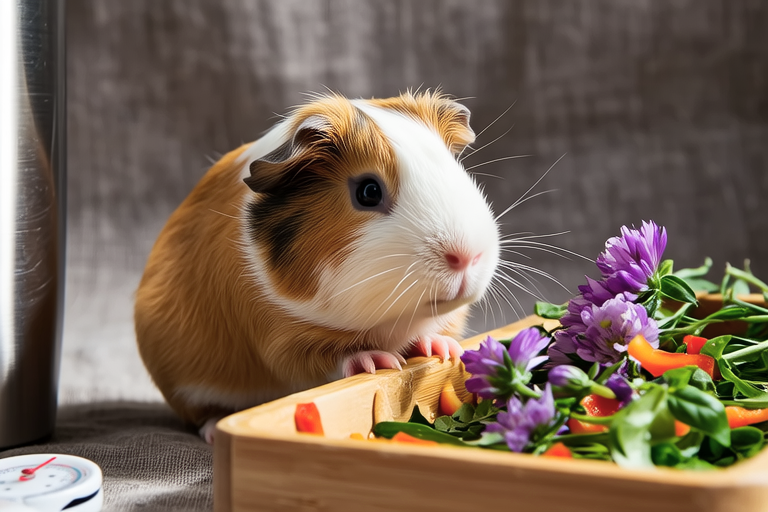
Guinea Pig Care: Tips from Expert Owners You Need to Know
Welcome to the wonderful world of guinea pig ownership! These delightful creatures bring joy and companionship to many homes. Whether you’re a first-time owner or a seasoned guinea pig guardian, there’s always more to learn about providing the best care for your furry friend. In this article, we’ll delve into essential aspects of guinea pig care, offering valuable insights from expert owners. From diet and housing to exercise, grooming, healthcare, and socialization, we’ve got you covered.
Diet: The Foundation of Guinea Pig Health
A balanced diet is crucial for your guinea pig’s overall well-being. Dr. Emily Carter, a veterinarian specializing in small animals, emphasizes the importance of hay as the cornerstone of their diet. “Guinea pigs need unlimited access to fresh timothy hay,” she explains. “It aids digestion and supports dental health.” Timothy hay is preferred over alfalfa hay for adult guinea pigs due to its lower calcium content, which helps prevent urinary tract issues.
In addition to hay, guinea pigs require a high-quality pellet feed specifically formulated for them. Look for pellets that contain vitamin C, as guinea pigs cannot produce it themselves and need it for immune function and wound healing. Fresh vegetables should also be part of their daily intake. Experts recommend a variety of greens like romaine lettuce, spinach, and parsley. However, avoid feeding them iceberg lettuce, as it lacks nutritional value and can cause digestive upset.
Fruits can be offered sparingly as treats. They are rich in sugar and should only make up about 10% of your guinea pig’s diet. Apples, bananas, and strawberries are popular choices. Always wash fruits and vegetables thoroughly before feeding them to your pet to remove any pesticides or harmful bacteria.
Common mistakes to avoid include overfeeding sugary treats and failing to provide constant access to fresh water. A water bottle with a sipper tube attached to the cage ensures your guinea pig stays hydrated throughout the day.
Housing: Creating a Comfortable Environment
The right housing setup is vital for your guinea pig’s happiness and health. Dr. Carter advises that the cage should be spacious enough for your pet to move around freely. “A minimum size of 7.5 square feet per guinea pig is recommended,” she says. “This allows room for running, playing, and stretching out.” Bigger cages are even better, especially if you have multiple guinea pigs.
Choose a cage with solid flooring rather than wire mesh, as the latter can hurt your guinea pig’s delicate feet. Line the bottom of the cage with soft bedding such as fleece or paper-based products. Avoid cedar and pine shavings, as they can irritate your pet’s respiratory system.
Provide plenty of hiding spots and tunnels within the cage. Guinea pigs are prey animals and need places where they feel safe and secure. Cardboard boxes, tunnels made from tubes, and small houses designed for pets are excellent additions.
Seasonal care involves adjusting the environment to suit changing weather conditions. During colder months, ensure your guinea pig stays warm by adding extra bedding. In summer, keep the cage in a cool area away from direct sunlight and provide shade and ventilation to prevent overheating.
Exercise: Keeping Your Guinea Pig Active and Healthy
Regular exercise is key to maintaining your guinea pig’s physical and mental well-being. While their cage provides a space for daily activity, it’s important to allow them time outside of it each day. Sarah Thompson, a dedicated guinea pig owner, shares her experience. “I set up a play area in my living room with ramps, tunnels, and toys. My guinea pigs love exploring and interacting with me during these sessions.”
Supervise your guinea pig while they’re out of their cage to ensure their safety. Remove any potential hazards, such as electrical cords or small objects that could be swallowed. Exercise time also offers an opportunity for bonding and training. You can teach your guinea pig simple tricks or use clicker training techniques.
Exercise wheels designed for guinea pigs can be used inside the cage, but they should be chosen carefully. Look for smooth, non-slip surfaces that won’t harm your pet’s back or legs. Some experts suggest alternative forms of exercise, like tunnels or obstacle courses, as they mimic natural behaviors more closely.
Avoid letting your guinea pig become overweight, as excess weight can lead to health problems. Monitor their body condition regularly and adjust their diet and exercise routine accordingly.
Grooming: Maintaining Your Guinea Pig’s Appearance and Health
Proper grooming keeps your guinea pig looking and feeling their best. Regular brushing helps remove loose fur and prevents hairballs, which can cause digestive blockages. Use a soft-bristled brush or a rubber curry comb for short-haired breeds and a slicker brush for longer coats.
Baths should be infrequent, typically once every few months. Over-bathing can strip your guinea pig’s skin of natural oils, leading to dryness and irritation. If you do bathe your guinea pig, use a mild, pet-safe shampoo and ensure they are completely dried afterward to prevent chills.
Nail trimming is another important grooming task. Long nails can cause discomfort and affect your guinea pig’s ability to walk properly. Use a pair of small animal nail clippers and trim just the tip of each nail. Be cautious not to cut into the quick, which contains blood vessels and nerves. If you’re unsure, consult a professional groomer or veterinarian.
Eyelid checks and ear cleaning are also part of regular grooming. Check your guinea pig’s eyes for discharge or redness, which may indicate infection. Clean ears gently with a cotton ball soaked in warm water if necessary.
Experts advise against shaving your guinea pig unless absolutely necessary, such as for medical reasons. Their fur serves as insulation and protection from injury.
Healthcare: Preventive Measures and Common Issues
Preventive healthcare is essential for keeping your guinea pig healthy. Annual check-ups with a veterinarian who specializes in small animals are recommended. During these visits, your vet will perform a thorough examination, administer vaccinations (if applicable), and discuss any concerns you might have.
Vaccinations are not commonly required for guinea pigs, but they can benefit from preventive treatments for parasites. Flea and tick prevention products should be selected carefully, as some medications designed for other pets can be toxic to guinea pigs. Consult your veterinarian for safe options.
Common health issues include dental problems, respiratory infections, and gastrointestinal stasis. Signs of dental trouble include difficulty eating, drooling, and weight loss. Respiratory symptoms may include sneezing, runny nose, and labored breathing. Gastrointestinal stasis occurs when food stops moving through the digestive tract and requires immediate veterinary attention.
To prevent illness, maintain clean living conditions and monitor your guinea pig’s behavior and appetite closely. Early detection and treatment of health issues improve outcomes significantly.
Socialization: Fostering Strong Bonds
Socialization plays a crucial role in your guinea pig’s emotional development. Interaction with humans and other guinea pigs helps build trust and reduces stress. Spend quality time with your pet each day, talking to them softly and handling them gently. This builds a bond based on trust and affection.
If you have multiple guinea pigs, introduce them gradually to ensure compatibility. Some guinea pigs get along well, while others may not. Monitor their interactions closely and separate them if signs of aggression appear. Providing ample space and resources can help reduce competition between cage mates.
Handling your guinea pig correctly is important for both their comfort and your safety. Support their entire body when lifting them and avoid sudden movements that could startle them. Guinea pigs are sensitive animals and may show fear responses if handled improperly.
Common mistakes to avoid include neglecting social needs and mishandling your pet. By prioritizing socialization and gentle handling, you create a positive and enriching environment for your guinea pig.
Seasonal Care: Adapting to Changing Conditions
As seasons change, so should your approach to guinea pig care. In winter, ensure your guinea pig stays warm by adding extra bedding and avoiding drafts. Provide a cozy hideaway within the cage where they can retreat when feeling chilly. In summer, keep the cage in a cool area away from direct sunlight and provide shade and ventilation to prevent overheating.
Humidity levels can also impact your guinea pig’s comfort. High humidity may cause respiratory issues, while low humidity can lead to dry skin. Use a humidifier or dehumidifier as needed to maintain optimal conditions.
During all seasons, pay attention to changes in your guinea pig’s behavior and appearance. Any unusual signs should prompt a visit to the veterinarian.
Resources for Further Learning
There are numerous resources available for those seeking additional information on guinea pig care. Books, websites, and online communities offer valuable insights and support. Some recommended books include ‘The Guinea Pig Handbook’ by Margaret Marshall and ‘Guinea Pigs: Complete Pet Owner’s Manual’ by Carol Ann Sayre. Websites like the American Society for the Prevention of Cruelty to Animals (ASPCA) and the Humane Society provide comprehensive guides and articles on guinea pig care.
Joining online forums and social media groups dedicated to guinea pig owners can connect you with fellow enthusiasts who share tips, advice, and stories. These platforms often feature discussions on specific topics, allowing you to engage with experienced owners and ask questions.
By staying informed and proactive, you can ensure your guinea pig enjoys a long, happy, and healthy life. Remember, every guinea pig is unique, so tailor your approach to meet their individual needs.