
Discover the Hidden Benefits of Adding Coral Shrimp to Your Aquarium
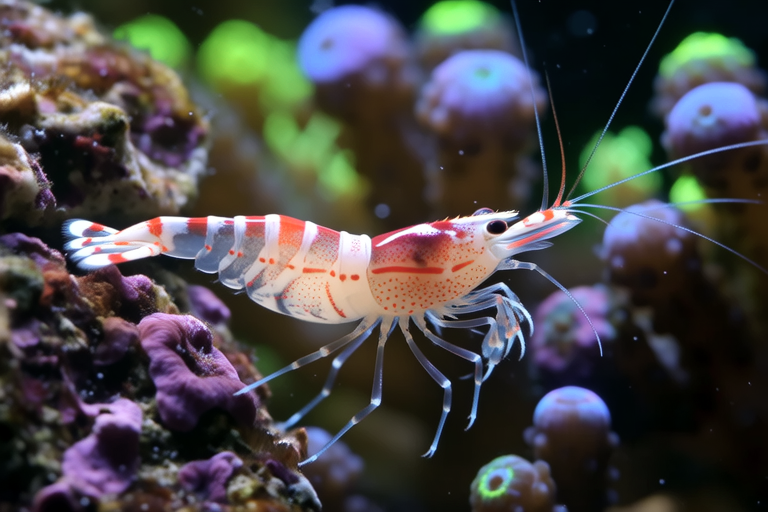
Coral shrimp, also known as Stenopus hispidus, are small crustaceans that can bring a splash of color and a host of benefits to your aquarium. With their vibrant red bodies and distinctive white stripes, these creatures are not only visually appealing but also incredibly peaceful, making them ideal additions to both freshwater and saltwater tanks. In this article, we will explore the many advantages of keeping coral shrimp in your aquarium, from algae control to water quality improvement, and provide tips for ensuring their well-being.
The Unique Appearance and Peaceful Nature of Coral Shrimp
Coral shrimp have a striking appearance that can enhance the aesthetic appeal of any aquarium. Their bodies are predominantly red, contrasting beautifully with the white stripes that run along their legs and claws. These markings make them easy to spot and add a touch of elegance to the tank’s overall decor. Additionally, coral shrimp are known for their calm demeanor; they do not pose any threat to other tank inhabitants and rarely engage in aggressive behavior. This makes them perfect companions for fish and other invertebrates, contributing to a harmonious aquatic ecosystem.
Algae Control: A Natural Approach to Maintaining Cleanliness
One of the most significant benefits of adding coral shrimp to your aquarium is their ability to control algae growth. These little helpers are natural algae eaters, which means they play a crucial role in keeping your tank clean and free from unsightly green patches. By consuming various types of algae, including hair algae and diatoms, coral shrimp help maintain a healthy balance within the aquarium. Not only does this improve the visual appeal of your tank, but it also prevents the overgrowth of algae that could otherwise harm your fish or corals.
Water Quality Improvement Through Feeding Habits
In addition to controlling algae, coral shrimp contribute positively to water quality through their feeding habits. As they feed on organic debris and detritus, they help break down waste materials that might otherwise accumulate in the tank. This process aids in reducing harmful substances such as ammonia and nitrite, which can be toxic to fish if allowed to build up. By actively participating in the decomposition of waste, coral shrimp assist in maintaining stable and safe conditions for all tank inhabitants.
Reef Health Enhancement in Saltwater Tanks
For those who maintain saltwater aquariums, coral shrimp offer another valuable benefit: enhancing reef health. In reef environments, coral shrimp act as cleaners, removing parasites and dead tissue from corals and other invertebrates. This behavior promotes the overall well-being of the reef community, ensuring that each member remains healthy and vibrant. Furthermore, their presence encourages biodiversity, creating a more dynamic and thriving ecosystem within the tank.
Tips for Introducing Coral Shrimp Into Your Aquarium
When introducing coral shrimp into your existing aquarium setup, there are several steps you can take to ensure their successful acclimation and long-term health:
- Gradual Acclimation: Slowly introduce the shrimp to the tank by floating the bag containing them in the aquarium water for about 15 minutes. This allows them to adjust gradually to the temperature and pH levels.
- Adequate Space: Provide ample space for the shrimp to explore and establish territories. Overcrowding can lead to stress and competition for resources.
- Compatible Tankmates: Choose fish and other invertebrates that are compatible with coral shrimp. Avoid species that may view shrimp as prey or compete aggressively for food.
- Stable Water Conditions: Maintain consistent water parameters such as temperature, salinity, and pH to create a stable environment conducive to shrimp health.
Providing Suitable Hiding Spots and Food Sources
To ensure the long-term happiness and well-being of your coral shrimp, it is essential to provide them with adequate hiding spots and appropriate food sources:
- Hiding Spots: Incorporate rocks, caves, and plants into your tank design to give the shrimp places to hide and feel secure. These structures mimic natural habitats and encourage natural behaviors.
- Diverse Diet: While coral shrimp primarily feed on algae and detritus, supplement their diet with high-quality commercial shrimp pellets or flakes to ensure they receive all necessary nutrients. Consider offering occasional treats like blanched vegetables or frozen foods rich in vitamins.
In conclusion, adding coral shrimp to your aquarium offers numerous benefits beyond just aesthetics. From controlling algae growth and improving water quality to enhancing reef health, these peaceful creatures bring value to any aquatic environment. By following the tips outlined above, you can create an ideal living space where your coral shrimp can thrive, contributing positively to the overall harmony and beauty of your tank. Whether you’re a novice aquarist looking to expand your knowledge or an experienced hobbyist seeking new additions, incorporating coral shrimp into your setup is sure to be rewarding.