
The Water Monitor’s Journey: Tracing This Reptile’s Wild Origins
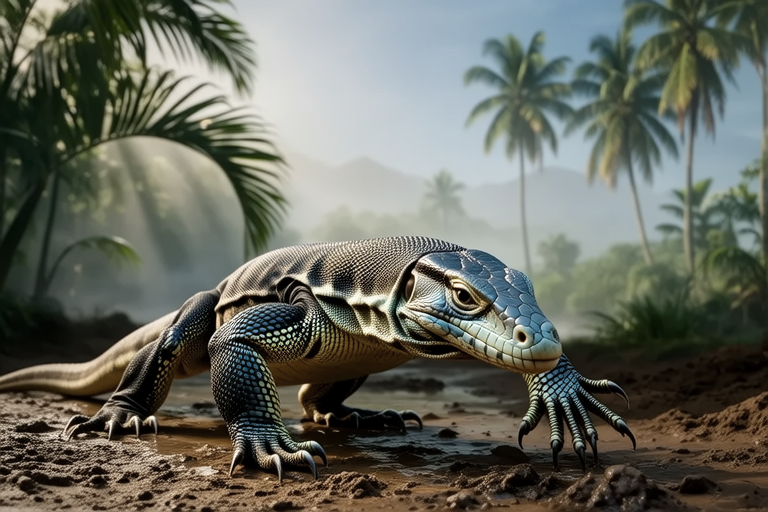
The water monitor (Varanus salvator) is a fascinating reptile that captivates both wildlife enthusiasts and casual observers alike. Known for its impressive size and agility, this lizard is one of the largest monitor lizards in the world. With a length that can exceed two meters and a robust physique, the water monitor is a testament to nature’s ingenuity. Its sleek, dark-brown scales are often adorned with intricate patterns that provide excellent camouflage, enabling it to blend seamlessly into its environment. The water monitor’s powerful limbs and sharp claws are perfectly adapted for climbing trees, burrowing into the ground, and swimming in water bodies. This versatile creature is equally at home on land, in trees, and in water, making it a formidable predator in its native habitats.
Native Habitats
The water monitor is native to Southeast Asia, where it thrives in diverse environments ranging from dense rainforests to mangrove swamps, coastal areas, and freshwater wetlands. These adaptable reptiles are found across countries like India, Sri Lanka, Bangladesh, Myanmar, Thailand, Malaysia, Indonesia, and parts of southern China. Their ability to survive in such varied landscapes is a testament to their resilience and adaptability. In these habitats, they play a crucial role in maintaining ecological balance.
Evolutionary History
To truly appreciate the water monitor, one must delve into its evolutionary past. Fossil records reveal that monitor lizards have been around for over 40 million years, with ancestors dating back to the early Eocene epoch. Genetic studies further support this timeline, indicating that the water monitor diverged from other monitor species approximately 20 million years ago. These ancient fossils, often found in sedimentary rock layers, provide invaluable insights into the evolution of these remarkable reptiles. By studying the morphological changes in fossilized bones, scientists can trace the gradual adaptations that allowed the water monitor to become the versatile predator we see today.
Ecological Role
The water monitor plays a vital role in its ecosystem as both a predator and prey. It feeds on a wide variety of animals, including fish, frogs, birds, rodents, and even other reptiles. Its diet helps control populations of these species, preventing any single species from dominating the ecosystem. Additionally, the water monitor serves as prey for larger predators, such as crocodiles and big cats, thus contributing to the food chain. This complex web of interactions highlights the importance of preserving the water monitor for the health of its ecosystem.
Water monitors are also known for their scavenging behavior, which helps clean up carcasses and other organic matter. This activity aids in nutrient cycling, enriching the soil and promoting plant growth. Moreover, their burrowing habits contribute to soil aeration, benefiting plant roots and underground organisms. The presence of water monitors is indicative of a healthy and balanced ecosystem.
Challenges and Threats
Despite their adaptability, water monitors face numerous threats due to human activities. Deforestation, driven by agriculture, logging, and urbanization, has significantly reduced their natural habitats. As forests are cleared, the water monitors lose their homes, forcing them to seek refuge in increasingly fragmented and degraded environments. This displacement disrupts their natural behaviors and increases competition for resources.
Illegal wildlife trade poses another significant threat. Water monitors are highly sought after for their skins, which are used in the fashion industry to make boots, belts, and other accessories. Additionally, some individuals keep these reptiles as exotic pets, further exacerbating the demand. The capture and trade of water monitors not only deplete wild populations but also subject these animals to cruel and inhumane treatment.
Conservation Efforts
In response to these challenges, various conservation initiatives have been launched to protect the water monitor and its habitats. Organizations and governments are working together to establish protected areas, where water monitors can live without fear of human encroachment. These protected areas serve as sanctuaries, providing safe havens for water monitors and other wildlife.
Public awareness campaigns aim to educate people about the importance of conserving water monitors and their ecosystems. By raising awareness, these campaigns encourage sustainable practices and discourage the consumption of products made from endangered species. Educational programs in schools and communities promote respect for nature and inspire the next generation of conservationists.
Research and monitoring projects are also underway to gather data on water monitor populations and their behaviors. This information is crucial for developing effective conservation strategies and assessing the success of ongoing efforts. Collaboration between scientists, local communities, and policymakers ensures that conservation measures are tailored to the specific needs of each region.
The Future of Water Monitors
The journey of the water monitor is one of survival and adaptation. As humans continue to impact the environment, it is crucial that we recognize the value of these creatures and take steps to preserve them for future generations. By protecting their habitats, reducing illegal trade, and fostering public awareness, we can ensure that water monitors remain a vital part of our planet’s biodiversity. The water monitor’s story is not just about one species; it is a reminder of the interconnectedness of all life on Earth and the responsibility we share in safeguarding our natural heritage.