
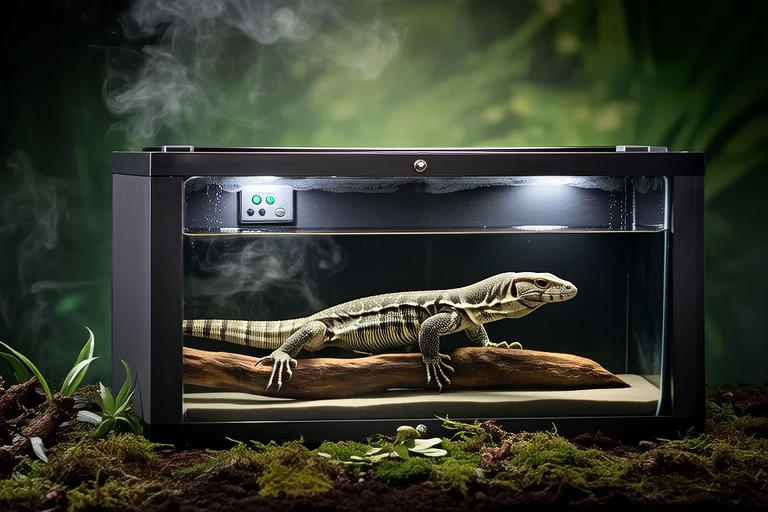
Setting Up the Perfect Habitat for a Water Monitor
Water monitors (Varanus salvator) are fascinating reptiles known for their agility, intelligence, and impressive size. As one of the largest lizards in the world, they require specialized care to thrive in captivity. This comprehensive guide will walk you through the essential elements needed to set up a perfect habitat for your water monitor at home.
Understanding Your Water Monitor’s Needs
Before diving into the specifics of habitat setup, it’s crucial to understand the natural environment of a water monitor. These lizards are native to Southeast Asia, where they inhabit tropical forests, mangroves, and freshwater habitats. They are semi-aquatic, meaning they spend time both on land and in water. A well-designed enclosure should mimic their wild habitat as closely as possible.
Appropriate Tank Size
The first step in creating a suitable habitat for your water monitor is selecting an appropriately sized enclosure. Water monitors can grow to lengths exceeding 6 feet, so they need ample space to move around comfortably. A minimum tank size of 12 feet by 8 feet by 8 feet (length x width x height) is recommended for adult specimens. For younger or smaller monitors, a slightly smaller but still spacious enclosure may suffice, but always plan for future growth.
Heating and Lighting Requirements
Maintaining proper temperature gradients and lighting is vital for your water monitor’s health. These lizards are ectothermic, relying on external heat sources to regulate their body temperature. A basking spot with temperatures between 95°F and 105°F (35°C to 40°C) should be provided, while the cooler side of the enclosure should remain around 75°F to 85°F (24°C to 29°C).
Use high-quality heat lamps, ceramic heat emitters, or under-tank heaters to achieve these temperatures. Position thermometers strategically throughout the enclosure to monitor temperature variations accurately. Additionally, ensure that the heat source does not emit harmful UV radiation, as prolonged exposure can cause skin damage.
Proper lighting is also essential for your water monitor’s well-being. Full-spectrum UVB lighting is necessary for vitamin D3 synthesis, which aids in calcium absorption. Install a UVB light with a 10% to 12% output, ensuring it covers the entire enclosure. Replace the bulb every six months to maintain its effectiveness. Provide 12 hours of light and 12 hours of darkness daily to simulate natural day-night cycles.
Water Area Specifications
Water monitors are semi-aquatic and require a substantial water area within their enclosure. The water should be deep enough for swimming and cover approximately half of the total floor space. A depth of 18 inches (45 cm) is ideal, allowing the lizard to submerge fully. Ensure the water is clean and free from chlorine or other chemicals harmful to reptiles.
Install a reliable filtration system to maintain water quality. Undergravel filters or canister filters are effective options. Regularly check and clean the filter to prevent bacterial buildup. Equip the water area with ramps or logs for easy access in and out of the water. This allows the lizard to move freely between land and water, promoting natural behavior.
Substrate Options
Selecting the right substrate is crucial for maintaining hygiene and preventing injuries. Avoid substrates that could be ingested accidentally, such as small gravel or sand. Instead, opt for a safe, absorbent material like cypress mulch, coconut fiber, or reptile carpet. These substrates help retain moisture and provide a comfortable surface for your water monitor.
Regularly inspect and replace the substrate to prevent mold and bacteria growth. Clean any soiled areas promptly and remove waste to maintain a healthy environment.
Hiding Spots and Environmental Enrichment
Water monitors benefit greatly from having multiple hiding spots within their enclosure. These areas should offer security and comfort, helping reduce stress and promote natural behaviors. Provide caves, hollow logs, or custom-built hide boxes. Ensure these structures have enough room for the lizard to stretch out completely.
In addition to hiding spots, include environmental enrichment items such as climbing branches, artificial plants, and floating platforms. These additions stimulate mental and physical activity, keeping your water monitor engaged and entertained. Rotate these items periodically to maintain interest and variety.
Dietary Needs
A balanced diet is essential for the health and longevity of your water monitor. In the wild, they are opportunistic feeders, consuming insects, small mammals, birds, fish, and eggs. Replicate this varied diet in captivity by offering a mix of lean meats, feeder rodents, insects, and occasional fish. Feed young monitors daily, while adults can be fed every two to three days.
Ensure all food items are properly thawed and warmed before feeding. Gut-load insects with nutritious vegetables and fruits to enhance their nutritional value. Supplement meals with calcium and multivitamin powders to support bone health and overall vitality. Always monitor your lizard’s eating habits and adjust the diet accordingly.
Humidity Levels
Water monitors thrive in humid environments, with relative humidity levels maintained between 70% and 90%. Achieve this by misting the enclosure regularly or using automated misting systems. Install a hygrometer to monitor humidity accurately and adjust misting frequency as needed.
Additionally, consider using a humidifier or placing a shallow water dish near the heat source to increase ambient humidity. Proper humidity levels help maintain healthy skin and respiratory function.
Temperature Gradients
Maintaining a temperature gradient within the enclosure is critical for your water monitor’s thermoregulation. Use multiple thermometers placed at different points to ensure accurate readings. The basking area should reach 95°F to 105°F (35°C to 40°C), while the cooler side remains between 75°F and 85°F (24°C to 29°C).
Monitor temperature fluctuations throughout the day and night, adjusting heating equipment as necessary. Consistent temperatures are key to preventing stress and promoting optimal health.
Regular Maintenance
Regular maintenance is crucial for the long-term health and happiness of your water monitor. Perform thorough cleaning of the enclosure at least once a week, removing waste, uneaten food, and soiled substrate. Clean and disinfect all surfaces, including water areas and decorations, using a reptile-safe cleaner.
Inspect the enclosure for signs of wear or damage, replacing any faulty components immediately. Check heating and lighting equipment regularly to ensure they are functioning correctly. Replace bulbs and filters as recommended by the manufacturer to maintain optimal conditions.
Tips for New and Experienced Owners
For new owners, it’s important to familiarize yourself thoroughly with the specific needs of water monitors. Research extensively, consult with experienced keepers, and seek advice from reputable herpetologists. Join online forums and local reptile groups to connect with fellow enthusiasts and gain valuable insights.
Experienced owners should continue refining their husbandry techniques, staying updated on the latest advancements in reptile care. Experiment with different substrates, lighting setups, and enrichment items to find what works best for your individual lizard. Share your knowledge with newcomers, fostering a supportive community dedicated to responsible reptile ownership.
Conclusion
Creating the perfect habitat for a water monitor requires careful planning and attention to detail. By understanding their natural environment and replicating it in captivity, you can provide your lizard with a comfortable, stimulating living space. Remember to prioritize safety, hygiene, and enrichment, ensuring your water monitor thrives both physically and mentally.
With dedication and commitment, you can enjoy a rewarding relationship with your water monitor, watching them grow and flourish in their new home. Happy monitoring!