
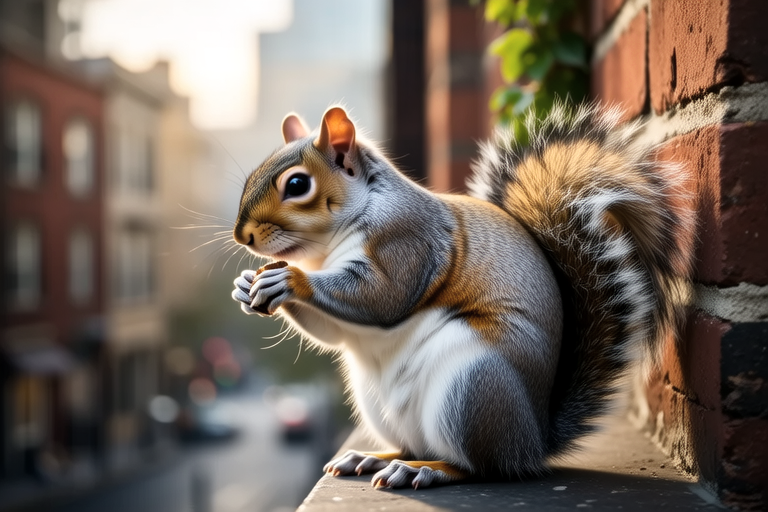
The Secret Life of Squirrels: Urban Legends and Fascinating Facts
Introduction
Squirrels are ubiquitous in urban areas, often seen scampering across parks, climbing trees, and darting through streets. These small mammals have captured the imagination of city dwellers, leading to a plethora of myths and misconceptions. In this article, we will explore the truth behind these urban legends while uncovering fascinating facts about the secret life of squirrels. From their behaviors and habitats to their vital role in city ecosystems, we’ll delve into the world of these charismatic creatures.
Debunking Common Urban Legends
One of the most widespread myths about squirrels is that they are blind. This is entirely false; squirrels have excellent vision, including the ability to see ultraviolet light, which aids them in finding food and avoiding predators. Another misconception is that all squirrels hibernate during winter. While some species do enter a state of torpor, most remain active year-round, adapting their behavior to cope with colder temperatures.
Another popular myth is that squirrels are dangerous to humans. While it’s true that squirrels can carry diseases, the risk of transmission is minimal if you avoid direct contact and keep your pets away from them. Additionally, squirrels are not aggressive towards humans unless provoked.
Behaviors, Habitats, and Roles in City Ecosystems
Squirrels exhibit a wide range of behaviors that help them thrive in urban environments. They are diurnal animals, meaning they are most active during the day. Their daily routine includes foraging for food, storing nuts, and grooming themselves. Squirrels are opportunistic feeders, consuming a variety of foods, from seeds and fruits to insects and even bird eggs.
Urban squirrels are highly adaptable and can find suitable habitats almost anywhere. Parks, gardens, and residential areas provide ample opportunities for nesting and foraging. Squirrels construct nests called dreys, typically made of leaves, twigs, and other materials found in their environment. These nests serve as shelters for resting, breeding, and raising young.
In addition to their role as foragers, squirrels play a crucial part in maintaining healthy urban ecosystems. By burying acorns and other seeds, they contribute to the reforestation of cities, helping to create green spaces and enhancing biodiversity. Their presence also attracts other wildlife, creating a more diverse and balanced urban ecosystem.
Scientific Insights: Communication Methods, Diet, and Survival Strategies
Squirrels communicate through a variety of vocalizations and body language. They use high-pitched chirps to signal danger or alert others to potential threats. Tail flicking and posturing are also used to convey messages. Researchers have found that squirrels can recognize individual vocalizations, indicating a sophisticated level of communication.
The diet of urban squirrels consists mainly of plant matter, including nuts, seeds, fruits, and tree bark. However, they also consume animal matter such as insects, bird eggs, and occasionally small vertebrates. This omnivorous diet allows them to adapt to changing food availability throughout the seasons.
To survive in urban environments, squirrels employ several survival strategies. They are adept at navigating human-made structures, using fences, buildings, and bridges to move around safely. Squirrels also store food for lean times, a behavior known as caching. This involves burying nuts and seeds in various locations, which not only ensures a steady supply of food but also aids in forest regeneration.
Tips for Coexisting Harmoniously with Squirrels
Living alongside squirrels in urban areas requires a balance between respecting their needs and protecting human interests. Here are some tips for coexisting harmoniously:
- Secure Your Trash: Ensure that trash cans are tightly sealed to prevent squirrels from rummaging through them.
- Protect Bird Feeders: Use squirrel-proof bird feeders or place baffles on poles to deter squirrels from accessing birdseed.
- Provide Natural Food Sources: Plant native trees and shrubs that produce nuts, seeds, and fruits, providing squirrels with natural food sources.
- Avoid Feeding Them Directly: While it may seem harmless, feeding squirrels directly can lead to dependency and alter their natural foraging behavior.
- Respect Their Habitat: Be mindful of squirrel nests and avoid disturbing them, especially during breeding season.
Conclusion
The secret life of squirrels is a fascinating blend of myth and reality, offering valuable insights into the adaptability and resilience of these charming creatures. By understanding their behaviors, habitats, and roles within city ecosystems, we can foster a greater appreciation for these urban inhabitants. Through responsible coexistence, we can ensure that squirrels continue to thrive in our cities, enriching our lives and contributing to the health of urban environments.