
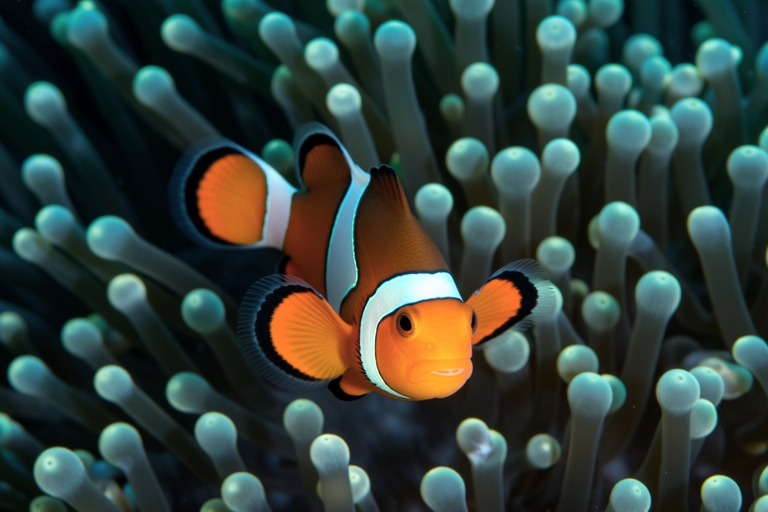
Clownfish: The Ultimate Guide for Aquarium Enthusiasts
Welcome to the fascinating world of clownfish! These vibrant and charming creatures have captured the hearts of many aquarists. This comprehensive guide will provide you with all the information you need to successfully keep these fish in your home aquarium.
Natural Habitat
Clownfish (Amphiprioninae) are native to the tropical waters of the Indo-Pacific Ocean, particularly around coral reefs. They live in symbiotic relationships with sea anemones, which offer them protection from predators. Their natural environment is characterized by warm, clear waters and abundant marine life.
Behavior
Clownfish are known for their playful and curious nature. They exhibit a range of behaviors that make them delightful to observe in an aquarium setting. These fish are territorial and can become aggressive towards intruders. However, they are generally peaceful with their own kind and compatible with certain species.
Diet
In the wild, clownfish primarily feed on small invertebrates, algae, and plankton. In captivity, they can be fed a varied diet of high-quality flake food, pellets, frozen foods such as brine shrimp, and occasional treats like bloodworms or mysis shrimp. Ensuring a balanced diet is crucial for their health and longevity.
Ideal Tank Conditions
To create a suitable habitat for clownfish, it’s essential to replicate their natural environment as closely as possible. A tank size of at least 30 gallons is recommended for a single pair or trio. Maintain water temperatures between 76°F and 82°F, with a pH level between 8.1 and 8.4. Regular water changes and proper filtration are vital for maintaining water quality.
Selecting Healthy Clownfish
When choosing clownfish for your aquarium, look for specimens that are active, alert, and free from any signs of disease. Check their fins for tears or discoloration and ensure they are eating well. It’s also advisable to quarantine new fish for a few weeks before introducing them to your main tank to prevent the spread of potential illnesses.
Compatibility with Other Species
Clownfish can coexist peacefully with various other saltwater fish, provided there is ample space and hiding spots available. Suitable tankmates include damselfish, cardinalfish, and small wrasses. Avoid housing them with larger, more aggressive species that may bully or prey on them.
Common Health Issues
Clownfish are generally hardy but can be susceptible to certain health problems if their environment is not properly maintained. Common issues include ich, fin rot, and bacterial infections. Regular monitoring of water parameters and prompt treatment at the first sign of illness can help prevent these problems.
Feeding
Proper nutrition is key to keeping clownfish healthy and vibrant. Feed them two to three times daily, offering small portions each time. Vary their diet to include both dry and frozen foods to ensure they receive all necessary nutrients. Overfeeding can lead to poor water quality and health issues, so practice moderation.
Breeding
Clownfish are sequential hermaphrodites, meaning they can change sex depending on environmental factors. To breed them, maintain a stable group of at least three fish, allowing them to establish a hierarchy. Once a pair forms, provide them with a suitable breeding site, such as a PVC pipe or clay pot. Spawning typically occurs every two to three weeks, and eggs hatch after about seven days.
Maintaining Water Quality
Water quality is critical for the health and well-being of your clownfish. Perform regular partial water changes, test for ammonia, nitrite, and nitrate levels, and ensure adequate biological filtration. Using a protein skimmer can help remove organic waste and improve water clarity. Additionally, consider adding live rock and macroalgae to promote a healthy ecosystem.
Conclusion
By understanding the natural habitat, behavior, diet, and care requirements of clownfish, you can provide them with a thriving environment in your home aquarium. Not only will they bring joy and beauty to your tank, but caring for them also contributes to marine life conservation efforts. Enjoy the rewarding experience of watching these captivating fish thrive under your care.