
How to Successfully Keep Clownfish Happy and Healthy at Home
Introduction to Clownfish: Habitat, Behavior, and Basic Needs
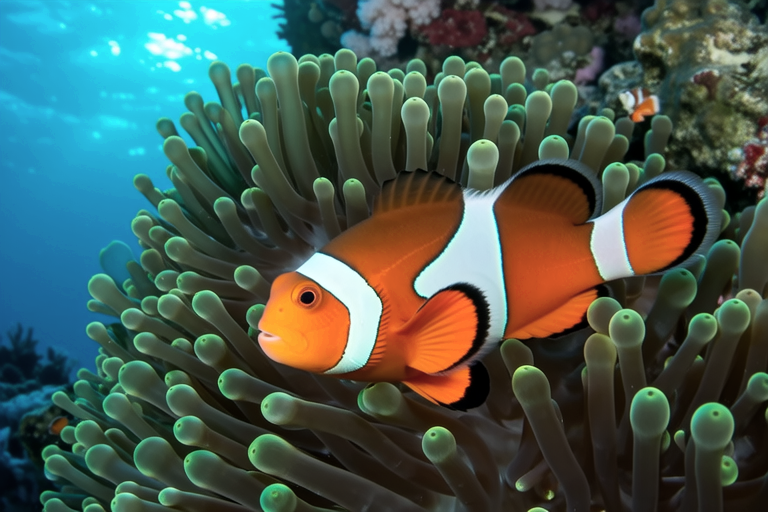
Clownfish, scientifically known as Amphiprioninae, are small, vibrant fish that are popular among aquarium enthusiasts. They are native to the tropical waters of the Indo-Pacific region, where they live in symbiosis with sea anemones. The most recognizable feature of clownfish is their striking orange and white stripes. These fish are generally peaceful and can be kept in community tanks. However, they have specific requirements regarding water conditions and tank mates. Understanding their natural habitat and behavior is crucial for providing them with a suitable environment.
Clownfish are social creatures and often live in groups within their natural habitats. They exhibit territorial behavior, particularly towards other clownfish, but they are generally peaceful with other species. In captivity, they thrive when provided with ample space and hiding spots, which mimic their natural environment.
Essential Tank Setup: Size, Water Parameters, Filtration, and Lighting
The first step in setting up a tank for clownfish is choosing the right size. A minimum tank size of 30 gallons is recommended for a single clownfish, while a 55-gallon tank is ideal for a pair or a small group. This provides enough swimming space and ensures that the water quality remains stable.
Water parameters are critical for the health of clownfish. The temperature should be maintained between 76°F and 82°F, and the pH level should range from 8.1 to 8.4. Regular monitoring of these parameters using test kits is essential. Additionally, maintaining a salinity level of 1.020 to 1.025 specific gravity is important for clownfish.
Filtration plays a vital role in maintaining water quality. A high-quality filter that can handle the bioload of the tank is necessary. Regular water changes and mechanical filtration help remove waste and maintain clean water. Clownfish also require proper lighting, ideally simulating a 12-hour day/night cycle. LED lights are commonly used and provide both light intensity and color spectrum adjustments.
Proper Feeding Guidelines: Diet Specifics, Frequency, and Supplements
Feeding clownfish a balanced diet is essential for their health. Their diet should consist of a variety of foods, including flakes, pellets, and frozen or live foods such as brine shrimp, mysis shrimp, and bloodworms. It’s important to feed them twice daily, offering small portions to prevent overfeeding.
Supplements, like vitamin-enriched foods or spirulina-based flakes, can enhance their diet. Spirulina helps prevent disease and promotes healthy growth. Additionally, providing a varied diet encourages natural behaviors and keeps them active and engaged.
Importance of Tank Mates: Compatible Species and Considerations for Community Tanks
Selecting appropriate tank mates is crucial for the well-being of clownfish. They are generally peaceful and can coexist with other non-aggressive species. Some compatible tank mates include damsels, tangs, and wrasses. However, it’s important to avoid aggressive or predatory species that may harm the clownfish.
In a community tank, it’s advisable to introduce new fish gradually to minimize stress. Additionally, providing ample hiding spots and territories can help reduce conflicts. Clownfish can become territorial, especially when defending their host anemone, so it’s important to monitor their interactions closely.
Maintaining Water Quality: Regular Testing, Cleaning, and Maintenance Tips
Maintaining water quality is key to keeping clownfish healthy. Regular water testing using test kits for ammonia, nitrite, nitrate, pH, and temperature is necessary. Water changes of 10-20% weekly help remove toxins and maintain water chemistry.
Cleaning the tank involves siphoning debris from the substrate and wiping down the glass. Regular filter maintenance and replacing carbon media every two months ensure optimal filtration. Additionally, monitoring algae growth and addressing any issues promptly prevents excessive buildup.
Signs of Health and Common Diseases: Prevention and Treatment Methods
Healthy clownfish exhibit vibrant colors, active swimming patterns, and a good appetite. Signs of illness include lethargy, loss of appetite, pale coloring, and visible lesions. Common diseases affecting clownfish include ich, fin rot, and marine velvet.
To prevent diseases, maintain pristine water quality and quarantine new fish before introducing them to the main tank. If symptoms appear, isolate the affected fish and treat accordingly. Ich can be treated with salt baths or copper treatments, while fin rot requires antibiotics. Marine velvet responds well to antifungal medications.
Enrichment Activities: Ways to Stimulate Clownfish Mentally and Physically
Providing enrichment activities for clownfish enhances their well-being. Incorporating live rock, coral, and plants creates a more natural environment and offers hiding spots. Adding decorations like caves or tunnels encourages exploration and stimulates their curiosity.
Introducing novel objects periodically, such as floating plants or plastic toys, can also engage them. Rotating these items every few weeks keeps the tank interesting and reduces boredom. Additionally, creating gentle water currents with powerheads or wavemakers mimics ocean conditions and encourages swimming.
Conclusion Emphasizing the Rewarding Experience of Keeping Clownfish
Keeping clownfish in your home aquarium can be a rewarding and enjoyable experience. By understanding their natural habitat, providing a suitable tank setup, and ensuring proper care, you can create a thriving environment for these fascinating fish. Their vibrant colors, playful behavior, and unique personalities make them a delightful addition to any aquarium. With dedication and attention to detail, you can enjoy the beauty and companionship of clownfish for years to come.