
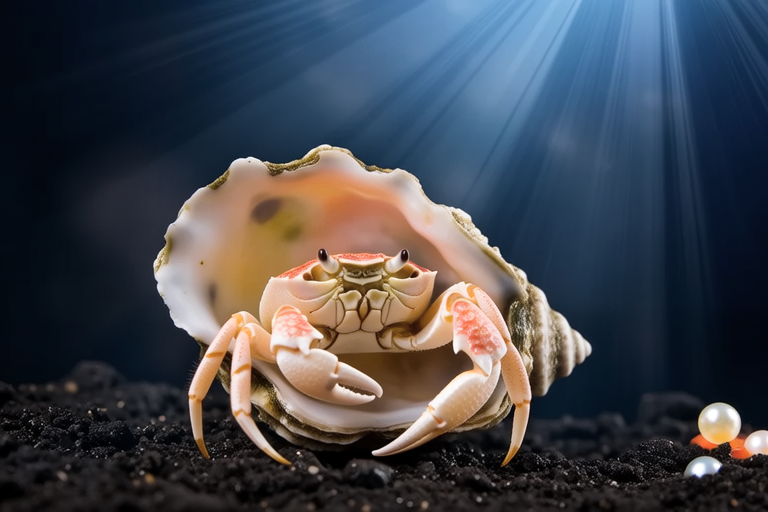
Pea Crab: The Tiniast Guardian of the Sea
The pea crab (Pinnotheres pectinatus) is a fascinating creature that has captured the imagination of marine biologists and enthusiasts alike. These tiny crustaceans, named for their resemblance to garden peas, live in a world of symbiosis, where they form intricate relationships with their hosts. Their diminutive size, coupled with their unique lifestyle, makes them a remarkable subject for study. This article delves into the world of pea crabs, exploring their habitat, diet, reproductive strategies, and the symbiotic relationships they maintain with other marine organisms.
Unique Characteristics
Pea crabs are among the smallest crabs in the world, typically measuring less than an inch in length. Their small size is a testament to their specialized niche within the marine ecosystem. Despite their tiny stature, pea crabs possess a robust exoskeleton that protects them from predators and harsh environmental conditions. They are characterized by their flattened bodies and long, slender legs, which enable them to move efficiently through the narrow spaces within their host organisms.
Their coloration is often a blend of browns and greens, allowing them to blend seamlessly into their surroundings. This camouflage is crucial for their survival, as it helps them avoid detection by both predators and potential hosts. Additionally, pea crabs have highly sensitive antennae that assist them in navigating their aquatic environment and detecting potential mates or prey.
Habitat and Distribution
Pea crabs are found in coastal waters around the world, particularly in temperate regions. They inhabit a variety of marine environments, including estuaries, seagrass beds, and rocky shores. Their preferred habitats are those that offer protection from strong currents and predators, such as the gills of bivalve mollusks like oysters, clams, and mussels.
These crabs are highly adaptable and can thrive in different water temperatures and salinity levels. However, they are most commonly found in areas with stable environmental conditions. Their ability to coexist with their hosts in diverse environments underscores their resilience and adaptability.
Diet and Feeding Habits
Pea crabs are opportunistic feeders, primarily consuming detritus, algae, and small organisms that enter their hosts’ gills. They also scavenge on dead tissue and debris within the gill chambers. In some cases, they may consume the eggs or larvae of their hosts, though this behavior is relatively rare. Their diet is largely influenced by the availability of food within the confines of their host’s gills.
The feeding habits of pea crabs play a significant role in maintaining the health of their hosts. By removing excess organic matter and potential pathogens, they help keep the gill environment clean and free from harmful bacteria. This mutualistic relationship benefits both the crabs and their hosts, contributing to the overall stability of the marine ecosystem.
Symbiotic Relationships
The most notable feature of pea crabs is their symbiotic relationship with bivalve mollusks. Pea crabs live inside the gill chambers of these mollusks, where they find protection and a reliable source of food. This relationship is mutually beneficial, with the crabs providing cleaning services to their hosts while receiving shelter and nutrients in return.
Pea crabs are not the only species that engage in symbiotic relationships with bivalves. Other small crustaceans, such as certain shrimp and amphipods, also live within the gills of bivalves. However, pea crabs are unique in their ability to coexist with multiple individuals of their own species within a single host. This communal living arrangement is rare in the animal kingdom and highlights the complexity of their social interactions.
Reproduction and Life Cycle
The reproductive cycle of pea crabs is closely tied to their symbiotic relationship with their hosts. Mating occurs within the gill chambers of the host, where males and females come together to fertilize the eggs. After fertilization, the female carries the eggs under her abdomen until they hatch. Once hatched, the larvae are released into the water column, where they drift for several days before settling on a suitable host.
The larvae of pea crabs are planktonic, meaning they are carried by ocean currents during their early stages of development. This dispersal mechanism allows them to colonize new areas and establish populations in different locations. Once they find a suitable host, the larvae undergo metamorphosis and transform into juvenile crabs. At this stage, they enter the gill chamber of their host and begin their symbiotic relationship.
Protection of Hosts
Pea crabs play a crucial role in protecting their hosts from parasites and pathogens. By scavenging on dead tissue and debris within the gill chambers, they help prevent the buildup of harmful bacteria and reduce the risk of infection. Additionally, their presence may deter larger parasites from entering the gills, further safeguarding the health of their hosts.
In some cases, pea crabs may even defend their hosts against predation. Their sharp claws and armored bodies make them formidable adversaries for smaller predators. While they are unlikely to fend off larger predators, their presence can serve as a deterrent and provide additional protection for their hosts.
Threats and Conservation
Despite their importance in marine ecosystems, pea crabs face numerous threats in their natural environment. Habitat destruction, pollution, and overfishing of their hosts are among the primary challenges they encounter. The loss of suitable habitats, such as seagrass beds and oyster reefs, reduces the availability of potential hosts and disrupts the delicate balance of the ecosystem.
Pollution, particularly from agricultural runoff and industrial waste, poses a significant threat to pea crabs and their hosts. Chemical pollutants can accumulate in the tissues of bivalves, leading to reduced reproductive success and increased mortality rates. Overfishing of bivalves for commercial purposes can also lead to a decline in pea crab populations, as it removes their primary source of shelter and food.
To address these threats, conservation efforts are focused on protecting and restoring critical habitats, reducing pollution, and promoting sustainable fishing practices. By preserving the habitats of pea crabs and their hosts, we can ensure the continued existence of these fascinating creatures and the vital roles they play in marine ecosystems.
Conclusion
The pea crab (Pinnotheres pectinatus) is a remarkable example of adaptation and symbiosis in the marine world. Their small size, unique lifestyle, and complex relationships with their hosts make them an intriguing subject for study. Through their role in maintaining the health of their hosts and contributing to the stability of marine ecosystems, pea crabs play a crucial part in the intricate web of life beneath the waves.
As we continue to explore the depths of our oceans, it is essential to recognize the importance of these tiny guardians and the challenges they face. By understanding and addressing the threats to their survival, we can work towards preserving the rich diversity of life in our seas and ensuring the continued existence of these fascinating creatures.