
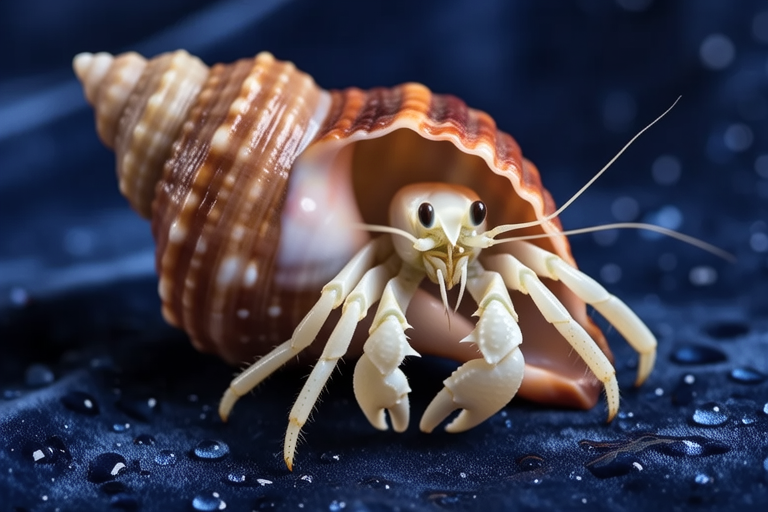
Meet the Tiniest Crab Living Inside Clams: The Pea Crab
In the vast and mysterious world of marine life, there exists a creature so small and peculiar that it almost seems like something out of a fairy tale. Meet the pea crab, a tiny crustacean that has found its perfect niche living inside the shells of clams. This article delves into the fascinating life of these minuscule creatures, exploring their size, habitat, reproduction methods, symbiotic relationships, and the challenges they face in their unique existence.
The Tiny Giants
Pea crabs, belonging to the family Pinnotheridae, are indeed among the smallest crabs in the world. They typically range from 2 to 15 millimeters in length, making them no bigger than a grain of rice. Despite their diminutive size, these crabs are robust and have adapted perfectly to their peculiar lifestyle. Their small size allows them to maneuver easily within the confines of their clam hosts, but it also presents challenges such as finding sufficient food and avoiding becoming prey themselves.
A Cozy Home Inside Clams
The pea crab’s preferred habitat is the gill chamber of various species of bivalve mollusks, particularly clams. These crabs enter the host through the clam’s siphons, which are used for respiration and feeding. Once inside, the pea crab finds itself in a safe, enclosed environment, protected from larger predators. The clam’s gill chamber provides the perfect shelter, where the crab can hide from potential dangers lurking in the open waters.
The relationship between the pea crab and its host is complex and often mutually beneficial. The crab benefits from the protection and nutrients provided by the clam, while the clam may gain some protection from certain parasites or predators that might otherwise harm it. In some cases, however, the presence of pea crabs can be detrimental to their hosts, as the crabs consume the same food resources as the clams.
Reproduction: A Dance of Life
Pea crabs have a unique reproductive cycle that is closely tied to their life within the clam. Male pea crabs are generally smaller than females and usually enter the host clam first. After finding a suitable female, the male will mate with her inside the clam. The female then carries the fertilized eggs until they hatch, after which the larvae are released into the water column.
Once in the water, the larvae drift and eventually settle on a suitable host. This process is crucial for the survival of the species, as finding the right host is essential for the pea crabs’ development. The larvae are attracted to the chemical signals released by the host clams, ensuring that they end up in the right place.
Symbiosis: A Dance of Survival
The relationship between pea crabs and their clam hosts is a prime example of symbiosis in action. While the pea crab benefits from the protection and resources provided by the clam, the clam may also benefit from the presence of the crab. Some studies suggest that the presence of pea crabs can help deter certain parasites from attacking the clam. Additionally, the crabs may assist in cleaning the clam’s gills, improving its respiratory efficiency.
However, this relationship is not always harmonious. In some cases, the pea crabs can become parasitic, consuming more of the clam’s resources than they provide in return. This can lead to reduced growth rates or even death of the host. The balance between mutualism and parasitism is delicate and varies depending on the species involved and environmental conditions.
Adaptations for Life Inside Clams
To thrive in their unique environment, pea crabs have developed several remarkable adaptations. Their flattened bodies allow them to fit snugly within the clam’s gill chamber, while their small size enables them to move freely within the confined space. Additionally, pea crabs have modified appendages that help them cling to the clam’s tissues, preventing them from being washed away when the clam opens and closes its shell.
These crabs have also evolved to be highly efficient at extracting nutrients from their environment. They feed on plankton, detritus, and other small organisms that enter the clam’s gill chamber. By doing so, they contribute to the recycling of nutrients within the ecosystem, playing a vital role in maintaining the health of marine environments.
Threats to Pea Crabs
Despite their adaptations, pea crabs face numerous threats in their environment. One of the most significant risks comes from overfishing of clams, which reduces the availability of suitable hosts for the crabs. As clam populations decline, so too does the number of potential homes for pea crabs, putting pressure on their survival.
Additionally, pollution and habitat destruction pose serious challenges to both the crabs and their hosts. Chemical pollutants can interfere with the crabs’ ability to reproduce and develop properly, while changes in water quality can make it harder for them to find suitable hosts. Climate change also affects the distribution and abundance of both pea crabs and their hosts, potentially altering the delicate balance of their symbiotic relationship.
The Role of Pea Crabs in Marine Ecosystems
While pea crabs may seem insignificant due to their small size, they play an important role in marine ecosystems. As filter feeders, they help to maintain water quality by removing particles from the water column. They also serve as a food source for larger predators, contributing to the energy flow within the ecosystem.
Moreover, the presence of pea crabs can influence the behavior and distribution of their host clams. For instance, the crabs’ feeding habits can alter the composition of microorganisms within the gill chamber, affecting the clam’s health and growth. This, in turn, can impact the broader ecosystem, as changes in clam populations can affect the availability of food for other species.
Conclusion
The pea crab is a remarkable example of adaptation and specialization in the animal kingdom. Its tiny size, unique lifestyle, and intricate relationship with its host clam make it one of the most fascinating creatures in the ocean. While pea crabs face numerous challenges, their resilience and importance in marine ecosystems continue to inspire awe and admiration. Understanding these tiny giants helps us appreciate the complexity and beauty of life in the sea, reminding us of the interconnectedness of all living things.