
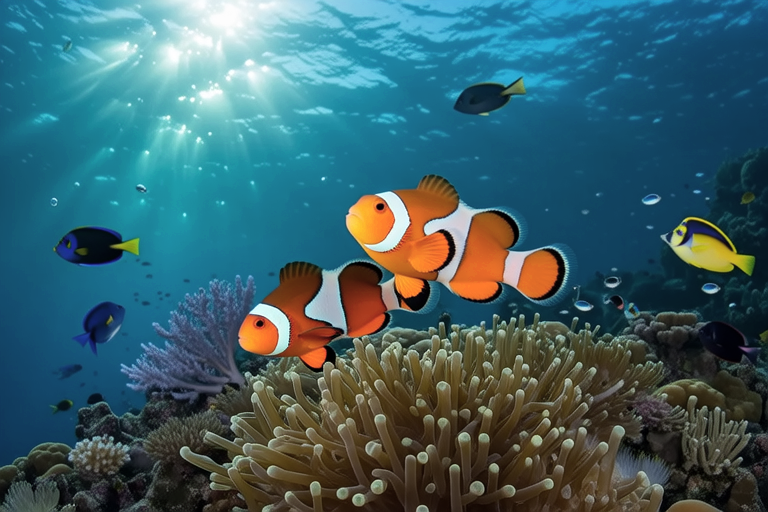
Choosing Suitable Tank Mates for Clownfish: A Guide to Creating a Harmonious Aquarium Ecosystem
Clownfish are among the most beloved marine creatures, known for their vibrant colors and unique behavior. These small, hardy fish are often seen swimming around anemones in the wild, where they have developed a symbiotic relationship that offers mutual benefits. Understanding the social nature of clownfish and their compatibility needs is crucial when choosing tank mates. This guide will help you select the best companions for your clownfish, ensuring a balanced and thriving aquarium.
The Social Nature of Clownfish and Their Compatibility Needs
Clownfish are generally peaceful and can coexist with other fish, but they do have specific compatibility requirements. They are territorial, especially towards their own species, and prefer to live in groups or pairs. In the wild, clownfish often form partnerships with sea anemones, which provide protection from predators. In an aquarium, it’s essential to replicate this natural habitat as closely as possible to ensure the well-being of your clownfish.
When selecting tank mates for clownfish, consider their temperament, size, and care requirements. Ideally, choose fish that are non-aggressive and have similar water parameters. It’s also important to maintain a balanced ecosystem, as overcrowding or mismatched tank mates can lead to stress, disease, and even death.
Maintaining a Balanced Ecosystem in the Aquarium
A balanced ecosystem is vital for the health and longevity of all aquarium inhabitants. To achieve this, start by providing ample space for each fish. Overcrowding can lead to competition for resources and increased aggression. Additionally, ensure that your aquarium has adequate filtration, lighting, and aeration to maintain optimal water quality.
Regular water changes and monitoring of water parameters, such as temperature, pH, and salinity, are also crucial. Keep an eye on the nitrogen cycle, which converts toxic ammonia into less harmful substances. By maintaining a stable and healthy environment, you’ll create a harmonious home for your clownfish and their tank mates.
List of Compatible Fish Species
1. Blue Damsels (Chrysiptera cyanea)
Blue damsels are a great choice for clownfish tank mates due to their similar size and temperament. These small, blue fish are peaceful and can coexist with clownfish without causing harm. They are easy to care for and require similar water conditions, making them ideal companions. Blue damsels are also known for their bright colors, adding visual appeal to your aquarium.
2. Firefish (Nemateleotris magnifica)
Firefish, also known as fire gobies, are another excellent option for clownfish tank mates. These small, colorful fish are peaceful and shy, rarely showing aggressive behavior. Firefish are bottom-dwelling fish, so they won’t compete for space with your clownfish. They require similar water conditions and are easy to care for, making them a perfect addition to your aquarium.
3. Mandarin Gobies (Synchiropus splendidus)
Mandarin gobies are a popular choice for clownfish tank mates due to their striking appearance and peaceful demeanor. These small, colorful fish are known for their intricate patterns and vibrant hues. Mandarin gobies are bottom-dwelling fish and are generally non-aggressive, making them a great companion for clownfish. However, they are more challenging to care for and may require additional research to ensure their well-being.
4. Yellow Tangs (Zebrasoma flavescens)
Yellow tangs are a larger, more active fish that can be a great addition to your clownfish tank. These herbivorous fish are peaceful and can coexist with clownfish without causing harm. Yellow tangs require a spacious tank with plenty of swimming room, so ensure your aquarium is large enough to accommodate their needs. They are relatively easy to care for and can add a splash of color to your aquarium.
5. Coral Beauty Angelfish (Centropyge bispinosus)
Coral beauty angelfish are a smaller, more peaceful alternative to other angelfish species. These fish are known for their vibrant colors and interesting patterns. Coral beauty angelfish are generally non-aggressive and can coexist with clownfish without causing harm. However, they may become territorial if overcrowded, so ensure your aquarium has enough space for all inhabitants.
Incompatible Species and Potential Challenges
While many fish species can coexist with clownfish, some are not recommended due to their aggressive behavior or incompatible care requirements. Avoid keeping clownfish with larger, more aggressive species like lionfish, triggerfish, and large angelfish. These fish may prey on smaller fish or compete for resources, leading to stress and potential harm.
Additionally, avoid keeping clownfish with other species that require vastly different water conditions or feeding habits. For example, clownfish thrive in warmer, more acidic waters, while some species prefer cooler, more alkaline environments. By choosing tank mates with similar care requirements, you’ll reduce the risk of stress and disease.
Tips for Setting Up a Healthy and Thriving Environment
To ensure your clownfish and their tank mates thrive, follow these tips:
- Provide ample space for each fish, ensuring your aquarium is large enough to accommodate all inhabitants.
- Choose tank mates with similar water parameters and care requirements to minimize stress and disease.
- Monitor water quality regularly, performing routine water changes and testing for ammonia, nitrite, and nitrate levels.
- Offer a variety of hiding spots and structures, such as rocks, caves, and plants, to create a stimulating and enriching environment.
- Feed your fish a balanced diet, including high-quality flake food, pellets, and occasional treats like frozen or live foods.
By following these guidelines, you’ll create a harmonious and thriving aquarium environment for your clownfish and their tank mates.
In conclusion, selecting suitable tank mates for clownfish requires careful consideration of temperament, size, and care requirements. By maintaining a balanced ecosystem and choosing compatible species, you’ll ensure the well-being and happiness of all your aquarium inhabitants. Remember, a well-planned and thoughtfully maintained aquarium can be a beautiful and rewarding addition to any home. Happy fishkeeping!