
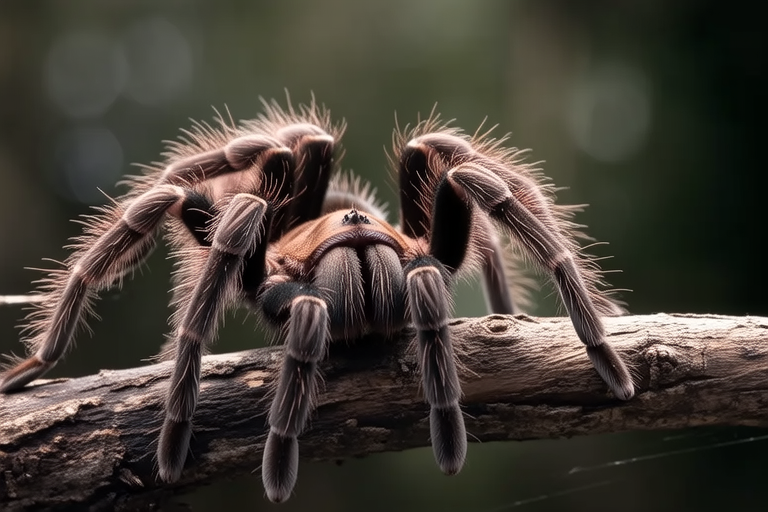
Tarantulas: The Ultimate Guide for First-Time Arachnid Owners
Welcome to the fascinating world of tarantulas! If you’re thinking about becoming a tarantula owner, this guide will help you navigate through the essentials of caring for these unique creatures. Tarantulas make wonderful pets for those who are interested in learning more about arachnids and enjoy the challenge of providing a specialized environment. This comprehensive guide covers everything from selecting the right species to setting up their habitat and understanding their care needs.
Selecting the Right Species for Beginners
Choosing the right tarantula species is crucial for first-time owners. Some species are more docile and easier to handle than others. Here are a few beginner-friendly options:
- Baby Pink Toes (Avicularia avicularia): These small, colorful tarantulas are active during the day and relatively calm.
- Chaco Golden Knee (Grammostola porteri): Known for their beautiful golden legs, they are docile and hardy.
- Bolivian Rainbow (Grammostola rosea): With their vibrant colors, they are easy to care for and have a calm demeanor.
- Red Rump (Brachypelma vagans): A popular choice due to its gentle nature and adaptability.
Remember that each species has its own specific needs, so research thoroughly before making your selection.
Housing Requirements
Creating a suitable habitat is vital for your tarantula’s well-being. A glass or plastic tank with a secure lid is ideal. Tanks should be at least three times the leg span of the tarantula in height and width. For example, if your tarantula has a leg span of six inches, the tank should be at least 18 inches by 18 inches.
The substrate plays a significant role in maintaining humidity levels. Suitable substrates include coconut fiber, peat moss, or a mixture of both. Avoid using cedar shavings, as they can be harmful. Ensure the substrate is deep enough for burrowing, typically around four inches.
Provide hiding spots such as cork bark or half logs to create a sense of security. These shelters should be large enough for your tarantula to fit inside comfortably. Additionally, a water dish should always be present, but avoid overly wet conditions which could lead to respiratory issues.
Temperature and Humidity Control
Maintaining the correct temperature and humidity levels is critical. Most tarantulas thrive in temperatures between 75°F and 85°F (24°C to 29°C). Use a thermometer and hygrometer to monitor these conditions accurately. Adjust heating elements like under-tank heaters or heat mats accordingly.
Humidity levels vary depending on the species. For instance, tropical species like the Pink Toe require higher humidity (60%-80%), whereas desert species like the Mexican Red-Knee prefer drier environments (40%-60%). Regularly mist the enclosure to maintain appropriate humidity, ensuring it doesn’t become too moist.
Diet and Feeding Schedules
Feeding your tarantula appropriately ensures optimal health. Juvenile tarantulas eat every few days, while adults may only need food once a week. Suitable prey includes crickets, mealworms, and dubia roaches. Dust live food with calcium powder before feeding to provide necessary nutrients.
Always remove uneaten prey after 24 hours to prevent stress or injury to your tarantula. Overfeeding can lead to obesity, while underfeeding might result in malnutrition. Monitor your tarantula’s weight and adjust feeding schedules accordingly.
Handling Tips
While tarantulas are generally safe to handle, always exercise caution. Use a long-handled tongs or a small cup to gently transfer your tarantula. Never grab them directly as it can cause harm. Allow your tarantula time to acclimate to handling gradually over weeks or months.
Handling should be kept to a minimum to reduce stress. Always wash your hands before and after handling to prevent transferring oils or bacteria that could harm your pet.
Health Concerns
Regularly check for signs of illness, such as lethargy, loss of appetite, or unusual behavior. Common health issues include mites, dehydration, and respiratory problems. Seek professional advice immediately if you suspect any health concerns.
Maintain good hygiene practices by cleaning the enclosure weekly, removing waste, and refreshing the substrate. Clean the water dish daily to prevent bacterial growth. Disinfect enclosures periodically with a mild bleach solution, followed by thorough rinsing and drying.
Common Myths About Tarantulas
Many misconceptions surround tarantulas. Contrary to popular belief, tarantulas are not aggressive toward humans. They primarily use their venom for hunting and self-defense. Another myth is that tarantulas bite frequently; in reality, they tend to flee when threatened.
Additionally, tarantulas don’t always require frequent handling. While interaction can strengthen the bond between you and your pet, it’s important to respect their natural instincts and avoid overstimulation.
Behavioral Insights
Understanding your tarantula’s behavior helps in providing better care. Tarantulas are nocturnal, meaning they are most active during the night. During the day, they often remain hidden in their burrows or shelters.
Observe your tarantula’s eating habits, molting process, and activity levels to gain insight into their overall well-being. Molting is a natural process where the tarantula sheds its exoskeleton. During this period, avoid disturbing your pet and ensure high humidity levels to facilitate the process.
Setting Up a Safe and Comfortable Habitat
Creating a safe and comfortable habitat involves several steps. Start by selecting a suitable tank size and shape. A tank with a secure lid prevents escapes and maintains the required environmental conditions.
Choose a substrate that supports burrowing and retains moisture effectively. Layer the substrate to create a stable base. Add hiding spots and decorations to mimic a natural environment. Ensure all items are securely placed and won’t pose a risk of falling or trapping your tarantula.
Maintaining Hygiene
Hygiene is crucial for your tarantula’s health. Regularly clean the enclosure, including the substrate, water dish, and any decorations. Remove waste promptly to prevent bacterial growth and foul odors.
Disinfect the enclosure periodically using a mild bleach solution. Rinse thoroughly and allow it to dry completely before reintroducing your tarantula. This practice helps eliminate potential pathogens and keeps your pet healthy.
Conclusion
Caring for a tarantula can be incredibly rewarding. By understanding their needs and providing proper care, you can ensure a happy and healthy life for your new pet. Remember to research thoroughly, ask questions, and seek guidance when needed. Enjoy your journey into the world of tarantulas!