
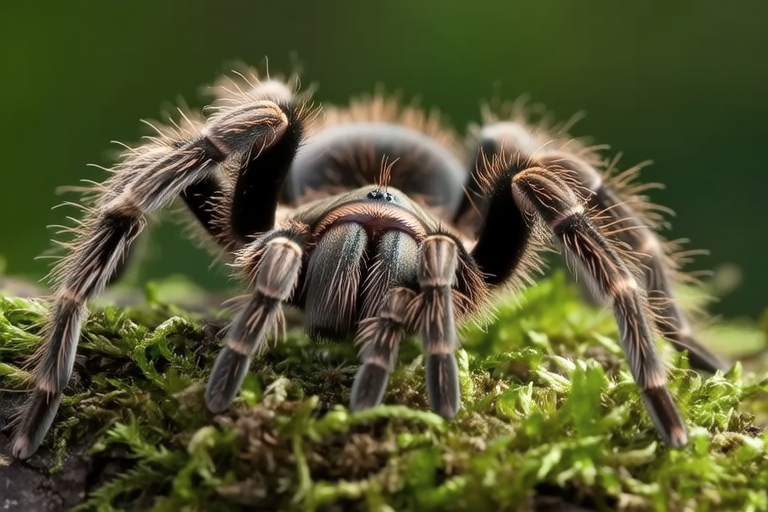
The Fascination with Spiders: An Exploration
Spiders have long been a source of fascination for humans, capturing our imaginations and sparking both fear and admiration. From their intricate webs to their deadly venom, these eight-legged creatures offer a unique blend of scientific intrigue, cultural significance, and psychological allure. This article delves into eight key aspects that make spiders so captivating, offering insights into their behavior, survival tactics, and ecological roles, as well as examining how popular culture and recent studies shape our perceptions.
1. The Architectural Marvels of Spider Webs
One of the most striking features of spiders is their ability to construct complex and intricate webs. These webs serve multiple purposes, from catching prey to protecting themselves. The silk produced by spiders is incredibly strong and flexible, capable of stretching up to four times its length without breaking. Scientists have been studying spider silk for decades, hoping to replicate its properties for use in medical sutures, bulletproof vests, and even space exploration.
Recent advancements in technology have allowed researchers to better understand the molecular structure of spider silk. By analyzing the genes responsible for producing this remarkable material, scientists hope to develop synthetic alternatives that could revolutionize various industries. This ongoing research underscores the potential of spiders to inspire innovation and push the boundaries of human engineering.
2. Diverse Hunting Techniques
Spiders employ a variety of hunting techniques depending on their species and environment. Some spiders, like the jumping spider, rely on their exceptional vision to stalk and pounce on unsuspecting prey. Others, such as the trapdoor spider, patiently wait for prey to venture near their hidden burrows before ambushing them. Still others, like the wolf spider, actively pursue their quarry over short distances.
The diversity in hunting strategies reflects the adaptability of spiders to different ecosystems. Each method has evolved to maximize efficiency and minimize energy expenditure. Understanding these behaviors provides valuable insights into evolutionary biology and ecology. It also highlights the ingenuity of nature, where necessity drives innovation.
3. Venom and Defense Mechanisms
Many spiders possess venom glands that produce potent toxins used to immobilize or kill their prey. While some venoms can be harmful to humans, causing pain, swelling, or allergic reactions, most spider bites are harmless. In fact, only a few species, such as the black widow and brown recluse, pose significant risks to human health.
Recent studies have explored the potential medical applications of spider venom. Certain toxins found in spider venom can block specific ion channels in nerve cells, making them useful for treating neurological disorders. Researchers are also investigating whether components of spider venom could lead to new pain management therapies. These findings challenge traditional views of spider venom as purely dangerous, revealing its potential benefits.
4. Ecological Roles and Biodiversity
Spiders play crucial roles in maintaining ecosystem balance. As predators, they help control populations of insects and other small animals, preventing overpopulation and subsequent damage to plants and crops. They also serve as food sources for larger animals, contributing to the overall biodiversity of an area.
Conservation efforts increasingly recognize the importance of preserving spider habitats. Protecting natural environments not only safeguards spider species but also supports the broader ecological network they are part of. Recent trends in conservation focus on creating more sustainable practices that promote coexistence between humans and wildlife, including spiders.
5. Cultural Representations and Myths
Throughout history, spiders have featured prominently in folklore, art, and literature across cultures worldwide. In many mythologies, spiders symbolize creativity, patience, and wisdom. For example, in Native American legends, the spider is often depicted as a creator figure who weaves the universe together. Similarly, in African traditions, spiders represent tricksters and clever strategists.
Modern media continues to draw inspiration from these ancient tales. Movies, books, and video games frequently portray spiders as formidable adversaries or enigmatic allies. These depictions often exaggerate certain characteristics—such as size or intelligence—to enhance dramatic effect. However, they also introduce audiences to the complexity and wonder of spider life, potentially fostering greater appreciation for these misunderstood creatures.
6. Psychological Appeal and Fear
The psychological impact of spiders varies widely among individuals. While some people find them fascinating and even beautiful, others experience intense fear or anxiety when encountering spiders. This phobia, known as arachnophobia, is one of the most common specific phobias worldwide.
Psychologists suggest that fear of spiders may stem from evolutionary factors. Early humans who encountered venomous spiders would have benefited from avoiding them due to the risk of injury or death. Over time, this response became ingrained in human psychology, manifesting as fear even when no real danger exists.
However, recent studies indicate that exposure therapy—a technique involving gradual, controlled encounters with feared objects or situations—can effectively reduce symptoms of arachnophobia. By addressing misconceptions about spiders and promoting positive interactions, therapists aim to help individuals overcome their fears and develop healthier relationships with these creatures.
7. Scientific Discoveries and Research Trends
Ongoing research continues to uncover new facts about spiders, challenging previous assumptions and broadening our understanding of these fascinating creatures. For instance, scientists recently discovered that some spiders can communicate using vibrations transmitted through their webs. These signals convey information about potential mates, threats, or food sources.
Another exciting development involves the discovery of new species. With millions of species yet to be identified, there remains much to learn about the diversity within the spider family. Advances in genetic sequencing technologies allow researchers to identify previously unknown species based solely on DNA samples, accelerating the process of classification and study.
8. Changing Attitudes Towards Arachnids
In recent years, public perception of spiders has begun to shift. Increased awareness of environmental issues and the importance of biodiversity has led many people to view spiders more favorably. Educational programs and social media campaigns aimed at dispelling myths and promoting understanding have played significant roles in this change.
Moreover, the rise of citizen science initiatives encourages ordinary people to participate in spider-related research projects. By contributing observations and data, members of the public help expand knowledge about spider populations and behaviors. This collaborative approach fosters a sense of connection between humans and nature, encouraging respect for all forms of life, including spiders.
As we continue to explore the world of spiders, it becomes clear that these creatures hold immense value beyond mere curiosity. Their contributions to science, medicine, and ecology underscore the importance of preserving spider populations and protecting their habitats. By embracing our fascination with spiders, we can deepen our appreciation for the natural world and work towards a future where humans and spiders coexist harmoniously.