
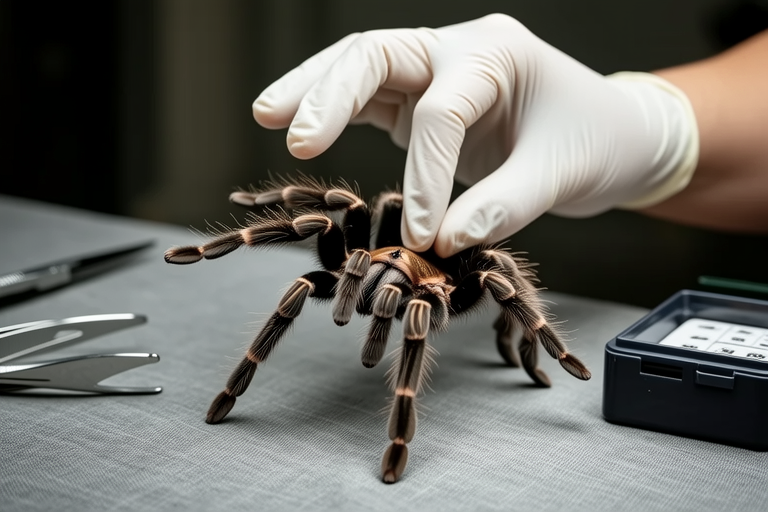
How to Safely Handle a Tarantula Without Getting Bit
Tarantulas are fascinating creatures that can make interesting pets. Handling them requires caution and respect for their space. This guide will provide you with the necessary steps to safely handle a tarantula without getting bit.
Understanding Tarantula Behavior
Tarantulas are generally docile creatures but can become defensive if they feel threatened or provoked. Understanding their behavior is crucial in avoiding bites. Tarantulas have several defense mechanisms, including:
- Brachiation: They may wave their front legs as a warning sign.
- Hair Release: Some species release urticating hairs from their abdomen which can cause irritation.
- Biting: A last resort when they feel cornered.
It’s important to give your tarantula ample time to acclimate to its surroundings and to always approach it slowly and calmly.
Necessary Equipment
Before handling your tarantula, ensure you have the following equipment:
- Gloves: Use thick, non-slip gloves to protect yourself from potential bites.
- Container: Have a secure container ready to place your tarantula in after handling.
- Handling Stick: A stick can be used to gently coax your tarantula into the container.
- Eye Protection: Wear glasses or goggles to protect against urticating hairs.
Ensure all equipment is clean and free of any chemicals that could harm your tarantula.
Creating a Calm Environment
A calm environment is essential for both you and your tarantula. Avoid handling your tarantula when you are stressed or in a rush. Choose a quiet area with minimal distractions. Ensure the temperature and humidity levels are appropriate for your tarantula’s species.
Steps for Proper Handling Techniques
- Prepare Your Workspace: Clear your workspace of any unnecessary items. Ensure it is clean and free of any substances that could harm your tarantula.
- Wear Protective Gear: Put on your gloves and eye protection. This will protect you from any potential bites or urticating hairs.
- Approach Slowly: Approach your tarantula slowly and calmly. Avoid sudden movements that could startle it.
- Use a Handling Stick: Gently coax your tarantula onto the handling stick. Do not attempt to grab or pick up your tarantula with your hands.
- Transfer to Container: Once your tarantula is on the handling stick, carefully transfer it to the container. Secure the lid once the tarantula is inside.
- Handle with Care: If you need to handle your tarantula directly, do so with extreme care. Keep your hands still and avoid making any sudden movements.
What to Do if Bitten
If you are bitten by a tarantula, remain calm. Most tarantula bites are harmless and only cause mild pain and swelling. Clean the bite area with soap and water. Apply a cold compress to reduce swelling. Monitor the bite for any signs of infection such as redness, warmth, or pus. Seek medical attention if you experience severe pain, swelling, or other concerning symptoms.
Safety Precautions
Handling a tarantula requires careful attention to safety precautions:
- Respect Their Space: Always respect your tarantula’s space and avoid handling it unnecessarily.
- Wash Hands: Wash your hands thoroughly before and after handling your tarantula.
- Avoid Sudden Movements: Avoid sudden movements that could startle your tarantula.
- Keep Children and Pets Away: Keep children and pets away from your tarantula to prevent accidents.
- Use Proper Equipment: Always use proper equipment when handling your tarantula.
Caring for Your Tarantula
In addition to handling your tarantula safely, it’s important to provide proper care. Ensure your tarantula has a suitable habitat with appropriate temperature, humidity, and lighting. Feed your tarantula appropriately and provide fresh water daily. Regularly clean your tarantula’s enclosure to maintain hygiene.
Conclusion
Handling a tarantula can be a rewarding experience when done safely and respectfully. By understanding your tarantula’s behavior, using proper equipment, and following handling techniques, you can minimize the risk of bites. Always prioritize your tarantula’s well-being and provide proper care to ensure a long and healthy life for your pet.