
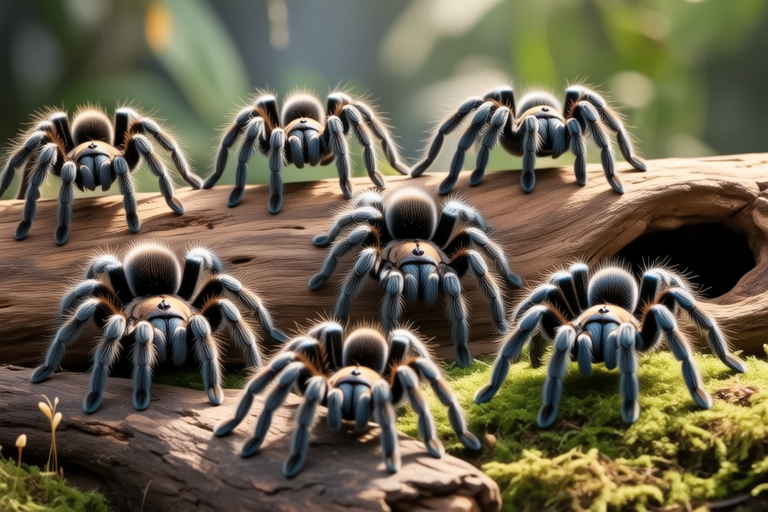
Top 10 Myths Busted About Keeping Tarantulas As Companions
Tarantulas are fascinating creatures that have captured the interest of many animal enthusiasts. These large, hairy spiders are often misunderstood, leading to a variety of myths surrounding their care and temperament. In this article, we will explore ten common myths about keeping tarantulas as companions and provide evidence to debunk them, offering practical advice for those considering these unique pets.
Myth 1: Tarantulas Are Dangerous and Aggressive
The Myth: Many people believe that tarantulas are aggressive and dangerous, capable of delivering venomous bites that can cause severe harm.
The Reality: While tarantulas can bite if they feel threatened, their venom is generally harmless to humans. Most species’ venom is comparable to a bee sting, causing mild discomfort at worst. Tarantulas are not naturally aggressive; they prefer to avoid confrontation.
Practical Advice: Handle your tarantula gently and respect its space. Use feeding tongs when necessary to minimize stress on the spider. Always wash your hands before and after handling to prevent any potential allergic reactions.
Myth 2: Tarantulas Require Constant Attention
The Myth: Some people think that tarantulas need constant interaction and attention, similar to dogs or cats.
The Reality: Tarantulas are solitary animals that thrive in environments where they can rest undisturbed. They do not require frequent handling or playtime.
Practical Advice: Observe your tarantula from a distance through the enclosure’s glass. Limit handling to essential tasks like cleaning and feeding. This minimal interaction ensures the tarantula remains stress-free.
Myth 3: Tarantulas Need Specialized Diet
The Myth: There is a belief that tarantulas require a specialized diet that includes live insects only.
The Reality: While live insects are preferred, frozen or canned insects can also be used. The key is to ensure a varied diet rich in nutrients.
Practical Advice: Feed your tarantula appropriately sized crickets, mealworms, or other insects. Dust the food with calcium and vitamin supplements to support overall health. Consult a veterinarian specializing in exotic pets for specific dietary recommendations.
Myth 4: Tarantulas Are Dirty and Unhygienic Pets
The Myth: Some people assume that tarantulas are dirty and carry diseases that can be harmful to humans.
The Reality: Tarantulas are clean animals that spend most of their time grooming themselves. Their enclosures, if maintained properly, pose no greater hygiene risk than any other pet’s habitat.
Practical Advice: Clean the enclosure regularly, removing uneaten prey and waste. Provide fresh substrate and water as needed. Wash your hands thoroughly after handling the tarantula or its enclosure.
Myth 5: Tarantulas Can Only Live in Hot Climates
The Myth: It is commonly thought that tarantulas can only survive in hot, tropical climates.
The Reality: Different tarantula species have varying temperature and humidity requirements. Some species thrive in cooler, drier conditions, while others prefer warmer, more humid environments.
Practical Advice: Research the specific needs of the tarantula species you plan to keep. Maintain the correct temperature and humidity levels using heating pads, thermometers, hygrometers, and proper ventilation.
Myth 6: Tarantulas Cannot Be Handled
The Myth: There is a misconception that all tarantulas cannot be handled due to their fragile nature.
The Reality: While some species are more delicate than others, many tarantulas can be safely handled with proper technique. Handling can be a positive experience for both the owner and the tarantula.
Practical Advice: Learn the handling techniques appropriate for your specific tarantula species. Support the spider’s body correctly, avoiding sudden movements that could startle it. Always supervise children when handling tarantulas.
Myth 7: Tarantulas Do Not Make Good First Pets
The Myth: Some believe that tarantulas are too difficult for beginners and should only be kept by experienced owners.
The Reality: With the right information and preparation, tarantulas can make excellent first pets for those interested in low-maintenance, fascinating creatures.
Practical Advice: Choose a beginner-friendly species, such as the Chilean rose tarantula or Mexican redknee tarantula. Join online forums or local clubs to connect with experienced tarantula owners who can offer guidance and support.
Myth 8: Tarantulas Are Nocturnal and Do Not Engage During the Day
The Myth: It is widely believed that tarantulas are strictly nocturnal and do not engage during the day.
The Reality: While tarantulas are primarily active at night, they may still exhibit behaviors during the day, especially if they feel secure in their environment.
Practical Advice: Provide a well-ventilated enclosure with a hiding spot and a shallow water dish. Place the enclosure in a quiet area away from direct sunlight or drafts. Observe your tarantula’s activity patterns to understand its preferences.
Myth 9: Tarantulas Are Short-Lived Pets
The Myth: Many people think that tarantulas have a very short lifespan, making them unsuitable as long-term companions.
The Reality: Tarantulas can live for several years, with some species living up to 20 years or more. Their longevity makes them ideal companions for those looking for a long-term commitment.
Practical Advice: Provide consistent care, including a healthy diet, appropriate housing, and regular health checks. Consult a veterinarian if you notice any changes in behavior or physical condition.
Myth 10: Tarantulas Are Difficult to Breed
The Myth: There is a perception that breeding tarantulas is complicated and requires specialized knowledge.
The Reality: While breeding tarantulas does require careful planning and expertise, it is possible for experienced owners to successfully breed them under the right conditions.
Practical Advice: If you are interested in breeding, consult with experts in the field. Understand the mating process, the care required for egg sacs, and the rearing of spiderlings. Be prepared for the commitment involved in raising multiple generations of tarantulas.
Conclusion: Embracing Tarantulas as Rewarding Companions
In conclusion, tarantulas are captivating and rewarding pets that deserve to be better understood. By dispelling common myths and providing accurate information, we hope to encourage responsible pet ownership. Tarantulas, with their unique characteristics and relatively low maintenance, can bring joy and fascination to both novice and experienced pet owners alike. Remember to choose the right species, provide proper care, and enjoy the peaceful companionship of these remarkable arachnids.