
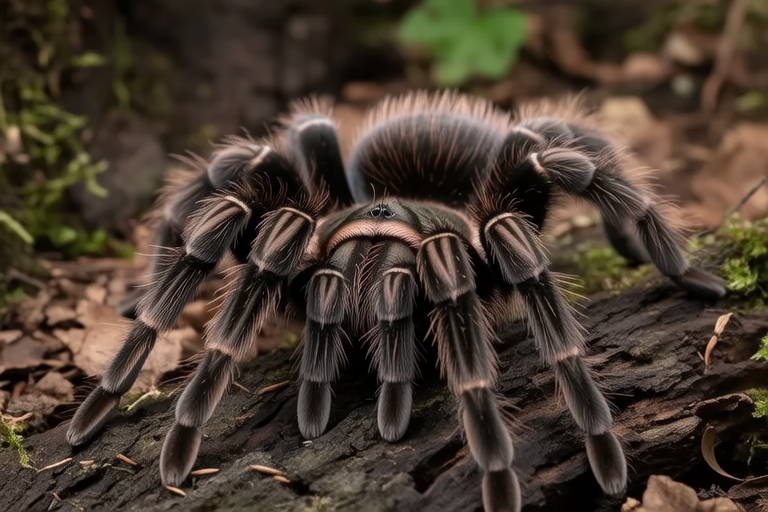
Meet the Creepy Yet Captivating World of Tarantulas
Tarantulas, those large, hairy spiders, often inspire fear and fascination in equal measure. These arachnids, belonging to the family Theraphosidae, can grow impressively large, with some species reaching up to 10 inches in leg span. Their appearance is both striking and intimidating, with bodies covered in dense, velvety hairs that give them a distinct look. Despite their ominous reputation, tarantulas are not as dangerous as they seem. Many people believe tarantulas are aggressive and venomous, but this is largely a misconception. While their bite can be painful, it is rarely life-threatening to humans.
Habitats Across the Globe
Tarantulas inhabit a wide range of environments, from deserts to rainforests, showcasing remarkable adaptability. They are found across North, Central, and South America, Africa, and parts of Asia. Each environment shapes the tarantula’s behavior and physiology, allowing them to thrive in diverse conditions. For instance, desert-dwelling tarantulas are nocturnal, emerging only after dark to avoid the harsh daytime temperatures. In contrast, tropical forest tarantulas may be more active during the day, benefiting from the cooler temperatures and higher humidity.
Anatomy: A Marvel of Evolution
The anatomy of a tarantula is a marvel of evolution. With their eight eyes, they possess excellent night vision, though their sight is not particularly sharp. Instead, they rely heavily on their other senses, such as vibrations and touch. Their legs are not just for walking; they are also covered in tiny sensory hairs that help detect prey and potential threats. The fangs of a tarantula are formidable, capable of delivering a venomous bite, though this is primarily used for subduing prey rather than defense against larger animals.
Unique Hunting Techniques and Diet
Tarantulas are ambush predators, lying in wait for unsuspecting prey. Once an insect or small animal comes within reach, the tarantula strikes with lightning speed, injecting venom through its fangs. This venom paralyzes the prey, making it easier for the tarantula to consume. After the prey is subdued, the tarantula uses its digestive juices to liquefy the insides of its victim, then sucks out the contents. Their diet typically consists of insects, but some larger species have been known to take down small vertebrates like lizards and mice.
Tarantula Care for Enthusiasts
For those interested in keeping tarantulas as pets, proper care is essential. Housing a tarantula requires a terrarium with appropriate substrate, temperature, and humidity levels. Most tarantulas prefer a warm, humid environment, so providing a heat source and maintaining high humidity is crucial. Feeding them a diet of crickets, mealworms, and other insects ensures they receive the necessary nutrients. Handling tarantulas should be done with care, as they can become stressed and may bite if provoked.
Housing
A well-designed terrarium is key to keeping your tarantula healthy and happy. The terrarium should be spacious enough to allow the tarantula to move freely, with a secure lid to prevent escapes. The substrate should be at least three inches deep, made of coconut fiber or bark chips, which helps maintain the required humidity levels. Additionally, provide hiding spots like cork bark or half logs to mimic natural shelters.
Feeding
Feeding a tarantula is relatively straightforward. Offer one appropriately sized insect every week or two, depending on the species. Crickets are a popular choice, but you can also feed mealworms, dubia roaches, or even small pinky mice for larger species. It’s important to gut-load the feeder insects with nutritious food before offering them to your tarantula to ensure optimal health.
Handling
Handling a tarantula should be approached with caution. Always wash your hands before and after handling to remove any odors that might stress the spider. Use a long-handled net or tweezers to gently guide the tarantula into a holding container. Avoid handling young tarantulas or species known for being skittish, as they may become stressed easily.
The Importance of Tarantulas in Ecosystems
Tarantulas play a vital role in their ecosystems, serving as both predator and prey. By controlling insect populations, they help maintain ecological balance. Furthermore, they are an important food source for many animals, including birds, snakes, and mammals. Ongoing research into tarantulas focuses on understanding their biology, behavior, and conservation needs. Scientists are also exploring the potential medical applications of tarantula venom, which could lead to breakthroughs in pain management and neurology.
Conclusion
Tarantulas are more than just creepy crawlers; they are fascinating creatures with complex behaviors and adaptations. While their appearance may be off-putting to some, their unique features and ecological significance make them worthy of admiration. Whether you’re a seasoned arachnid enthusiast or simply curious about the world of spiders, tarantulas offer a captivating glimpse into the wonders of nature. By learning more about these misunderstood creatures, we can foster a greater appreciation for the diversity of life on our planet.