
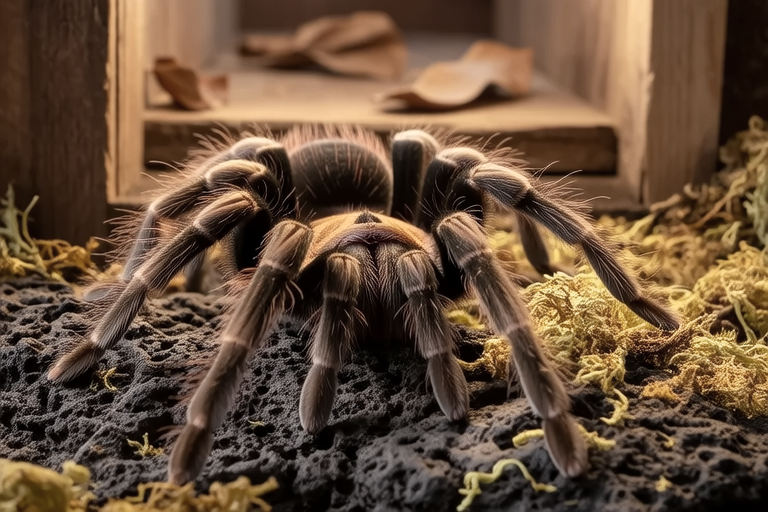
The Secret Life of Tarantulas: What Every Arachnid Owner Should Know
Tarantulas are fascinating creatures that have captured the imagination of many. Their size, unique appearance, and intriguing behaviors make them popular pets among arachnid enthusiasts. However, owning a tarantula requires careful consideration and understanding of their specific needs. This article will guide you through the secret life of tarantulas, providing essential knowledge for both potential and current owners.
Understanding Tarantula Behavior
Tarantulas exhibit a range of behaviors that can be both captivating and surprising. They are generally solitary animals, preferring to live alone. These spiders are mostly nocturnal, meaning they are most active during the night. During the day, they often hide in burrows or other dark, secure places. Their hunting techniques are particularly interesting; tarantulas are ambush predators, lying in wait for prey to come close before striking with lightning speed.
Communication among tarantulas is another intriguing aspect. While they don’t communicate in the same way as social animals like mammals, they do use vibrations to signal danger or attract mates. Males, for instance, perform elaborate dances to impress females during mating season.
Habitat Preferences
Creating an appropriate habitat for your tarantula is crucial for its well-being. Tarantulas are native to a variety of environments, from deserts to rainforests, which means their habitat requirements can vary significantly. Generally, tarantulas prefer warm, humid conditions. A glass terrarium with a secure lid is ideal for housing these spiders. The substrate at the bottom should be deep enough to allow digging and should mimic the natural environment of the species you’re keeping.
It’s important to provide hiding spots such as cork bark, hollow logs, or plastic plants. These not only serve as shelter but also help reduce stress by giving the tarantula a sense of security. Additionally, maintaining the right temperature and humidity levels is vital. For most species, temperatures between 75°F and 85°F (24°C to 29°C) are suitable, with humidity levels ranging from 60% to 80%.
Dietary Needs
Feeding a tarantula correctly is key to its health and longevity. In the wild, tarantulas feed on a variety of insects and small vertebrates. As pets, they typically eat crickets, mealworms, and dubia roaches. The size of the prey should be appropriate for the tarantula, usually no larger than half the width of its abdomen.
Young tarantulas may need to eat more frequently, perhaps once every few days, while adults might only require feeding every week or two. It’s important not to overfeed, as tarantulas can become obese if fed too much. Always remove uneaten prey after a reasonable amount of time to prevent stress or injury to the tarantula.
Common Health Issues
Like any pet, tarantulas can face health issues. One of the most common problems is dehydration, which can occur if the humidity levels in their enclosure are too low. Signs of dehydration include lethargy, loss of appetite, and a lack of activity. Ensuring proper hydration is crucial, so consider misting the enclosure regularly or providing a shallow water dish.
Molting is a significant part of a tarantula’s life cycle and can sometimes lead to complications. During molting, the tarantula sheds its exoskeleton, and it’s important for the new skin to harden properly. Disturbing a tarantula during this process can result in injuries. Owners should avoid handling the spider until it has fully recovered.
Tips for Proper Care
Caring for a tarantula involves more than just providing food and a clean environment. Here are some tips to ensure your tarantula thrives:
- Handling: Tarantulas can be handled gently, but it’s best to limit this interaction. Over-handling can cause stress and potentially harm the spider.
- Enclosure Cleaning: Regularly clean the enclosure to prevent the buildup of waste and bacteria. Use a soft brush and mild detergent to clean the tank.
- Monitoring: Keep an eye on your tarantula’s behavior and physical condition. Any sudden changes could indicate a problem.
- Research: Different species have different care requirements. Research thoroughly about the specific species you own to ensure you meet all its needs.
Unique Aspects of Tarantula Life Cycles
Tarantulas have complex life cycles that are fascinating to observe. After hatching, baby tarantulas, known as spiderlings, are incredibly tiny and vulnerable. They grow rapidly, molting several times as they increase in size. Each molt brings them closer to adulthood, where they reach sexual maturity.
The life expectancy of a tarantula can vary widely depending on the species, but most live between 10 to 30 years. Females tend to live longer than males due to their role in reproduction. Male tarantulas typically die shortly after mating, while females can live for decades.
Interactions Within Their Environments
In their natural habitats, tarantulas play important roles in ecosystems. They control insect populations and are prey for larger animals. Despite their fearsome reputation, tarantulas are generally shy and non-aggressive towards humans. They will bite only if threatened, and their venom is usually not dangerous to humans, causing localized pain similar to a bee sting.
Understanding how tarantulas interact with their environments can deepen your appreciation for these remarkable creatures. Whether you’re a seasoned owner or considering getting a tarantula as a pet, learning about their behavior, habitat, diet, and health needs will enrich your experience and help ensure your pet’s happiness and well-being.