
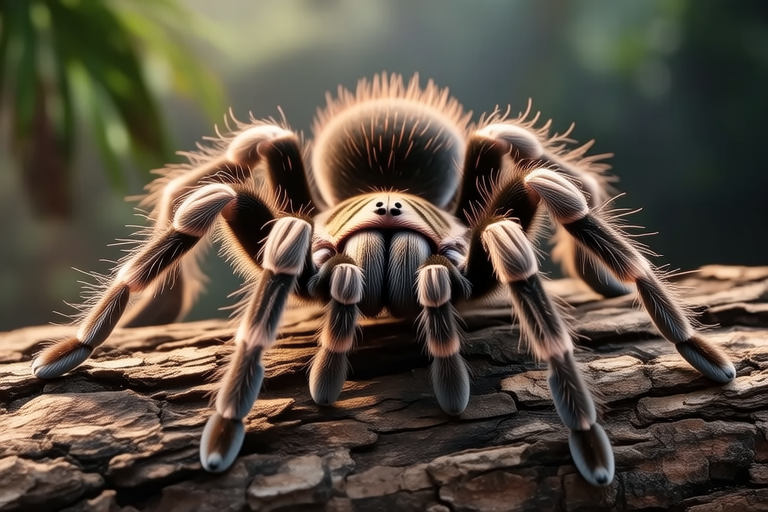
From Fear to Admiration: How Keeping a Tarantula Changed My Perspective on Wildlife
When I first thought about keeping a tarantula as a pet, my mind was filled with fear and misconceptions. The mere mention of a tarantula conjured images of terrifying, hair-covered spiders with fangs dripping venom, capable of delivering a deadly bite. These fears were compounded by stories of tarantulas being aggressive, unpredictable, and dangerous. In popular culture, tarantulas were often portrayed as menacing creatures, which only reinforced these negative stereotypes.
However, over time, my curiosity got the better of me. I began to question whether my fear was justified or if it was merely based on unfounded assumptions. This curiosity led me to undertake extensive research about tarantulas. I discovered that tarantulas are actually fascinating arachnids with unique behaviors and characteristics. They come in a variety of species, each with its own temperament, coloration, and habitat preferences. Some tarantulas are even known for their docile nature and can be quite gentle when handled properly. With this newfound knowledge, I decided to take a leap of faith and acquire a tarantula as a pet.
The Decision-Making Process
The decision to bring a tarantula into my home was not made lightly. It required careful consideration and thorough preparation. First, I needed to choose the right species. After much deliberation, I settled on the Chilean rose tarantula (Grammostola rosea). This species is well-known for its docile temperament and ease of care, making it an ideal choice for a beginner spider keeper. Additionally, I learned that Chilean rose tarantulas have a beautiful pinkish hue, adding aesthetic appeal to their already intriguing appearance.
Once I had selected the species, I focused on creating an appropriate habitat. A tarantula’s enclosure must mimic its natural environment as closely as possible. For the Chilean rose tarantula, this meant providing a warm, humid environment with plenty of hiding spots. I purchased a terrarium specifically designed for tarantulas, complete with a heating pad to maintain optimal temperature and a water dish for humidity. I also added substrate such as coconut fiber and various hiding places like cork bark and silk plants to ensure the tarantula felt secure and comfortable.
Finally, I educated myself on proper handling techniques. Handling a tarantula requires patience, gentleness, and respect for the animal’s space. I practiced approaching the tarantula slowly and calmly, allowing it to become accustomed to my presence before attempting any interaction. By taking these precautions, I hoped to minimize stress for both the tarantula and myself.
Daily Care and Observations
Once my tarantula, affectionately named Rosie, arrived, I was eager to begin our daily routine. Caring for Rosie involved feeding her appropriately sized crickets and maintaining the cleanliness of her enclosure. I quickly realized that tarantulas are surprisingly low-maintenance pets compared to many other animals. They do not require frequent feeding, and their enclosures are easy to clean. This simplicity allowed me to focus more on observing Rosie’s behavior and learning about her unique habits.
One of the most fascinating aspects of owning a tarantula is watching how they interact with their environment. Tarantulas are solitary creatures by nature, spending most of their time in their burrows or hiding spots. However, when they emerge, they exhibit a range of interesting behaviors. For example, Rosie would often sit near the entrance of her burrow, waiting for prey to pass by. She would then pounce with incredible speed and precision, capturing the cricket with her powerful front legs. Watching this hunting behavior was both thrilling and educational, offering insight into the natural instincts of these amazing creatures.
Another aspect of caring for Rosie that changed my perspective was understanding her molting process. Molting is a crucial part of a tarantula’s life cycle, during which they shed their exoskeleton to grow. During this time, tarantulas become very vulnerable and may stop eating or interacting. It was important for me to provide a calm environment and avoid disturbing Rosie while she molted. Witnessing this transformation firsthand helped me appreciate the resilience and adaptability of tarantulas, as well as the delicate balance of their biology.
Moments of Realization
Throughout my journey with Rosie, there were several moments that shifted my perspective from fear to admiration. One such moment occurred during a particularly stressful day at work. Upon returning home, I found Rosie sitting quietly in her enclosure, seemingly unaware of the chaos outside. Her calm demeanor reminded me of the importance of finding peace in the midst of turmoil. In that instant, I realized that tarantulas, despite their intimidating appearance, possess a quiet strength and grace that I could learn from.
Another pivotal moment came when I observed Rosie’s maternal instincts. Female tarantulas, like Rosie, are known to fiercely protect their eggs and young. One day, I noticed Rosie guarding her egg sac with unwavering dedication. She remained motionless, her posture defensive yet protective. This display of maternal love and commitment was unexpected and deeply moving. It challenged my preconceived notions of tarantulas as cold-blooded killers and instead revealed them as complex beings with emotions and responsibilities.
Broader Implications
Owning a tarantula has not only broadened my understanding of these remarkable creatures but has also deepened my appreciation for wildlife conservation. As I delved deeper into the world of tarantulas, I learned about the various threats they face in the wild, including habitat destruction, poaching, and climate change. Many tarantula species are endangered due to human activities, and it became clear that preserving their habitats is crucial for their survival.
This realization inspired me to get involved in conservation efforts. I joined local environmental organizations and participated in community clean-up events aimed at protecting natural habitats. I also became an advocate for responsible pet ownership, encouraging others to adopt exotic pets ethically and consider the impact of their choices on wildlife populations. By sharing my experiences with Rosie, I hope to inspire others to challenge their fears and misconceptions about wildlife, fostering a greater sense of empathy and responsibility towards the natural world.
Personal Growth
Beyond the realm of wildlife conservation, my relationship with Rosie has contributed significantly to my personal growth. Caring for a tarantula has taught me valuable lessons about patience, responsibility, and self-reflection. Each day spent with Rosie provided an opportunity to slow down, observe, and appreciate the small wonders of life. It reminded me of the importance of living in the present moment and finding joy in simple pleasures.
Moreover, my journey with Rosie has strengthened my resolve to confront my fears head-on. By overcoming my initial apprehension about tarantulas, I gained confidence in my ability to face challenges and embrace new experiences. This newfound courage has extended beyond the realm of pet ownership, influencing various aspects of my life. I find myself more open to trying new things, exploring unfamiliar territories, and stepping out of my comfort zone.
In conclusion, keeping a tarantula as a pet has been an enriching experience that transformed my perspective on wildlife. From my initial fears and misconceptions to my current admiration and respect, this journey has been marked by moments of realization, personal growth, and a renewed commitment to wildlife conservation. By sharing my story, I hope to inspire others to challenge their fears, embrace the unknown, and foster a deeper connection with the natural world.